Welcome to your Upstate SC Real Estate Resource!

This blog will offer a mix of our newest listings to come onto the market as well as some client testimonials. Here you will also find some useful resources on buying and selling a home in the Upstate of South Carolina and Western North Carolina. 

If you see a home that looks interesting or if you have any questions regarding all aspects of the Real Estate market please feel free to contact us! - Peggy


Sept. 11, 2023

Real Estate Investment 101: A beginner's guide to investing in property

What is Real Estate Investment?
Real Estate Investment

Real estate investment is the process of purchasing property with the intention of earning a return on your investment, either through rental income, the future resale of the property, or both.

There are many different types of real estate investments, but they can generally be divided into two categories: residential and commercial. Residential real estate investing involves properties such as single-family homes, duplexes, and apartments. Commercial real estate investing, on the other hand, involves properties such as office buildings, retail centers, warehouses, and industrial parks.

The first step in becoming a real estate investor is to do your research. There are a number of resources available that can help you learn about the different types of investments and the risks and rewards associated with each. Once you have a good understanding of the basics, you can begin to look for properties that fit your investment criteria.

When considering a potential investment property, there are several key factors you will need to take into account: location, price, condition of the property, and expected rent or sale price. Once you have found a few properties that meet your criteria, it is important to visit them in person to get a better feel for the neighborhood and the condition of the property. After all, no two investments are exactly alike and it is important to choose an investment that is right for you.

Benefits of Investing in Real Estate

When it comes to investing, there are many different options available. Real estate is just one of the many possible investments that you can choose from. However, there are several reasons why real estate is a good investment option, especially for beginners.

One of the main benefits of investing in real estate is that it is a relatively safe investment. Unlike stocks or other securities, which can fluctuate greatly in value, real estate tends to be more stable. This stability makes it easier to predict how your investment will perform over time, which can help you make better financial decisions.

Another benefit of investing in real estate is that it offers the potential for high returns. While the exact amount of return you can expect to receive will depend on a number of factors, such as the location and type of property you invest in, you could see significant profits if you make wise choices.

Investing in real estate can provide you with a number of tax benefits. In many cases, you can deduct expenses related to your investment property, such as mortgage interest or property taxes. This can help reduce the overall cost of your investment and increase your profits even further.

Types of Real Estate Investments

There are numerous types of real estate investments, each with its own set of benefits and risks. The most common types of real estate investments include residential properties, commercial properties, and land.

Residential property investment refers to the purchase and ownership of a home or multiple homes that are used for living purposes. This type of investment can provide a steady stream of rental income and can appreciate in value over time. However, there is also the risk that the property may not retain its value or may even decline in value.

Commercial property investment involves the purchase and ownership of office buildings, retail space, warehouses, or other types of commercial buildings. These types of properties can generate income through rent paid by tenants. They may also appreciate in value over time if the area around them becomes more developed. However, there is also the risk that the property may not be able to attract tenants or may decline in value.

Land investment involves the purchase and ownership of undeveloped land. This type of investment can appreciate in value over time if the land is located in an area that becomes more developed. However, there is also the risk that the land may never be developed or may decline in value if it is located in an area that does not experience growth.

How to Get Started in Real Estate Investing

If you're thinking of getting started in real estate investing, there are a few things you should know. Here's a beginner's guide to investing in property:

1. Do your research. Before you start investing in real estate, it's important to do your homework and learn as much as you can about the business. There are a lot of different aspects to consider, from finding the right properties to understanding the legal and financial aspects of the business.

2. Find the right team. A successful real estate investment depends on having a great team in place. You'll need a good Realtor, an experienced loan officer, and a reliable property manager.

3. Have realistic expectations. It's important to remember that real estate investing is not a get-rich-quick scheme. It takes time, patience, and hard work to be successful. Don't expect to make a fortune overnight; instead, focus on building long-term wealth through your investments.

4. Be prepared for bumps in the road. There will inevitably be some challenges along the way when you're investing in real estate. But if you're prepared for them and have a solid plan in place, you'll be able to weather any storm that comes your way.

Common Mistakes to Avoid When Investing in Real Estate

1. Not Doing Your Research

The first and most common mistake that people make when investing in real estate is not doing their research. There are a lot of things to consider when investing in property, such as location, price, property type, and more. It's important to do your research and understand all of these factors before making any investment.

2. Not Having a Plan

Another common mistake is not having a plan. When you're investing in real estate, you need to have a plan for what you're going to do with the property. Are you going to fix it up and sell it? Rent it out? Use it as a vacation home? Knowing what you want to do with the property will help you make better investment decisions.

3. Not Being Patient

Investing in real estate takes time. You won't see results overnight, or even necessarily within a year. It can take several years to see significant returns on your investment. This is why it's important to be patient and not expect immediate results.

4. Not Diversifying Your Investments

Diversification is key when investing in anything, and real estate is no different. Don't put all of your eggs in one basket by investing only in one property or one type of property. Spread your investments out so that you're less likely to lose everything if one investment doesn't pan out.

Strategies for Successful Investing

There are a number of strategies that can be employed in order to be successful when investing in real estate. Perhaps the most important thing to keep in mind is that, like any investment, there is always some element of risk involved. However, by taking a few key steps and doing your homework, you can help minimize this risk and give yourself a better chance at success.

One key strategy is to work with a reputable and experienced real estate agent or broker. They will have access to market data and information on properties that you may not be able to find on your own. They can also offer guidance and advice on making an offer, negotiating prices, and other important aspects of the purchase process.

Another strategy is to focus on a specific type of property or market niche that you feel comfortable with. This could be anything from fixer-uppers in up-and-coming neighborhoods to luxury condos downtown. By narrowing your focus, you can become more knowledgeable about the types of properties that fit your investment goals and criteria.

It's important to have realistic expectations when investing in real estate. Remember that even the most well-planned investments can sometimes take longer than anticipated to generate a return. Patience and perseverance are critical for any investor, so don't get discouraged if your first few deals don't turn out exactly as planned.

Alternatives to Traditional Real Estate Investing

There are many alternatives to traditional real estate investing, such as REITs, private equity, and crowdfunding.

REITs offer investors the ability to invest in a diversified portfolio of properties without the hassle of being a landlord. Private equity firms typically invest in larger, more established properties, and crowdfunding platforms allow individuals to pool their resources to invest in real estate projects.

Conclusion

Investing in real estate can be a great way to build wealth and create long-term financial security. With the right knowledge, resources, and guidance, you too can become a successful real estate investor. We hope that our guide has provided you with enough information to get started on your journey as an informed property investor and help you make educated decisions along the way. So what are you waiting for? Start exploring our Upstate SC site today!

 

Sept. 9, 2023

The Impact of Technology: How AI, VR, and drones are changing property tours and listings.

Introduction to Technology and Real Estate

Technology and Real Estate

Technology has had a profound impact on the real estate industry, from the way we search for homes to the way we finance them. And it's only going to become more prevalent in the coming years. Here's a look at some of the ways technology is changing the landscape of real estate:

Artificial intelligence is being used more and more to help with the home-buying process. Services like Redfin and Trulia use AI to help match buyers with homes that fit their needs and budget.

Virtual reality is changing the way we experience properties. Buyers can now take virtual tours of homes before ever stepping foot inside them. Realtors are also using VR to give potential buyers a realistic idea of what a property looks like, even if it's not finished yet.

Drones are becoming an increasingly popular tool for real estate professionals. They can be used to take aerial photos and videos of properties, giving potential buyers a unique perspective.

The Impact of Artificial Intelligence (AI) in Real Estate

The use of artificial intelligence (AI) in real estate is becoming more prevalent as the technology becomes more advanced and affordable. AI can be used for a variety of tasks in the real estate industry, from automating property tours to creating 3D renders of homes for sale.

One of the most common ways that AI is being used in real estate is through the use of virtual reality (VR). VR allows potential buyers to take a virtual tour of a property without having to physically be there. This can be especially helpful for out-of-town buyers or those who are considering a move to a new city.

Another way that AI is being used in real estate is through the use of drones. Drones can be used to take aerial photos and videos of properties, which can give potential buyers a better idea of the layout and location of a home.

The Impact of Virtual Reality (VR) in Real Estate

As the real estate industry becomes more and more competitive, agents and brokers are always looking for new ways to give their clients an edge. One of the latest technologies to make its way into the industry is virtual reality (VR).

Using VR, potential homebuyers can take a virtual tour of a property from the comfort of their own home. This is especially helpful for those who are relocating to a new city or town and aren't able to visit the area in person before making a purchase.

In addition to helping buyers get a better sense of a property, VR can also be used by sellers to give potential buyers a realistic idea of what their home could look like after making some renovations. By being able to see the property in its "after" state, buyers can get a better understanding of the value of the home and be more likely to make an offer.

As VR technology continues to develop, it's likely that we'll see even more uses for it in the real estate industry. For now, it's definitely something worth considering if you're looking for a new way to market your listings or give your buyers an extra edge.

The Impact of Drone Technology on Real Estate

As the real estate industry evolves, so too does the technology used to market and sell properties. This is most apparent when it comes to how potential buyers are able to view listings and take virtual tours. In the past, interested buyers would have to physically visit a property in order to get a sense of what it looks like and how it is laid out. However, with the advent of drone technology, sellers are now able to provide buyers with a much more immersive experience that allows them to see a property from all angles, both inside and out.

Not only does this make it easier for buyers to find their perfect home without having to leave their living room, but it also gives them a better understanding of what they are getting into before making such a large purchase. For sellers, this means being able to market their property in a whole new way and reach a larger audience than ever before. It's safe to say that drone technology is changing the real estate landscape for good and we can only expect even more innovative uses for this technology in the future.

Benefits and Challenges of Using Technology for Property Tours and Listings

Virtual reality (VR), artificial intelligence (AI), and drones are changing the way people search for and view properties. These technologies offer new ways for agents to showcase listings and provide buyers with an immersive experience. However, they also come with some challenges.

Benefits:

1. VR allows buyers to view properties from anywhere in the world.

2. AI can help agents better understand buyer preferences and target their searches.

3. Drones can provide aerial views of properties, making it easier to identify features and potential problems.

4. These technologies can save time and money by reducing the need for travel.

Challenges:

1. The cost of VR equipment can be prohibitive for some agents.

2. AI is still in its early stages of development and may not be able to interpret data in all cases accurately.

3. There are regulations around drone use that must be followed, which can limit where and when they can be used. 

4. Some buyers may prefer a more traditional approach to searching for a property and working with an agent.

Conclusion

As technology continues to become increasingly advanced, industries are leveraging it to make their processes more efficient. The real estate industry is no exception, using AI, VR, and drones in property tours and listings. These technologies can provide buyers with a unique experience that allows them to virtually walk around homes, get up close looks at properties from different angles, and explore neighborhoods without ever leaving the comfort of their own homes. With these tools becoming more affordable and accessible, it’s likely that they will continue to be used by realtors in the future as well.


Sept. 1, 2023

Downtown Living: The Appeal of Urban Real Estate in Spartanburg

Living in Downtown Spartanburg SC

Spartanburg, South Carolina is a vibrant and bustling city that offers a unique blend of modern amenities and southern charm. In recent years, the city has experienced a revitalization of its downtown area, making it an attractive destination for those seeking a more urban lifestyle. With its historic buildings, trendy restaurants, and lively entertainment options, downtown Spartanburg has become the place to be for young professionals, families, and retirees alike.

One of the key factors that make downtown Spartanburg so appealing is its convenient location. Situated at the intersection of three major highways (I-26, I-85, and I-585), residents have easy access to travel both within the city and beyond. Additionally, the city's public transportation system provides efficient options for those who prefer not to drive.

Downtown living in Spartanburg also offers high walkability scores due to its compact layout. Residents can easily walk or bike to work, run errands or meet up with friends without having to rely on cars. This not only promotes a healthier lifestyle but also reduces carbon footprint - something that has become increasingly important in today's world.

Historic Charm Combined with Modern Amenities

One of the most appealing features of downtown living in Spartanburg is the perfect blend of old and new architecture. Many historic buildings have been restored into modern loft apartments while still maintaining their original character. These charming homes offer residents a unique sense of history and culture.

At the same time, downtown Spartanburg is home to new developments featuring luxury apartments and condominiums. These modern living spaces come equipped with all the amenities one could ask for, including fitness centers, rooftop pools, and communal green spaces.

Entertainment and Dining Options

Downtown Spartanburg boasts a vibrant nightlife scene with plenty of options for entertainment. It is home to several theaters, including the iconic Chapman Cultural Center, which hosts a variety of events ranging from live music performances to art exhibitions. The city also hosts regular outdoor concerts, festivals, and farmers' markets throughout the year.

Food lovers will find no shortage of dining options in downtown Spartanburg. From upscale restaurants to casual eateries, there is something for every taste bud. The city has also seen a recent surge in locally-owned craft breweries and coffee shops that have quickly become popular hangouts for residents.

Affordability

Compared to other major cities in South Carolina such as Charleston or Greenville, downtown living in Spartanburg remains relatively affordable. The cost of living is lower than the national average, making it an attractive option for those looking to save money while still enjoying all the benefits of city life.

Benefits of Living in an Urban Area

Living in an urban area, such as downtown Spartanburg, has become increasingly popular in recent years. More and more people are choosing to make the move from the suburbs or rural areas to the bustling city center. This trend can be attributed to a variety of factors, including convenience, cultural opportunities, and a sense of community. In this section, we will explore some of the top benefits of living in an urban area.

1. Convenience: One of the main draws for people living in urban areas is convenience. Everything you need is within walking distance or a short commute away. From grocery stores and pharmacies to restaurants and entertainment options, you can find it all just steps from your home. This eliminates long commutes and saves time on daily tasks, allowing for more free time to be spent doing things you enjoy.

2. Cultural Opportunities: Urban areas are known for their diverse communities and rich culture. Living in a city like Spartanburg means being surrounded by people from different backgrounds and experiences, creating a vibrant atmosphere that celebrates diversity. In addition, there are often numerous cultural events such as festivals, concerts, art exhibits, and theater performances happening throughout the year that residents can easily access.

3. Variety of Housing Options: Another benefit of living in an urban area is the wide range of housing options available. From historic homes with character to modern high-rise apartments with state-of-the-art amenities, there is something for every lifestyle and budget. This variety also allows for more flexibility when it comes to finding your dream home.

4. Public Transportation: In urban areas, public transportation is often a convenient and cost-effective way to get around. This can be a huge benefit for those who don't have a car or prefer not to drive in busy city traffic. With options like buses, subways, and light rail systems, getting from point A to point B is made easy.

5. Job Opportunities: Cities are the hub of economic activity, which means there are usually more job opportunities available compared to rural or suburban areas. Urban areas tend to have a diverse range of industries and companies, offering a variety of jobs in different fields. This can be especially beneficial for recent graduates or those looking for career advancement.

6. Walkability: Many urban areas are designed with pedestrians in mind, making it easy and safe to walk around the city. This not only promotes a healthier lifestyle but also allows residents to explore their neighborhoods and discover new places on foot.

7. Access to Quality Education: Urban areas are home to some of the best schools and universities in the country. This provides students with access to high-quality education at all levels, from preschools to top-ranked universities.

Cultural and Social Opportunities in Downtown Spartanburg

Downtown Spartanburg offers a vibrant and diverse cultural scene, making it an attractive location for those seeking urban living. From art galleries and music venues to community events and festivals, there are plenty of opportunities to immerse yourself in the local culture while living in downtown.

The Chapman Cultural Center is a hub for arts and entertainment in Spartanburg. This multi-purpose facility houses several theaters, galleries, studios, and classrooms that showcase various forms of art, including visual arts, theater performances, dance shows, concerts, and more. The center also hosts regular events such as ArtWalks and Music on Main that bring together artists and musicians from the community.

For history buffs or those interested in learning about the city's past, downtown offers several museums and historic sites to explore. The Spartanburg Regional History Museum features interactive exhibits that tell the story of the city's evolution over time. Visitors can also take a self-guided walking tour through downtown to discover its rich history through its architecture and landmarks.

In addition to traditional cultural institutions, downtown Spartanburg also has a thriving street art scene. Murals can be found throughout the city's streets and alleys showcasing local artists' creativity and adding color to the urban landscape. The annual Seeing Spartanburg event celebrates these murals with guided tours led by artists themselves.

Real Estate Market in Downtown Spartanburg

The real estate market in downtown Spartanburg has experienced a surge of interest and growth in recent years. With its charming historic district, thriving arts scene, and convenient location, it's no wonder that more and more people are choosing to call downtown Spartanburg home.

One of the key factors driving the popularity of urban real estate in Spartanburg is the revitalization efforts that have been taking place in the city over the past decade. The city has invested millions of dollars into improving public spaces, infrastructure, and amenities in downtown to make it a more attractive place for residents. This has led to an increase in property values and a higher demand for properties in the area.

Another appealing aspect of living in downtown Spartanburg is its walkability. The compact layout of the downtown area makes it easy for residents to get around on foot or by bike. This not only promotes a healthier lifestyle but also creates a strong sense of community as people interact with their neighbors while out and about.

In terms of housing options, there is something for everyone in downtown Spartanburg. From spacious loft apartments to cozy single-family homes, this area offers a diverse range of housing choices to suit different preferences and budgets. Many properties also feature historic architecture with modern updates, giving residents both charm and convenience.

Cost Comparison with Suburban or Rural Areas

One of the key factors that draw people towards urban living is its cost-effectiveness when compared to suburban or rural areas. Many people often assume that living in a downtown area would be more expensive, but this is not always the case. There are several ways in which living in an urban area like Spartanburg can actually save you money.

Firstly, let's look at housing costs. While it may seem like homes located in the heart of a city would come with a hefty price tag, this is not always true. In many cases, suburban and rural homes are priced higher due to their larger size and proximity to amenities like schools and shopping centers. On the other hand, urban real estate tends to have smaller-sized properties and offers more affordable options for first-time home buyers or those looking for a lower-maintenance lifestyle.

In addition, cities often have well-developed public transportation systems that make owning a car unnecessary for residents. This can save individuals thousands of dollars each year on car payments, insurance, gas, and maintenance costs. Plus, most downtown areas have walkable neighborhoods with easy access to essential services such as grocery stores and pharmacies.

Another factor to consider when comparing costs between urban and suburban/rural areas is utility bills. Due to their compact nature and shared infrastructure systems, cities tend to have lower utility bills than sprawling suburbs or rural communities.

Is Downtown Living Right for You?

After exploring the various aspects of downtown living in Spartanburg, it's time to ask yourself the question - is this lifestyle right for you? While there are many benefits and advantages to living in the heart of the city, it may not be a suitable choice for everyone.

Downtown living offers many advantages such as easy access to amenities, a vibrant lifestyle, and convenience; however, it also has its drawbacks such as higher costs and potential safety concerns. It's essential to weigh these factors and assess your needs and priorities before making a decision. Ultimately, the right choice for you depends on your lifestyle preferences, budget, and personal circumstances. 


Posted in For Buyers
Sept. 1, 2023

The benefits of purchasing a home in a planned unit development

The benefits of purchasing a home in a planned unit development

Are you tired of the endless search for your dream home, only to be disappointed by cookie-cutter designs and lackluster amenities? Look no further than planned unit developments (PUDs) – a hidden gem in the real estate market that offers a world of benefits. From picturesque neighborhoods to top-notch facilities, purchasing a home in a PUD can be an absolute game-changer for anyone seeking both convenience and luxury. In this blog post, we will delve into the wonderful advantages of choosing a PUD as your next investment, so get ready to explore an exciting new way of living!

What is a planned unit development?

A Planned Unit Development (PUD) is a residential development that is planned, developed, and built as a single unit. It is typically composed of several attached homes, such as townhomes or condominiums, but can also include detached homes. PUDs are often located in close proximity to urban areas, making them convenient for residents who want to live near city amenities but don’t want to live in an apartment or condo.

PUDs offer many benefits to homebuyers, including:

1. Affordability: PUDs are often more affordable than other types of housing developments, such as single-family homes or apartments. This is because PUDs are developed with multiple units in mind, which allows developers to save on land and construction costs.

2. Variety: PUDs offer a variety of floor plans and unit sizes to choose from. This allows homebuyers to find a unit that meets their needs and budget.

3. Amenities: PUDs often come with a variety of amenities, such as swimming pools, fitness centers, and playgrounds. This allows residents to enjoy a resort-like lifestyle without having to leave their community.

4. Maintenance: PUDs typically have lower monthly maintenance fees than other types of housing developments. This is because the costs of maintaining common areas, such as landscaping and snow removal, are shared among all residents of the community.

5. Safety : PUDs often have security systems in place to keep residents safe, as well as neighborhood watch programs.

Advantages of purchasing a home in a planned unit development

Planned unit developments (PUDs) are a type of housing development that offers many advantages over traditional neighborhoods. PUDs are designed to provide residents with a sense of community and to promote an active lifestyle. 

One of the main advantages of purchasing a home in a PUD is the amenities that are typically offered. These can include swimming pools, tennis courts, clubhouse facilities, and green space. PUDs are also usually well-maintained and have strict rules in place to ensure that the community remains an attractive and desirable place to live. 

Another advantage of living in a PUD is the security that is often present. Many PUDs have gated entrances and 24-hour security patrols. This can give residents peace of mind, knowing that their neighborhood is safe and secure. 

PUDs offer a great way to meet new people and make friends. Because these developments are designed for social interaction, residents often get to know their neighbors well. This can create a strong sense of community within the development.

Different types of homes available in a planned unit development

There are a variety of different types of homes available in most planned unit developments, from single family homes to townhouses to apartments. This variety can be appealing to potential homebuyers, as it offers the chance to find a home that perfectly suits their needs and lifestyle. In addition, many planned unit developments offer amenities such as swimming pools, clubhouses, and parks, which can further add to the appeal of these communities.

Tips for finding the right home in a planned unit development

There are a few key things to keep in mind when searching for the right home in a Planned Unit Development (PUD). First, it is important to know what type of amenities and maintenance the PUD offers. Does the community have a pool, clubhouse, and other shared spaces? Are there restrictions on what types of renovations/additions homeowners can make to their units? Knowing what is included in the HOA fees is crucial in order to budget appropriately. 

It is also important to take note of the location of the PUD. Is it close to public transportation, shopping, and other conveniences? What is the surrounding neighborhood like? Is it safe and well-kept? These are all factors that will affect your day-to-day life if you decide to purchase a home in a PUD. 

Be sure to tour several different units in the PUD before making a decision. Every unit will have different features and layouts, so it is important to find one that suits your needs. If possible, speak with current residents of the PUD to get their insights on living there. By taking these steps, you can be confident that you are finding the right home for you in a Planned Unit Development.

Maintenance and amenities associated with living in a planned unit development

Planned unit developments (PUDs) are known for their well-maintained common areas and amenities. As a PUD homeowner, you can enjoy the peace of mind that comes with living in a neighborhood that is always kept tidy and attractive. 

Most PUDs have an on-site management team or property management company that takes care of all the common area maintenance. This includes tasks like mowing the lawn, trimming hedges, and Shoveling snow from sidewalks and communal areas. You won’t have to lift a finger – or pay extra for these services. 

In addition to maintaining the common areas, many PUDs also offer exclusive amenities for residents. This could include access to a swimming pool, fitness center, clubhouse, or even tennis courts. Some PUDs even have their own private roads and security patrols. When you live in a PUD, you’ll enjoy all the benefits of small-town living with none of the hassles.

Conclusion

Purchasing a home in a planned unit development can be an attractive and cost-effective option for many home buyers. From the wide range of amenities to the potential security benefits, homeowners in PUDs can enjoy greater peace of mind than those living in traditional communities. Furthermore, with so many different types of homes available, buyers have plenty of options when it comes to finding their perfect fit. If you’re considering purchasing a property within a PUD, make sure to do your research and consult professionals before making any decisions so that you know exactly what you’re getting into!


Posted in For Buyers
Aug. 30, 2023

The process of purchasing a home in a homeowner association

Introduction to Homeowner Associations

Home Association

When you purchase a home in a homeowner association (HOA), you are buying into a community. As such, you will be subject to certain rules and regulations set forth by the HOA. It is important to be aware of these before you make your purchase, as they can have a significant impact on your day-to-day life.

The most important thing to understand about HOAs is that they are governed by covenants, conditions, and restrictions (CC&Rs). These are the rules that every member of the HOA must follow. They cover everything from how homes must be maintained to what types of activities are allowed within the community.

Be sure to review the CC&Rs before you purchase a home in an HOA. You may find that some of the rules are not to your liking. However, it is important to remember that you will be bound by these rules if you do decide to purchase a home within the HOA.

If you have any questions about the CC&Rs or the HOA in general, be sure to ask your real estate agent or the HOA board before making your purchase.

What is Required to Purchase a Home in a Homeowner Association?

If you’re looking to purchase an Upstate SC home in a homeowner association (HOA), there are a few things you’ll need to take into consideration. Here are a few requirements that are typically needed in order to purchase a home in an HOA: 

1. You’ll need to be approved by the HOA board. In order to be approved, you’ll likely need to submit an application which will be reviewed by the board. 

2. Once you’re approved by the board, you’ll need to pay any outstanding HOA fees that the previous owner may have owed. 

3. You may also be required to pay a transfer fee, which is typically a percentage of the home’s sale price. 

4. If the home is located in a gated community, you may also be required to purchase a key or key fob in order to gain access to the community. 

5. You’ll need to abide by all of the rules and regulations set forth by the HOA, which will likely include things like maintaining the property and paying annual dues. 

Purchasing a home in an HOA can seem like a daunting task, but as long as you’re aware of the requirements and are prepared to meet them, it can be a smooth process.

Understanding the Financial Responsibility of Being a Homeowner in an HOA

Homeowners in a homeowner association (HOA) are responsible for paying their monthly dues, which go towards the upkeep of common areas and amenities. In addition, they may be responsible for special assessments, which are one-time fees levied by the HOA to cover major repairs or improvements.

As a homeowner in an HOA, it's important to understand your financial responsibility and budget accordingly. Failure to pay your monthly dues or special assessments can result in late fees, interest charges, and even legal action from the HOA.

If you're considering purchasing a home in an HOA, be sure to ask about the monthly dues and any special assessments that may be required. This will help you understand the true cost of ownership and avoid any surprises down the road.

Knowing Your Rights and Responsibilities as a Member of an HOA

As a member of an HOA, you have certain rights and responsibilities that you should be aware of. These include the right to:

-Receive information about the HOA, including its rules and regulations

-Attend HOA meetings and vote on issues affecting the community

-Run for a position on the HOA Board

-Have access to financial records of the HOA

Your responsibilities as an HOA member include paying your dues on time, following the rules and regulations set forth by the HOA, and being respectful of your fellow members. If you have any questions about your rights or responsibilities, be sure to contact your HOA Board or management company.

How to Choose the Right Home for You

There are a few key things to keep in mind when choosing the right home for you in a homeowner association. The first is to be sure that the home is in good repair and meets all of the association’s standards. This includes things like making sure the roof is in good condition, the windows are up to code, and so on. The second is to make sure that the home is in a good location. You want to be sure that it’s close to amenities like schools, parks, shopping, and so on. And finally, you want to be sure that you can afford the monthly dues. These can vary widely from one association to another, so be sure to do your research before making a decision.

Tips for Financing Your New Home

If you're looking to finance your new home in a homeowner association, there are a few things you'll need to keep in mind. Here are some tips to help you get started:

1. Talk to your lender about HOA-specific financing options. Some lenders offer special financing programs for properties located in HOAs. Be sure to ask about any available options and compare rates before making a decision.

2. Review the HOA's budget and financial statements. It's important to have a clear understanding of the association's financial health before committing to financing a home within its boundaries. Ask for copies of the most recent budget and financial statements so you can review them carefully.

3. Consider an HOA assessment loan. If the HOA has recently imposed or increased assessments, you may be able to finance those costs with a separate loan from your mortgage lender. This can help make your monthly payments more manageable.

4. Get pre-approved for your mortgage before shopping for homes in an HOA. This will give you a better idea of how much home you can afford and put you in a stronger negotiating position when it comes time to make an offer on a property.

5. Work with a real estate agent who is familiar with HOAs. They can help guide you through the process of finding and financing a home within an HOA that meets your needs and budget.

Insuring Your Home in an HOA

When you purchase a home in a homeowner association (HOA), your HOA insurance policy will protect your home and belongings from damage or theft. It is important to understand what is covered by your policy and what is not.

Your HOA insurance policy should cover the following:

The structure of your home

Other structures on your property, such as a detached garage or shed

Your personal belongings, such as furniture, clothing, and electronics

Liability coverage in case someone is injured on your property

Some things that are typically not covered by an HOA insurance policy include:

Damage caused by flooding or earthquakes

Damage caused by intentional acts (such as vandalism)

Business activities conducted on the premises

Personal injuries sustained by guests on the property

Alterations made to the property without prior approval from the HOA

Conclusion

Purchasing a home in a homeowner association can be an exciting but challenging process. Learning the various regulations and requirements, understanding what type of loan is best for your situation, and choosing the perfect location are all integral parts of finding your dream home. Taking the time to research and plan out each step of this journey will pay off in the long run when you can finally enjoy living in your new home surrounded by like-minded neighbors who have similar interests as yourself.


Posted in For Buyers
Aug. 28, 2023

The process of purchasing a cooperative apartment

Introduction to Cooperatives

Cooperative

A cooperative, or co-op, is a type of housing where residents own their units and share common areas, such as the lobby, hallways, and gardens. Co-ops are typically found in urban areas and are popular among young professionals and families. 

The process of purchasing a cooperative apartment is different from buying a traditional home. In a co-op, you are buying shares in the corporation that owns the building. You will need to be approved by the board of directors of the corporation in order to purchase shares. 

The biggest advantage of owning a cooperative apartment is that you have more control over your living environment than if you were renting an apartment. You are also able to build equity in your unit. However, there are some disadvantages to owning a cooperative apartment. These include the fact that you may have difficulty selling your unit if the board does not approve of the buyer and that you may be responsible for paying special assessments if repairs need to be made to the building. 

If you are considering purchasing a cooperative apartment, it is important to do your research and speak with a real estate attorney to ensure that you understand all of the pros and cons before making this type of investment.

Benefits of Purchasing a Co-op Apartment

When you purchase a cooperative apartment, you are actually purchasing shares in a corporation that owns the property. As a shareholder, you have the right to live in a specific unit in the building and to use the common areas, such as the laundry room, gym, and roof deck. You also have a say in how the building is run and can vote for members of the board of directors.

There are many benefits to purchasing a cooperative apartment, including:

-You get to live in a great location: Cooperative apartments are often located in prime real estate locations, such as near good schools, public transportation, and parks.

-You have more control over your living situation: As a shareholder in the corporation that owns the property, you have a say in how the building is run. This means you can help make decisions about things like noise levels, pet policies, and renovations.

-Your monthly expenses are predictable: Unlike renting an apartment, where your rent could go up at any time, your monthly expenses as a cooperative shareholder are fixed. This makes budgeting much easier and gives you peace of mind knowing that your housing costs won’t fluctuate.

-You may get tax breaks: Depending on your financial situation, you may be eligible for certain tax breaks when you own a cooperative apartment. Consult with a tax advisor to see if this is something that would benefit you.

Steps in the Process of Buying a Co-op

The steps in the process of buying a cooperative apartment are: 

1. Determine your budget and what you can afford. 

2. Research different co-ops to find the right one for you. 

3. Get pre-approved for a mortgage loan from a lending institution. 

4. Make an offer on the co-op apartment that is accepted by the seller. 

5. Complete a loan application and provide financial documents to the lending institution. 

6. Attend a board interview with the co-op board of directors. 

7. Obtain financing from the lending institution and close on the loan. 

8. Move into your new cooperative apartment!

What to Look for When Buying a Co-op

When you are looking to purchase a cooperative apartment, there are a few key things that you will want to keep in mind. First and foremost, you will want to make sure that the cooperative board is in good standing. This means that the board should be financially stable and able to meet its obligations. Additionally, you will want to make sure that the cooperative has a good reputation within the community. You can learn about a cooperative's reputation by talking to current and former residents, as well as by reading online reviews. You will want to make sure that the cooperative is located in a desirable area. This means that it should be close to amenities like shopping, dining, and entertainment.

Financial Considerations

If you're considering purchasing a cooperative apartment, there are a few financial considerations to keep in mind. First, you'll need to be able to afford the initial purchase price and monthly fees. The purchase price will typically be higher than for a comparable condo or traditional home, and the monthly fees can also be higher. You'll also need to have money available for a down payment and closing costs.

Another financial consideration is that co-ops typically have stricter financing requirements than other types of homes. You may need to get a conventional loan instead of an FHA or VA loan, and you'll likely need a larger down payment. So it's important to talk to a lender about your financing options before you start shopping for a co-op.

Remember that as a cooperative owner, you're essentially running a small business. That means there are additional financial responsibilities, such as paying taxes on your profits and maintaining adequate insurance coverage.

Closing the Deal

The cooperative board will review your application and financials. If they approve your application, they will send you a “letter of intent” which is basically a contract. This document will outline the purchase price, the down payment requirements, and other important details of the sale. Once you have signed and returned this document, you are officially in contract to purchase the apartment!

After You Move In

"The process of purchasing a cooperative apartment"

After you move in, there are a few key things to remember in order to maintain your investment and live happily in your new home. First, it’s important to know that you are now responsible for a portion of the building’s common areas and expenses. This includes monthly maintenance fees which go towards the upkeep of the property, as well as any special assessments that may come up (for example, if there is necessary repair or replacement work needed). It’s also important to be familiar with and adhere to the building’s by-laws – these outline what residents can and cannot do in terms of noise levels, pets, guests, etc. Remember that you are now part of a community and should aim to be a considerate neighbor!

Conclusion

Purchasing a cooperative apartment can be a complex process, but with the right guidance and careful consideration of your needs, it can also be extremely rewarding. With the tips outlined in this article, you should now have a better understanding of what to expect when purchasing a co-op apartment, from researching potential buildings to negotiating for the best deal. The key is to make sure that you do your research carefully and take all necessary steps before making any final decisions.


Aug. 25, 2023

The benefits of purchasing a Manufactured or Mobile Home

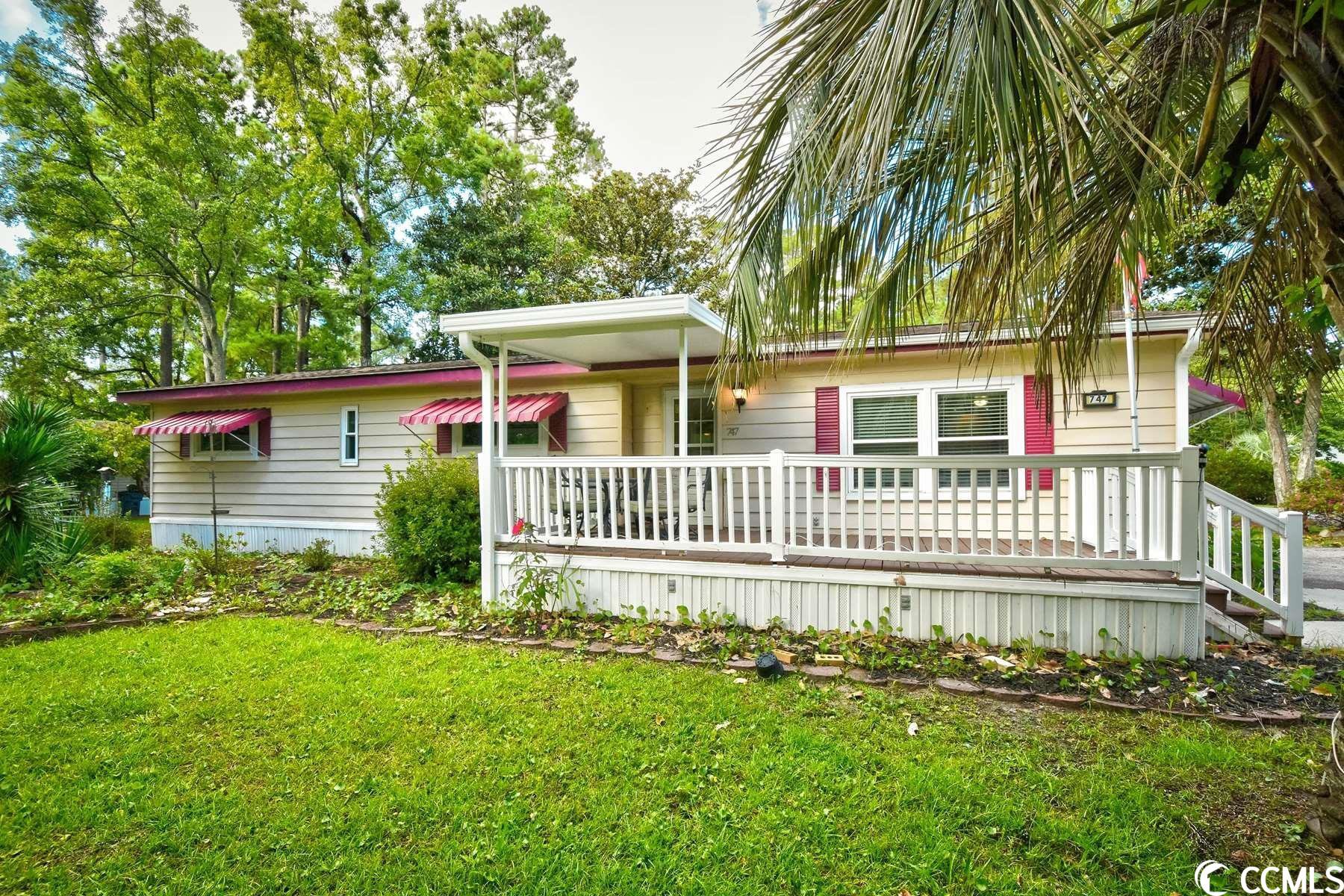
Manufactured Home for Sale

When it comes to purchasing a home, many different options are available on the market. Two of those options are manufactured or mobile homes. While both types of homes have their own set of benefits, manufactured homes tend to offer more advantages than mobile homes. Here are just a few of the benefits that you can enjoy when you purchase a manufactured home:

1. More Affordable Than Traditional Homes: One of the biggest advantages of manufactured homes is that they are much more affordable than traditional stick-built homes. This is because they are produced in a controlled environment and don't require as much labor to construct. This makes them a great option for first-time homebuyers or those with a limited budget.

2. Faster Construction Time: Another benefit of manufactured homes is that they can be constructed much faster than traditional homes. This is again due to the fact that they are produced in a controlled environment and don't require as much labor to construct. This means that you can move into your new home much sooner than you could if you were building a traditional home.

3. Built to Last: Manufactured homes are built to last. They must meet strict HUD code requirements, meaning they are constructed using high-quality materials and construction techniques. This results in a home built to stand the test of time and will provide you with years of enjoyment.

What is a Manufactured or Mobile Home?

A manufactured or mobile home is a type of prefabricated housing that is built in a factory and then transported to the site where it will be used. Manufactured homes are also sometimes referred to as modular homes, but there is a difference between the two types of homes. Modular homes are built in sections that are then put together on-site, while manufactured homes are completely built in a factory and then delivered to the home site.

There are many benefits to purchasing a manufactured or mobile home. One benefit is that these homes can be much more affordable than traditional stick-built homes. Another benefit is that manufactured homes can often be constructed more quickly than traditional homes, which can save time and money. And finally, manufactured homes can be placed in a wide variety of locations, including on your own land or in a community or park.

If you're considering purchasing a manufactured or mobile home, be sure to do your research and work with a reputable dealer or manufacturer. And remember, these homes require special financing, so be sure to talk to your lender about your options.

Benefits of Owning a Manufactured or Mobile Home

There are many benefits to owning a manufactured or mobile home. For one, these homes are much more affordable than traditional stick-built homes. They are also much easier to maintain and can be customized to your liking.

Another benefit of owning a manufactured or mobile home is that it can be moved if you need to relocate. This is not the case with a traditional home, which can be a big hassle to move. Mobile homes can also be placed in different types of communities, such as 55+ communities, which offer amenities and activities specifically for older adults.

If you’re looking for an affordable, easy-to-maintain home that can be customized to your liking and moved if necessary, then a manufactured or mobile home is right for you.

Cost Savings

The typical manufactured home costs about 20 to 30 percent less than a comparable site-built home. That’s a significant saving, especially when you factor in the cost of land. 

In addition, because they are built in a controlled environment, weather delays are less likely to impact the construction schedule of a manufactured home. This can further reduce your costs by eliminating the need for temporary living arrangements while your new home is being completed.

Financing Options

If you're considering purchasing a manufactured or mobile home, you'll need to think about the best way to finance your purchase. There are a few different options available to you, and each has its own benefits and drawbacks.

One option is to finance your purchase with a personal loan from a bank or other financial institution. This can be a good option if you have good credit and can qualify for a low-interest rate. However, it can be difficult to get approved for a large enough loan to cover the cost of a manufactured home.

Another option is to finance your purchase with a loan from the manufacturer or dealer. Many manufacturers and dealers offer financing programs specifically for manufactured homes. These loans often come with lower interest rates and more flexible terms than traditional bank loans. However, they may require that you make a larger down payment than you would with a bank loan.

You can also pay cash for your manufactured home. This is the simplest way to finance your purchase, but it may not be possible if you don't have the necessary funds on hand. If you do have the cash available, paying upfront can help you avoid paying interest on your loan.

No matter which financing option you choose, be sure to shop around and compare offers before making a decision. And remember, your new home is an investment that will bring you years of enjoyment – so choose wisely!

Customization Options

There are many customization options available when you purchase a manufactured or mobile home. You can choose from a variety of floor plans, designs, and features to create the perfect home for your needs. Manufactured homes are built in a factory setting, so they can be customized to your exact specifications. Mobile homes are also available in a variety of sizes and styles, so you can find the perfect one for your family.

Maintenance and Upkeep

Assuming you take good care of it, a manufactured home will last just as long as a site-built one. That said, there are some important maintenance tasks to keep in mind. For starters, you’ll need to regularly clean and inspect your gutters and downspouts to ensure they aren’t clogged. You should also have your septic system inspected every three to five years and your home’s roof checked annually for signs of wear and tear. Of course, it’s also important to keep an eye on the exterior of your home for any cracks or other damage that may need to be repaired.

Selling Your Home

When you own a home, you have the freedom to do what you want with it. You can sell it, rent it out, or live in it yourself. There are many benefits to owning a manufactured or mobile home. Here are some of the benefits of selling your manufactured or mobile home:

1. You can sell your home for a profit. If you own a manufactured or mobile home, you can sell it for a profit. This is because manufactured and mobile homes appreciate in value over time.

2. You have the freedom to sell your home whenever you want. If you own a traditional stick-built home, you may have to wait for the housing market to improve before selling your home. However, if you own a manufactured or mobile home, you can sell your home at any time.

3. You can sell your home without an agent. If you own a manufactured or mobile home, you can list your home For Sale by Owner (FSBO). This means that you don’t have to pay a commission to a real estate agent.

4. You can move your home if you want to relocate. If you own a manufactured or mobile home, you can take your home with you if you decide to move to another city or state. This is not possible with a traditional stick-built home.

Conclusion

Purchasing a manufactured or mobile home can be an excellent way to get into homeownership without breaking the bank. With affordable prices, easy installation and customization options, and low maintenance costs, purchasing a manufactured or mobile home may be the best choice for those looking for an affordable housing option. Plus, with plenty of financing options available from lenders specifically designed to help buyers purchase this type of home, it's easier than ever to make your dream of owning your own home come true.


Posted in For Buyers
Aug. 23, 2023

7 strategies to market a condo for sale

Introduction to Selling A Condo

Condos For Sale

When it comes to selling a condo, the most important thing is to make sure that potential buyers are able to see its potential. After all, a condo is a big investment, and buyers need to be convinced that they’re making a wise decision.

Here are some tips on how to market a condo for sale:

1. Hire a professional photographer – This will ensure that your condo unit is presented in the best possible light. Potential buyers need to be able to see themselves living in the space, so make sure the photos show off the unit’s best features.

2. Use social media – Create a Facebook page or an Instagram account dedicated to your condo unit. Be sure to use relevant hashtags so that potential buyers can find you easily.

3. Get listed on real estate websites – There are many websites where you can list your condo unit for sale. This will give you more exposure and reach a wider audience of potential buyers.

4. Make a video tour – A video tour of your condo unit is a great way to give potential buyers a detailed look at the property without them having to physically visit it. You can post the video tour on social media or on real estate websites.

Utilize Online Listings

If you're looking to market your condo for sale, one of the best ways to do so is by utilizing online listings. By listing your condo on popular real estate websites, you'll be able to reach a large audience of potential buyers who may be interested in your property. Additionally, online listings typically allow you to include more information and photos than traditional print listings, which can help give potential buyers a better sense of what your condo has to offer.

Design a Creative Visual Marketing Strategy

When it comes to marketing a condo for sale, you need to get creative. There are a lot of condos on the market, so you need to make yours stand out. A great way to do this is with a visual marketing strategy.

Here are some tips for designing a creative visual marketing strategy:

1. Use eye-catching visuals.

Make sure your visuals are attention-grabbing and will make people want to learn more about your condo. Use bright colors, interesting graphics, and high-quality photos.

2. Tell a story with your visuals.

Your visuals should tell a story about your condo and what makes it special. They should highlight the features and amenities that will appeal to buyers.

3. Use different types of visuals.

Don't just rely on photos – mix things up with videos, infographics, and other types of visuals. This will help you reach a wider audience and keep people engaged.

4. Promote your visuals online.

Create a Floor Plan of the Condo

When you are marketing a condo for sale, one of the first things you should do is create a floor plan of the unit. This will give potential buyers an idea of the layout of the condo and help them visualize how they could use the space.

There are a few different ways to create a floor plan. You can use online tools like RoomSketcher or Floorplanner, or you can hire a professional to draw up a plan for you. If you have access to the original blueprints of the condo, that can be a helpful starting point.

Once you have your floor plan, you can start to stage the condo to appeal to buyers. First, declutter and depersonalize the space as much as possible. Then, focus on creating an inviting and comfortable atmosphere. Add some cozy throws and pillows, arrange furniture in pleasing groups, and add personal touches like photos and artworks that reflect the lifestyle of your target buyer.

Reach Out to Realtors

If you’re selling a condo, you’ll want to market it to realtors. Realtors are familiar with the condo market and can help you find potential buyers. Here are some tips for reaching out to realtors:

-Identify the realtors who sell condos in your area. You can find this information online or by asking your local real estate office.

-Contact the realtors and let them know you’re selling a condo. Include information about the unit, such as the price, square footage, and number of bedrooms and bathrooms.

-Invite the realtors to tour the condo. This will give them a chance to see the unit and learn more about it.

-Follow up with the realtors after they tour the condo. Thank them for their time and ask if they have any questions or suggestions.

Use Social Media Platforms to Promote The Condo

In order to market your condo most effectively, you should take advantage of social media platforms. This will help you reach a larger audience and promote your condo to a wider variety of potential buyers.

Some tips for using social media to promote your condo include:

- Utilize platforms like Facebook, Twitter, and Instagram to create posts about your condo. Be sure to use attractive photos and engaging descriptions.

- Use hashtags in your posts so that people searching for specific keywords can easily find your content.

- Share your content across multiple platforms and in different ways (i.e., reposting, tagging friends/followers, etc.) to maximize its reach.

By following these tips, you can effectively use social media to promote your condo and attract more potential buyers.

Hold an Open House and/or Informational Session

An open house is a great way to show off your condo and attract potential buyers. Be sure to promote your open house in advance so that people can plan to attend. You can promote your open house through flyers, social media, and word of mouth.

An informational session is also a great way to get the word out about your condo for sale. This can be a more low-key event than an open house, but it’s still a great opportunity to answer any questions potential buyers might have. You can promote your informational session in the same ways you would promote an open house.

Selling a condo requires the right combination of strategy and perseverance. With these 7 strategies, you will be able to effectively market your condo for sale and find the perfect buyer in no time. From developing an effective marketing plan to using digital tactics, there are plenty of ways to make sure that your listing stands out from the competition. Investing some time into researching these techniques can help increase your chances of success when it comes to selling a condo successfully.


Posted in For Sellers
Aug. 21, 2023

5 Things All New Agents Need To Know

What Every New Real Estate Agent Needs to Know

Real Estate Career

There are a few things every new real estate agent needs to know in order to be successful. First, it is important to get to know the market in your area. This means researching the prices of similar homes, understanding the trends, and knowing what buyers are looking for. It is also important to build relationships with other agents and professionals in the industry. This way, you can learn from their experiences and get advice when needed. Additionally, it is crucial to have a strong work ethic and be self-motivated. Always remember to put your client's needs first and act in their best interests. By following these tips, you will be on your way to a successful career in real estate!

How to Get Started in the Business

New agents need to know a few things before they get started in the business. Here are a few tips:

1. Get educated. There are many books, online courses, and seminars available that can teach you the ins and outs of the real estate business. It’s important that you have a strong understanding of the industry before you start working with clients.

2. Find a mentor. A mentor is someone who has been in the business for a while and can help guide you through your first transactions. Having a mentor will help you learn the ropes and avoid making costly mistakes.

3. Join a local or national organization. There are many organizations for real estate professionals that offer educational resources, networking opportunities, and more. This is a great way to get connected with other agents and learn about new trends in the industry.

4. Get involved in your community. One of the best ways to build your business is by getting involved in your community. Volunteer for local events, join neighborhood associations and get to know the people in your area.

5. Stay up-to-date on technology. Technology is constantly changing, and it’s important that you stay up-to-date on the latest tools and trends. This will help you be more efficient in your work and better able to serve your clients’ needs

The Basics of a Successful Real Estate Career

A successful real estate career can be very rewarding. It can also be a lot of work. Here are some things you need to know if you’re thinking about becoming a real estate agent.

1. You need to be licensed. 

In order to become a licensed real estate agent, you must complete a certain number of hours of education and pass a state exam. Once you’re licensed, you’ll need to renew your license every few years and complete continuing education courses.

2. You need to find a broker. 

Once you’re licensed, you can start working with clients, but you’ll need to find a broker to work under. A broker is someone who has more experience in the industry and can offer guidance and support. They will also handle paperwork and other business tasks. You’ll usually split your commission with your broker, so it’s important to choose someone you trust and who has a good reputation.

3. You need to market yourself. 

No matter how good you are at your job, if no one knows who you are, you won’t get very far in your career. You need to market yourself online and offline to attract potential clients. This includes having a strong social media presence, creating marketing materials, attending networking events, and more.

Understanding Your Target Market and Audience

As a new real estate agent, it is important to understand your target market and audience. This will help you better serve your clients and grow your business.

Your target market is the group of people who are most likely to buy or sell a property through you. To identify your target market, consider the following factors:

-Location: Are you targeting buyers or sellers in a specific city, state, or region?

-Property type: Are you specializing in residential, commercial, or industrial properties?

-Price range: What price range are your properties falling into?

-Buyers or sellers: Are you targeting buyers or sellers?

-Motivation: What is the motivation of your target market? Are they looking to buy their first home, upgrade to a larger home, downsize after retirement, etc.?

Once you have considered these factors, you can start to narrow down your target market. For example, if you're located in New York City and specializing in high-end residential properties, your target market may be wealthy individuals or families looking to purchase a luxury home. If you're located in a rural town and specialize in farmland, your target market may be farmers or investors interested in purchasing an agricultural property.

Differentiating Yourself from Other Agents

It's no secret that the real estate industry is competitive. In order to succeed as a new agent, it's important to differentiate yourself from other agents in your market. Here are a few ways to do that:

1. Develop a niche: Whether it's working with first-time home buyers, luxury buyers, or investors, find a target market and become an expert in serving that market.

2. Build a strong online presence: In today's world, potential clients are looking online for information about agents and properties. Make sure your website is professional and informative, and that you're active on social media.

3. Stay up-to-date on market trends: Keep tabs on the latest market conditions so you can advise your clients accordingly. This also helps you stand out when prospects are comparing different agents.

4. Offer exceptional customer service: Above all else, provide top-notch service to your clients and always be available to answer their questions or concerns. If you go the extra mile for your clients, they'll remember it when it comes time to refer you to others.

Developing a Professional Network

As a new real estate agent, one of the best things you can do is develop a professional network. This will help you meet other agents and learn about the industry. It can also lead to referrals and business opportunities.

There are a few ways to go about developing a professional network. One is to join a local or state real estate association. This will give you access to events and resources that can help you meet other agents. Another way is to attend industry events, such as trade shows or conferences. This can be a great way to meet people and learn about new trends in the industry.

You can also develop a professional network by joining an online community, such as an online forum or social media group. This can be a great way to connect with other agents and get advice and information.

Whatever method you choose, remember that networking takes time and effort. But it’s worth it because a strong professional network can help you succeed in your career as a real estate agent.

Conclusion

Being a new real estate agent is an exciting journey, and the knowledge you gain along the way will help you become successful in your career. By understanding the five things all new agents need to know, you can ensure that you have set yourself up for success from day one. From building relationships with clients to staying organized and leveraging technology, these tips will give any new agent a head start on their path toward success. So what are you waiting for? Start your real estate journey today!


Posted in Careers
Aug. 18, 2023

The benefits of owning a vacation rental

Introduction to Vacation Rentals

Vacation Rental

If you're considering purchasing a vacation rental property, it's important to understand the different types of vacation rentals and the benefits they offer. Vacation rentals come in all shapes and sizes, from small apartments to large houses. And while each type of rental has its own unique benefits, all vacation rentals offer homeowners a great way to earn extra income and offset the cost of ownership.

Vacation rentals are popular among travelers for their many benefits, including more space and privacy than traditional hotel rooms, lower nightly rates, and the ability to cook meals in your own kitchen. For homeowners, vacation rentals can be a great source of supplemental income. In fact, according to recent studies, the average vacation rental owner earns over $30,000 per year in rental income!

If you're thinking about purchasing a vacation rental property, be sure to do your research and weigh the pros and cons carefully. But if you're looking for a great way to earn some extra income while also offsetting the cost of ownership, a vacation rental may be right for you!

Pros and Cons of Owning a Vacation Rental

The Pros: 

1. You can make a great return on your investment. 

2. You have complete control over who stays in your rental property. 

3. You can use your vacation rental as a personal retreat when you want to get away. 

4. Vacation rentals are a great way to generate income to help offset the cost of ownership. 

5. You can take advantage of all the tax benefits that come with owning a rental property. 

6. You don’t have to worry about the hassles of maintaining a second home. 

7. When you own a vacation rental, you get to be your own boss! You make all the rules and decide how you want to run your business. 

8. Owning a vacation rental gives you the opportunity to meet new people and make lifelong friends from all over the world! 

9 . If you purchase a vacation rental in a desirable location, it can appreciate in value over time – giving you another avenue for making money off your investment."

10."Vacation rentals can provide some serious income potential – especially if you invest in multiple properties."

The Cons: 

1."There is always the potential for damage to occur at your vacation rental, whether it’s from guests or natural disasters."

2."If you don’t carefully screen your tenants, you could end up with some unsavory characters staying in your home

How to Get Started with a Vacation Rental Business

If you're thinking about starting a vacation rental business, there are a few things you should know. First, you'll need to find a good location for your rental property. Ideally, it should be in a popular vacation destination that gets a lot of visitors each year. Once you've found the perfect spot, you'll need to purchase or rent a property that is large enough to accommodate your guests comfortably.

Next, you'll need to furnish and decorate your rental property in order to make it appealing to potential guests. This includes choosing furniture and decorations that reflect the style of the destination where your property is located. You'll also want to make sure your rental has all the amenities and features that guests will be looking for when they book their stay.

You'll need to market your vacation rental business effectively in order to attract guests. This can be done through online listings, word-of-mouth marketing, and advertising in local publications. By following these tips, you can get started with your very own successful vacation rental business!

Tips for Successful Vacation Rental Ownership

As a vacation rental owner, there are a few key things you can do to set yourself up for success.

1. First and foremost, make sure your property is in a desirable location. This will be the number one factor in determining whether or not people want to stay at your rental.

2. Make sure your property is well-maintained and clean. Nobody wants to stay in a dirty or run-down rental property.

3. Take good care of your guests. Be responsive to their needs and concerns, and go above and beyond to make their stay enjoyable.

4. Advertise your vacation rental in the right places. There are many websites and platforms where you can list your rental, so make sure you choose the ones that will reach your target audience.

By following these tips, you’ll be well on your way to owning a successful vacation rental property!

What Type of Property Makes the Best Vacation Rental?

When it comes to finding the perfect vacation rental property, there are a few key factors to consider. Location is always important, but you also want to make sure the property itself is well-equipped and comfortable for your guests. Here are a few tips to help you find the best vacation rental property for your needs:

1. Consider the location. Where is the property located? Is it near popular tourist attractions? Is it in a quiet, secluded area? These are important factors to consider when choosing a vacation rental property.

2. What type of property are you looking for? A condo, villa, or single-family home? Each has its own advantages and disadvantages. For example, a condo may be easier to manage and require less maintenance than a single-family home, but a villa typically offers more privacy and space.

3. What amenities does the property have? Does it have a private pool? A hot tub? A game room? These are all things that can make your vacation rental more attractive to potential guests.

4. How large is the property? This is important to consider if you plan on hosting larger groups or events at your vacation rental. You'll need to make sure there is enough space for everyone to comfortably stay and enjoy themselves.

5. Is the property pet-friendly? This is an important consideration for many travelers, as not all vacation rentals allow pets. 

Tax Considerations for Vacation Rental Owners

It’s no secret that owning a vacation rental can be a great way to earn some extra income. But what you may not know is that there are some tax considerations you should be aware of as a vacation rental owner. Here are a few things to keep in mind:

1. You may be eligible for certain tax deductions.

As a vacation rental owner, you may be able to deduct certain expenses related to your property, such as mortgage interest, insurance, repairs, and maintenance. Be sure to consult with a tax advisor to see if you qualify for any deductions.

2. You’ll need to report your rental income on your taxes.

Any income you receive from renting out your property will need to be reported on your taxes. This includes money received from short-term rentals (such as Airbnb), long-term leases, and even occasional rentals. Be sure to keep track of all rental income so you can properly report it to come tax time.

3. You may need to pay taxes on your rental income.

Depending on the amount of money you make from renting out your property, you may be required to pay taxes on that income. If you have any questions about whether or not you owe taxes on your rental income, be sure to speak with a tax professional.

Creating a Great Experience for Your Guests

As a vacation rental owner, you have the opportunity to create a unique and memorable experience for your guests. By taking the time to personalize your rental property and pay attention to the little details, you can ensure that your guests have a wonderful time while they're staying with you.

There are a few key things to keep in mind when creating a great experience for your guests:

1. Make sure your rental property is clean and comfortable. This is the most important thing you can do to ensure that your guests have a pleasant stay. Be sure to clean thoroughly before each arrival, and provide plenty of fresh towels, sheets, and other amenities.

2. Pay attention to the little details. From providing fresh flowers in the room to stocking the pantry with snacks and drinks, small touches can make a big difference in creating a positive experience for your guests.

3. Be available if your guests need anything. While you want them to enjoy their privacy, it's important to be available if they need anything during their stay. Make sure they know how to reach you if they need anything and be quick to respond if they do contact you.

By following these tips, you can be sure that your guests will have a wonderful time while staying at your vacation rental property!

Conclusion

Vacation rentals are a great way to get the most out of your investment property. Not only do you have the potential to generate income, but you also can find yourself in a unique situation where you're able to enjoy time away from home while having someone else cover all or some of those costs. Whether it’s for personal use or as an investment, vacation rentals offer many benefits that should not be overlooked. So if you’re looking for an easy and cost-effective way to own a piece of paradise, look no further than owning a vacation rental! Start your search today


Posted in For Buyers