Welcome to your Upstate SC Real Estate Resource!

This blog will offer a mix of our newest listings to come onto the market as well as some client testimonials. Here you will also find some useful resources on buying and selling a home in the Upstate of South Carolina and Western North Carolina. 

If you see a home that looks interesting or if you have any questions regarding all aspects of the Real Estate market please feel free to contact us! - Peggy


Aug. 28, 2023

The process of purchasing a cooperative apartment

Introduction to Cooperatives

Cooperative

A cooperative, or co-op, is a type of housing where residents own their units and share common areas, such as the lobby, hallways, and gardens. Co-ops are typically found in urban areas and are popular among young professionals and families. 

The process of purchasing a cooperative apartment is different from buying a traditional home. In a co-op, you are buying shares in the corporation that owns the building. You will need to be approved by the board of directors of the corporation in order to purchase shares. 

The biggest advantage of owning a cooperative apartment is that you have more control over your living environment than if you were renting an apartment. You are also able to build equity in your unit. However, there are some disadvantages to owning a cooperative apartment. These include the fact that you may have difficulty selling your unit if the board does not approve of the buyer and that you may be responsible for paying special assessments if repairs need to be made to the building. 

If you are considering purchasing a cooperative apartment, it is important to do your research and speak with a real estate attorney to ensure that you understand all of the pros and cons before making this type of investment.

Benefits of Purchasing a Co-op Apartment

When you purchase a cooperative apartment, you are actually purchasing shares in a corporation that owns the property. As a shareholder, you have the right to live in a specific unit in the building and to use the common areas, such as the laundry room, gym, and roof deck. You also have a say in how the building is run and can vote for members of the board of directors.

There are many benefits to purchasing a cooperative apartment, including:

-You get to live in a great location: Cooperative apartments are often located in prime real estate locations, such as near good schools, public transportation, and parks.

-You have more control over your living situation: As a shareholder in the corporation that owns the property, you have a say in how the building is run. This means you can help make decisions about things like noise levels, pet policies, and renovations.

-Your monthly expenses are predictable: Unlike renting an apartment, where your rent could go up at any time, your monthly expenses as a cooperative shareholder are fixed. This makes budgeting much easier and gives you peace of mind knowing that your housing costs won’t fluctuate.

-You may get tax breaks: Depending on your financial situation, you may be eligible for certain tax breaks when you own a cooperative apartment. Consult with a tax advisor to see if this is something that would benefit you.

Steps in the Process of Buying a Co-op

The steps in the process of buying a cooperative apartment are: 

1. Determine your budget and what you can afford. 

2. Research different co-ops to find the right one for you. 

3. Get pre-approved for a mortgage loan from a lending institution. 

4. Make an offer on the co-op apartment that is accepted by the seller. 

5. Complete a loan application and provide financial documents to the lending institution. 

6. Attend a board interview with the co-op board of directors. 

7. Obtain financing from the lending institution and close on the loan. 

8. Move into your new cooperative apartment!

What to Look for When Buying a Co-op

When you are looking to purchase a cooperative apartment, there are a few key things that you will want to keep in mind. First and foremost, you will want to make sure that the cooperative board is in good standing. This means that the board should be financially stable and able to meet its obligations. Additionally, you will want to make sure that the cooperative has a good reputation within the community. You can learn about a cooperative's reputation by talking to current and former residents, as well as by reading online reviews. You will want to make sure that the cooperative is located in a desirable area. This means that it should be close to amenities like shopping, dining, and entertainment.

Financial Considerations

If you're considering purchasing a cooperative apartment, there are a few financial considerations to keep in mind. First, you'll need to be able to afford the initial purchase price and monthly fees. The purchase price will typically be higher than for a comparable condo or traditional home, and the monthly fees can also be higher. You'll also need to have money available for a down payment and closing costs.

Another financial consideration is that co-ops typically have stricter financing requirements than other types of homes. You may need to get a conventional loan instead of an FHA or VA loan, and you'll likely need a larger down payment. So it's important to talk to a lender about your financing options before you start shopping for a co-op.

Remember that as a cooperative owner, you're essentially running a small business. That means there are additional financial responsibilities, such as paying taxes on your profits and maintaining adequate insurance coverage.

Closing the Deal

The cooperative board will review your application and financials. If they approve your application, they will send you a “letter of intent” which is basically a contract. This document will outline the purchase price, the down payment requirements, and other important details of the sale. Once you have signed and returned this document, you are officially in contract to purchase the apartment!

After You Move In

"The process of purchasing a cooperative apartment"

After you move in, there are a few key things to remember in order to maintain your investment and live happily in your new home. First, it’s important to know that you are now responsible for a portion of the building’s common areas and expenses. This includes monthly maintenance fees which go towards the upkeep of the property, as well as any special assessments that may come up (for example, if there is necessary repair or replacement work needed). It’s also important to be familiar with and adhere to the building’s by-laws – these outline what residents can and cannot do in terms of noise levels, pets, guests, etc. Remember that you are now part of a community and should aim to be a considerate neighbor!

Conclusion

Purchasing a cooperative apartment can be a complex process, but with the right guidance and careful consideration of your needs, it can also be extremely rewarding. With the tips outlined in this article, you should now have a better understanding of what to expect when purchasing a co-op apartment, from researching potential buildings to negotiating for the best deal. The key is to make sure that you do your research carefully and take all necessary steps before making any final decisions.


Aug. 25, 2023

The benefits of purchasing a Manufactured or Mobile Home

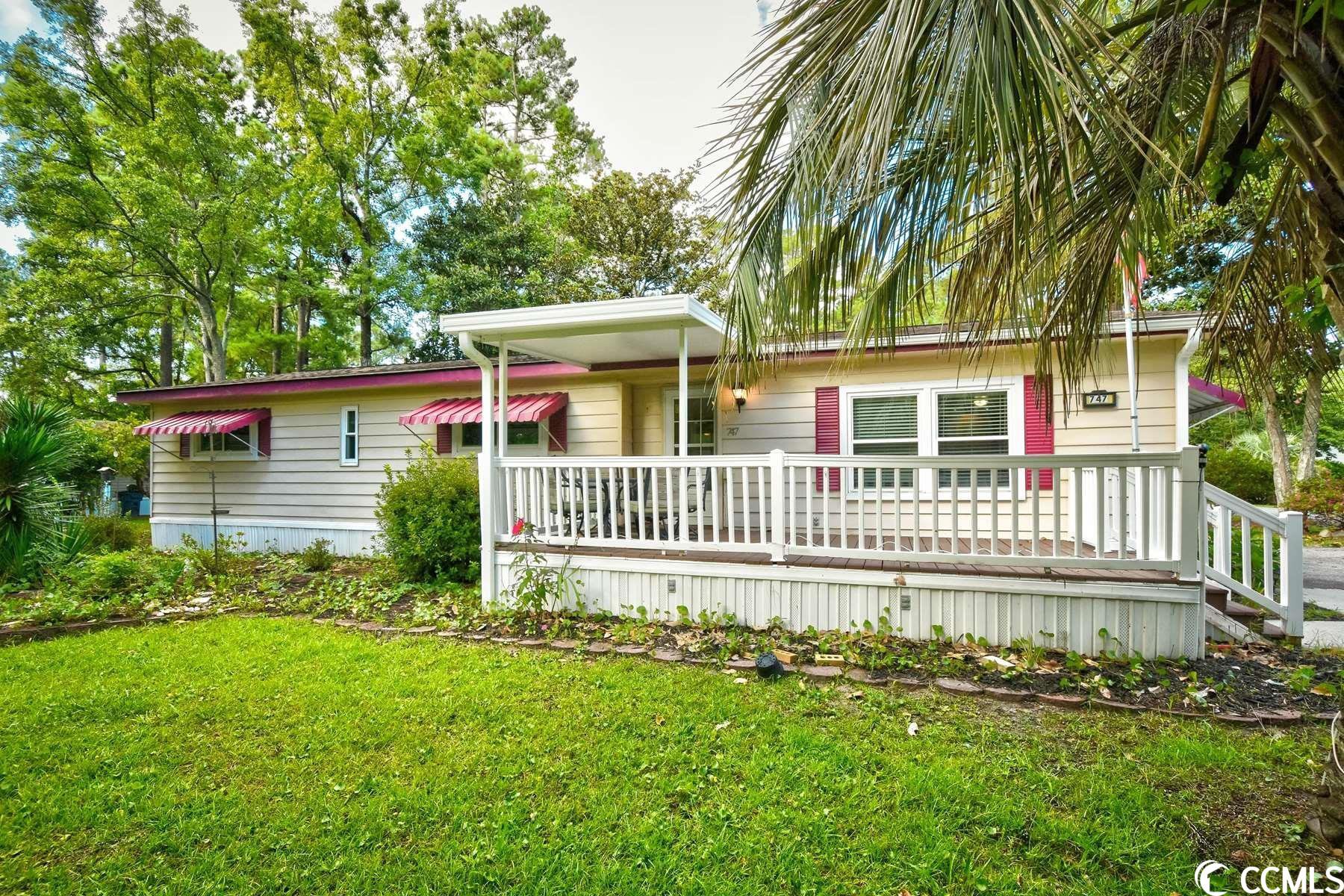
Manufactured Home for Sale

When it comes to purchasing a home, many different options are available on the market. Two of those options are manufactured or mobile homes. While both types of homes have their own set of benefits, manufactured homes tend to offer more advantages than mobile homes. Here are just a few of the benefits that you can enjoy when you purchase a manufactured home:

1. More Affordable Than Traditional Homes: One of the biggest advantages of manufactured homes is that they are much more affordable than traditional stick-built homes. This is because they are produced in a controlled environment and don't require as much labor to construct. This makes them a great option for first-time homebuyers or those with a limited budget.

2. Faster Construction Time: Another benefit of manufactured homes is that they can be constructed much faster than traditional homes. This is again due to the fact that they are produced in a controlled environment and don't require as much labor to construct. This means that you can move into your new home much sooner than you could if you were building a traditional home.

3. Built to Last: Manufactured homes are built to last. They must meet strict HUD code requirements, meaning they are constructed using high-quality materials and construction techniques. This results in a home built to stand the test of time and will provide you with years of enjoyment.

What is a Manufactured or Mobile Home?

A manufactured or mobile home is a type of prefabricated housing that is built in a factory and then transported to the site where it will be used. Manufactured homes are also sometimes referred to as modular homes, but there is a difference between the two types of homes. Modular homes are built in sections that are then put together on-site, while manufactured homes are completely built in a factory and then delivered to the home site.

There are many benefits to purchasing a manufactured or mobile home. One benefit is that these homes can be much more affordable than traditional stick-built homes. Another benefit is that manufactured homes can often be constructed more quickly than traditional homes, which can save time and money. And finally, manufactured homes can be placed in a wide variety of locations, including on your own land or in a community or park.

If you're considering purchasing a manufactured or mobile home, be sure to do your research and work with a reputable dealer or manufacturer. And remember, these homes require special financing, so be sure to talk to your lender about your options.

Benefits of Owning a Manufactured or Mobile Home

There are many benefits to owning a manufactured or mobile home. For one, these homes are much more affordable than traditional stick-built homes. They are also much easier to maintain and can be customized to your liking.

Another benefit of owning a manufactured or mobile home is that it can be moved if you need to relocate. This is not the case with a traditional home, which can be a big hassle to move. Mobile homes can also be placed in different types of communities, such as 55+ communities, which offer amenities and activities specifically for older adults.

If you’re looking for an affordable, easy-to-maintain home that can be customized to your liking and moved if necessary, then a manufactured or mobile home is right for you.

Cost Savings

The typical manufactured home costs about 20 to 30 percent less than a comparable site-built home. That’s a significant saving, especially when you factor in the cost of land. 

In addition, because they are built in a controlled environment, weather delays are less likely to impact the construction schedule of a manufactured home. This can further reduce your costs by eliminating the need for temporary living arrangements while your new home is being completed.

Financing Options

If you're considering purchasing a manufactured or mobile home, you'll need to think about the best way to finance your purchase. There are a few different options available to you, and each has its own benefits and drawbacks.

One option is to finance your purchase with a personal loan from a bank or other financial institution. This can be a good option if you have good credit and can qualify for a low-interest rate. However, it can be difficult to get approved for a large enough loan to cover the cost of a manufactured home.

Another option is to finance your purchase with a loan from the manufacturer or dealer. Many manufacturers and dealers offer financing programs specifically for manufactured homes. These loans often come with lower interest rates and more flexible terms than traditional bank loans. However, they may require that you make a larger down payment than you would with a bank loan.

You can also pay cash for your manufactured home. This is the simplest way to finance your purchase, but it may not be possible if you don't have the necessary funds on hand. If you do have the cash available, paying upfront can help you avoid paying interest on your loan.

No matter which financing option you choose, be sure to shop around and compare offers before making a decision. And remember, your new home is an investment that will bring you years of enjoyment – so choose wisely!

Customization Options

There are many customization options available when you purchase a manufactured or mobile home. You can choose from a variety of floor plans, designs, and features to create the perfect home for your needs. Manufactured homes are built in a factory setting, so they can be customized to your exact specifications. Mobile homes are also available in a variety of sizes and styles, so you can find the perfect one for your family.

Maintenance and Upkeep

Assuming you take good care of it, a manufactured home will last just as long as a site-built one. That said, there are some important maintenance tasks to keep in mind. For starters, you’ll need to regularly clean and inspect your gutters and downspouts to ensure they aren’t clogged. You should also have your septic system inspected every three to five years and your home’s roof checked annually for signs of wear and tear. Of course, it’s also important to keep an eye on the exterior of your home for any cracks or other damage that may need to be repaired.

Selling Your Home

When you own a home, you have the freedom to do what you want with it. You can sell it, rent it out, or live in it yourself. There are many benefits to owning a manufactured or mobile home. Here are some of the benefits of selling your manufactured or mobile home:

1. You can sell your home for a profit. If you own a manufactured or mobile home, you can sell it for a profit. This is because manufactured and mobile homes appreciate in value over time.

2. You have the freedom to sell your home whenever you want. If you own a traditional stick-built home, you may have to wait for the housing market to improve before selling your home. However, if you own a manufactured or mobile home, you can sell your home at any time.

3. You can sell your home without an agent. If you own a manufactured or mobile home, you can list your home For Sale by Owner (FSBO). This means that you don’t have to pay a commission to a real estate agent.

4. You can move your home if you want to relocate. If you own a manufactured or mobile home, you can take your home with you if you decide to move to another city or state. This is not possible with a traditional stick-built home.

Conclusion

Purchasing a manufactured or mobile home can be an excellent way to get into homeownership without breaking the bank. With affordable prices, easy installation and customization options, and low maintenance costs, purchasing a manufactured or mobile home may be the best choice for those looking for an affordable housing option. Plus, with plenty of financing options available from lenders specifically designed to help buyers purchase this type of home, it's easier than ever to make your dream of owning your own home come true.


Posted in For Buyers
Aug. 23, 2023

7 strategies to market a condo for sale

Introduction to Selling A Condo

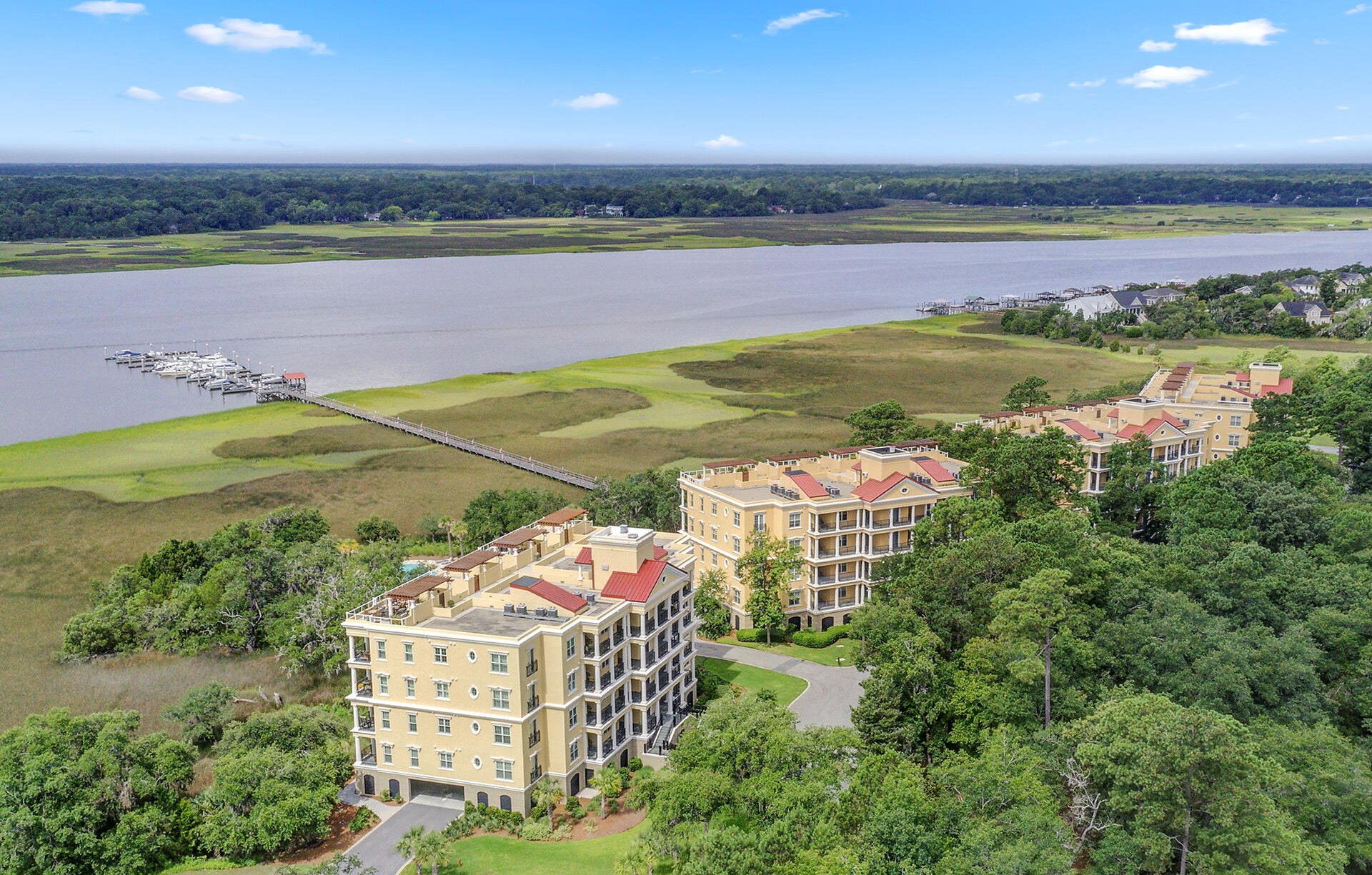
Condos For Sale

When it comes to selling a condo, the most important thing is to make sure that potential buyers are able to see its potential. After all, a condo is a big investment, and buyers need to be convinced that they’re making a wise decision.

Here are some tips on how to market a condo for sale:

1. Hire a professional photographer – This will ensure that your condo unit is presented in the best possible light. Potential buyers need to be able to see themselves living in the space, so make sure the photos show off the unit’s best features.

2. Use social media – Create a Facebook page or an Instagram account dedicated to your condo unit. Be sure to use relevant hashtags so that potential buyers can find you easily.

3. Get listed on real estate websites – There are many websites where you can list your condo unit for sale. This will give you more exposure and reach a wider audience of potential buyers.

4. Make a video tour – A video tour of your condo unit is a great way to give potential buyers a detailed look at the property without them having to physically visit it. You can post the video tour on social media or on real estate websites.

Utilize Online Listings

If you're looking to market your condo for sale, one of the best ways to do so is by utilizing online listings. By listing your condo on popular real estate websites, you'll be able to reach a large audience of potential buyers who may be interested in your property. Additionally, online listings typically allow you to include more information and photos than traditional print listings, which can help give potential buyers a better sense of what your condo has to offer.

Design a Creative Visual Marketing Strategy

When it comes to marketing a condo for sale, you need to get creative. There are a lot of condos on the market, so you need to make yours stand out. A great way to do this is with a visual marketing strategy.

Here are some tips for designing a creative visual marketing strategy:

1. Use eye-catching visuals.

Make sure your visuals are attention-grabbing and will make people want to learn more about your condo. Use bright colors, interesting graphics, and high-quality photos.

2. Tell a story with your visuals.

Your visuals should tell a story about your condo and what makes it special. They should highlight the features and amenities that will appeal to buyers.

3. Use different types of visuals.

Don't just rely on photos – mix things up with videos, infographics, and other types of visuals. This will help you reach a wider audience and keep people engaged.

4. Promote your visuals online.

Create a Floor Plan of the Condo

When you are marketing a condo for sale, one of the first things you should do is create a floor plan of the unit. This will give potential buyers an idea of the layout of the condo and help them visualize how they could use the space.

There are a few different ways to create a floor plan. You can use online tools like RoomSketcher or Floorplanner, or you can hire a professional to draw up a plan for you. If you have access to the original blueprints of the condo, that can be a helpful starting point.

Once you have your floor plan, you can start to stage the condo to appeal to buyers. First, declutter and depersonalize the space as much as possible. Then, focus on creating an inviting and comfortable atmosphere. Add some cozy throws and pillows, arrange furniture in pleasing groups, and add personal touches like photos and artworks that reflect the lifestyle of your target buyer.

Reach Out to Realtors

If you’re selling a condo, you’ll want to market it to realtors. Realtors are familiar with the condo market and can help you find potential buyers. Here are some tips for reaching out to realtors:

-Identify the realtors who sell condos in your area. You can find this information online or by asking your local real estate office.

-Contact the realtors and let them know you’re selling a condo. Include information about the unit, such as the price, square footage, and number of bedrooms and bathrooms.

-Invite the realtors to tour the condo. This will give them a chance to see the unit and learn more about it.

-Follow up with the realtors after they tour the condo. Thank them for their time and ask if they have any questions or suggestions.

Use Social Media Platforms to Promote The Condo

In order to market your condo most effectively, you should take advantage of social media platforms. This will help you reach a larger audience and promote your condo to a wider variety of potential buyers.

Some tips for using social media to promote your condo include:

- Utilize platforms like Facebook, Twitter, and Instagram to create posts about your condo. Be sure to use attractive photos and engaging descriptions.

- Use hashtags in your posts so that people searching for specific keywords can easily find your content.

- Share your content across multiple platforms and in different ways (i.e., reposting, tagging friends/followers, etc.) to maximize its reach.

By following these tips, you can effectively use social media to promote your condo and attract more potential buyers.

Hold an Open House and/or Informational Session

An open house is a great way to show off your condo and attract potential buyers. Be sure to promote your open house in advance so that people can plan to attend. You can promote your open house through flyers, social media, and word of mouth.

An informational session is also a great way to get the word out about your condo for sale. This can be a more low-key event than an open house, but it’s still a great opportunity to answer any questions potential buyers might have. You can promote your informational session in the same ways you would promote an open house.

Selling a condo requires the right combination of strategy and perseverance. With these 7 strategies, you will be able to effectively market your condo for sale and find the perfect buyer in no time. From developing an effective marketing plan to using digital tactics, there are plenty of ways to make sure that your listing stands out from the competition. Investing some time into researching these techniques can help increase your chances of success when it comes to selling a condo successfully.


Posted in For Sellers
Aug. 21, 2023

5 Things All New Agents Need To Know

What Every New Real Estate Agent Needs to Know

Real Estate Career

There are a few things every new real estate agent needs to know in order to be successful. First, it is important to get to know the market in your area. This means researching the prices of similar homes, understanding the trends, and knowing what buyers are looking for. It is also important to build relationships with other agents and professionals in the industry. This way, you can learn from their experiences and get advice when needed. Additionally, it is crucial to have a strong work ethic and be self-motivated. Always remember to put your client's needs first and act in their best interests. By following these tips, you will be on your way to a successful career in real estate!

How to Get Started in the Business

New agents need to know a few things before they get started in the business. Here are a few tips:

1. Get educated. There are many books, online courses, and seminars available that can teach you the ins and outs of the real estate business. It’s important that you have a strong understanding of the industry before you start working with clients.

2. Find a mentor. A mentor is someone who has been in the business for a while and can help guide you through your first transactions. Having a mentor will help you learn the ropes and avoid making costly mistakes.

3. Join a local or national organization. There are many organizations for real estate professionals that offer educational resources, networking opportunities, and more. This is a great way to get connected with other agents and learn about new trends in the industry.

4. Get involved in your community. One of the best ways to build your business is by getting involved in your community. Volunteer for local events, join neighborhood associations and get to know the people in your area.

5. Stay up-to-date on technology. Technology is constantly changing, and it’s important that you stay up-to-date on the latest tools and trends. This will help you be more efficient in your work and better able to serve your clients’ needs

The Basics of a Successful Real Estate Career

A successful real estate career can be very rewarding. It can also be a lot of work. Here are some things you need to know if you’re thinking about becoming a real estate agent.

1. You need to be licensed. 

In order to become a licensed real estate agent, you must complete a certain number of hours of education and pass a state exam. Once you’re licensed, you’ll need to renew your license every few years and complete continuing education courses.

2. You need to find a broker. 

Once you’re licensed, you can start working with clients, but you’ll need to find a broker to work under. A broker is someone who has more experience in the industry and can offer guidance and support. They will also handle paperwork and other business tasks. You’ll usually split your commission with your broker, so it’s important to choose someone you trust and who has a good reputation.

3. You need to market yourself. 

No matter how good you are at your job, if no one knows who you are, you won’t get very far in your career. You need to market yourself online and offline to attract potential clients. This includes having a strong social media presence, creating marketing materials, attending networking events, and more.

Understanding Your Target Market and Audience

As a new real estate agent, it is important to understand your target market and audience. This will help you better serve your clients and grow your business.

Your target market is the group of people who are most likely to buy or sell a property through you. To identify your target market, consider the following factors:

-Location: Are you targeting buyers or sellers in a specific city, state, or region?

-Property type: Are you specializing in residential, commercial, or industrial properties?

-Price range: What price range are your properties falling into?

-Buyers or sellers: Are you targeting buyers or sellers?

-Motivation: What is the motivation of your target market? Are they looking to buy their first home, upgrade to a larger home, downsize after retirement, etc.?

Once you have considered these factors, you can start to narrow down your target market. For example, if you're located in New York City and specializing in high-end residential properties, your target market may be wealthy individuals or families looking to purchase a luxury home. If you're located in a rural town and specialize in farmland, your target market may be farmers or investors interested in purchasing an agricultural property.

Differentiating Yourself from Other Agents

It's no secret that the real estate industry is competitive. In order to succeed as a new agent, it's important to differentiate yourself from other agents in your market. Here are a few ways to do that:

1. Develop a niche: Whether it's working with first-time home buyers, luxury buyers, or investors, find a target market and become an expert in serving that market.

2. Build a strong online presence: In today's world, potential clients are looking online for information about agents and properties. Make sure your website is professional and informative, and that you're active on social media.

3. Stay up-to-date on market trends: Keep tabs on the latest market conditions so you can advise your clients accordingly. This also helps you stand out when prospects are comparing different agents.

4. Offer exceptional customer service: Above all else, provide top-notch service to your clients and always be available to answer their questions or concerns. If you go the extra mile for your clients, they'll remember it when it comes time to refer you to others.

Developing a Professional Network

As a new real estate agent, one of the best things you can do is develop a professional network. This will help you meet other agents and learn about the industry. It can also lead to referrals and business opportunities.

There are a few ways to go about developing a professional network. One is to join a local or state real estate association. This will give you access to events and resources that can help you meet other agents. Another way is to attend industry events, such as trade shows or conferences. This can be a great way to meet people and learn about new trends in the industry.

You can also develop a professional network by joining an online community, such as an online forum or social media group. This can be a great way to connect with other agents and get advice and information.

Whatever method you choose, remember that networking takes time and effort. But it’s worth it because a strong professional network can help you succeed in your career as a real estate agent.

Conclusion

Being a new real estate agent is an exciting journey, and the knowledge you gain along the way will help you become successful in your career. By understanding the five things all new agents need to know, you can ensure that you have set yourself up for success from day one. From building relationships with clients to staying organized and leveraging technology, these tips will give any new agent a head start on their path toward success. So what are you waiting for? Start your real estate journey today!


Posted in Careers
Aug. 18, 2023

The benefits of owning a vacation rental

Introduction to Vacation Rentals

Vacation Rental

If you're considering purchasing a vacation rental property, it's important to understand the different types of vacation rentals and the benefits they offer. Vacation rentals come in all shapes and sizes, from small apartments to large houses. And while each type of rental has its own unique benefits, all vacation rentals offer homeowners a great way to earn extra income and offset the cost of ownership.

Vacation rentals are popular among travelers for their many benefits, including more space and privacy than traditional hotel rooms, lower nightly rates, and the ability to cook meals in your own kitchen. For homeowners, vacation rentals can be a great source of supplemental income. In fact, according to recent studies, the average vacation rental owner earns over $30,000 per year in rental income!

If you're thinking about purchasing a vacation rental property, be sure to do your research and weigh the pros and cons carefully. But if you're looking for a great way to earn some extra income while also offsetting the cost of ownership, a vacation rental may be right for you!

Pros and Cons of Owning a Vacation Rental

The Pros: 

1. You can make a great return on your investment. 

2. You have complete control over who stays in your rental property. 

3. You can use your vacation rental as a personal retreat when you want to get away. 

4. Vacation rentals are a great way to generate income to help offset the cost of ownership. 

5. You can take advantage of all the tax benefits that come with owning a rental property. 

6. You don’t have to worry about the hassles of maintaining a second home. 

7. When you own a vacation rental, you get to be your own boss! You make all the rules and decide how you want to run your business. 

8. Owning a vacation rental gives you the opportunity to meet new people and make lifelong friends from all over the world! 

9 . If you purchase a vacation rental in a desirable location, it can appreciate in value over time – giving you another avenue for making money off your investment."

10."Vacation rentals can provide some serious income potential – especially if you invest in multiple properties."

The Cons: 

1."There is always the potential for damage to occur at your vacation rental, whether it’s from guests or natural disasters."

2."If you don’t carefully screen your tenants, you could end up with some unsavory characters staying in your home

How to Get Started with a Vacation Rental Business

If you're thinking about starting a vacation rental business, there are a few things you should know. First, you'll need to find a good location for your rental property. Ideally, it should be in a popular vacation destination that gets a lot of visitors each year. Once you've found the perfect spot, you'll need to purchase or rent a property that is large enough to accommodate your guests comfortably.

Next, you'll need to furnish and decorate your rental property in order to make it appealing to potential guests. This includes choosing furniture and decorations that reflect the style of the destination where your property is located. You'll also want to make sure your rental has all the amenities and features that guests will be looking for when they book their stay.

You'll need to market your vacation rental business effectively in order to attract guests. This can be done through online listings, word-of-mouth marketing, and advertising in local publications. By following these tips, you can get started with your very own successful vacation rental business!

Tips for Successful Vacation Rental Ownership

As a vacation rental owner, there are a few key things you can do to set yourself up for success.

1. First and foremost, make sure your property is in a desirable location. This will be the number one factor in determining whether or not people want to stay at your rental.

2. Make sure your property is well-maintained and clean. Nobody wants to stay in a dirty or run-down rental property.

3. Take good care of your guests. Be responsive to their needs and concerns, and go above and beyond to make their stay enjoyable.

4. Advertise your vacation rental in the right places. There are many websites and platforms where you can list your rental, so make sure you choose the ones that will reach your target audience.

By following these tips, you’ll be well on your way to owning a successful vacation rental property!

What Type of Property Makes the Best Vacation Rental?

When it comes to finding the perfect vacation rental property, there are a few key factors to consider. Location is always important, but you also want to make sure the property itself is well-equipped and comfortable for your guests. Here are a few tips to help you find the best vacation rental property for your needs:

1. Consider the location. Where is the property located? Is it near popular tourist attractions? Is it in a quiet, secluded area? These are important factors to consider when choosing a vacation rental property.

2. What type of property are you looking for? A condo, villa, or single-family home? Each has its own advantages and disadvantages. For example, a condo may be easier to manage and require less maintenance than a single-family home, but a villa typically offers more privacy and space.

3. What amenities does the property have? Does it have a private pool? A hot tub? A game room? These are all things that can make your vacation rental more attractive to potential guests.

4. How large is the property? This is important to consider if you plan on hosting larger groups or events at your vacation rental. You'll need to make sure there is enough space for everyone to comfortably stay and enjoy themselves.

5. Is the property pet-friendly? This is an important consideration for many travelers, as not all vacation rentals allow pets. 

Tax Considerations for Vacation Rental Owners

It’s no secret that owning a vacation rental can be a great way to earn some extra income. But what you may not know is that there are some tax considerations you should be aware of as a vacation rental owner. Here are a few things to keep in mind:

1. You may be eligible for certain tax deductions.

As a vacation rental owner, you may be able to deduct certain expenses related to your property, such as mortgage interest, insurance, repairs, and maintenance. Be sure to consult with a tax advisor to see if you qualify for any deductions.

2. You’ll need to report your rental income on your taxes.

Any income you receive from renting out your property will need to be reported on your taxes. This includes money received from short-term rentals (such as Airbnb), long-term leases, and even occasional rentals. Be sure to keep track of all rental income so you can properly report it to come tax time.

3. You may need to pay taxes on your rental income.

Depending on the amount of money you make from renting out your property, you may be required to pay taxes on that income. If you have any questions about whether or not you owe taxes on your rental income, be sure to speak with a tax professional.

Creating a Great Experience for Your Guests

As a vacation rental owner, you have the opportunity to create a unique and memorable experience for your guests. By taking the time to personalize your rental property and pay attention to the little details, you can ensure that your guests have a wonderful time while they're staying with you.

There are a few key things to keep in mind when creating a great experience for your guests:

1. Make sure your rental property is clean and comfortable. This is the most important thing you can do to ensure that your guests have a pleasant stay. Be sure to clean thoroughly before each arrival, and provide plenty of fresh towels, sheets, and other amenities.

2. Pay attention to the little details. From providing fresh flowers in the room to stocking the pantry with snacks and drinks, small touches can make a big difference in creating a positive experience for your guests.

3. Be available if your guests need anything. While you want them to enjoy their privacy, it's important to be available if they need anything during their stay. Make sure they know how to reach you if they need anything and be quick to respond if they do contact you.

By following these tips, you can be sure that your guests will have a wonderful time while staying at your vacation rental property!

Conclusion

Vacation rentals are a great way to get the most out of your investment property. Not only do you have the potential to generate income, but you also can find yourself in a unique situation where you're able to enjoy time away from home while having someone else cover all or some of those costs. Whether it’s for personal use or as an investment, vacation rentals offer many benefits that should not be overlooked. So if you’re looking for an easy and cost-effective way to own a piece of paradise, look no further than owning a vacation rental! Start your search today


Posted in For Buyers
Aug. 16, 2023

Why Energy-Efficient Homes are the Future of Sustainable Living

Introduction to Energy-Efficient Homes

Energy Efficient Homes

As the world becomes increasingly aware of the need for sustainable living, energy-efficient homes are becoming more popular. These homes are designed to minimize energy consumption and waste while maximizing comfort and efficiency.

There are many benefits to living in an energy-efficient home. Perhaps most importantly, they help reduce your carbon footprint and save you money on your utility bills. Additionally, these homes tend to be more comfortable than traditional homes, as they are better insulated and have better ventilation.

If you’re interested in sustainability and comfort, then an energy-efficient home is likely the right choice for you. If you’re not sure where to start, our team at Sustainable Living Solutions can help. We specialize in sustainable home design and can help you create the perfect energy-efficient home for your needs. Contact us today to get started!

Benefits of Energy-Efficient Homes

There are many benefits to energy-efficient homes, which is why they are the future of sustainable living. Energy-efficient homes use less energy overall, which saves money on utility bills and helps to conserve natural resources. In addition, energy-efficient homes are often more comfortable to live in thanks to improved air quality and temperature control.

One of the biggest benefits of energy-efficient homes is that they save money on utility bills. By using less energy, homeowners can see significant savings each month. In addition to saving money, conserving energy also helps to protect the environment. Energy-efficient homes produce lower carbon emissions, which helps reduce air pollution and fight climate change.

Another benefit of energy-efficient homes is that they are often more comfortable to live in. Thanks to improved insulation and ventilation, these homes tend to have better air quality and temperature control. This can create a healthier and more comfortable indoor environment for residents.

There are many reasons why energy-efficient homes are the future of sustainable living. These homes offer significant financial and environmental benefits that make them an attractive option for homeowners looking to reduce their impact on the planet.

How to Make Your Home More Efficient

As we become more aware of the need to conserve resources, many of us are looking for ways to make our homes more efficient. Here are some simple tips to get you started:

1. Get a home energy audit. This will help you identify areas where your home is wasting energy, so you can make changes to improve efficiency.

2. Install energy-saving appliances and fixtures. Replacing old, inefficient appliances with new ENERGY STAR® models can save you money on your energy bills and help reduce your home’s carbon footprint.

3. Use solar power. Solar energy is a clean, renewable resource that can be used to generate electricity or heat water for your home.

4. Insulate your home. Proper insulation helps keep your home warm in the winter and cool in the summer, which can save you money on heating and cooling costs.

5. Seal air leaks. drafts can waste a lot of energy, so it’s important to seal any gaps or cracks around doors and windows to prevent heat loss in the winter and heat gain in the summer.

Renewable Energy Sources

As our population continues to grow, the demand for energy will only increase. Unfortunately, traditional energy sources are becoming increasingly scarce and expensive. Renewable energy sources, on the other hand, are abundant and relatively affordable.

Solar power is one of the most promising renewable energy sources. The sun is a virtually limitless source of clean, renewable energy. Solar panels can be used to generate electricity or to heat water for domestic use. Solar power is becoming increasingly cost-effective as technology improves and solar panel prices continue to fall.

Wind power is another promising renewable energy source. Wind turbines can be used to generate electricity or to pump water. Wind power is also becoming increasingly cost-effective as technology improves and wind turbine prices continue to fall.

Hydropower is yet another promising renewable energy source. Water can be used to generate electricity or to pump water. Hydropower is also becoming increasingly cost-effective as technology improves and hydroelectric plant prices continue to fall.

Geothermal power is the final renewable energy source we will discuss here. Geothermal plants use the heat from the earth’s core to generate electricity or to heat water for domestic use. Geothermal power is also becoming increasingly cost-effective as technology improves and geothermal plant prices continue to fall.

Clearly, renewable energy sources are the future of sustainable living. They are abundant, relatively affordable, and environmentally friendly.

Smart Technology in the Home

As the world becomes increasingly digitized, it's no surprise that our homes are following suit. Smart technology is making its way into every aspect of home life, from entertainment and security to energy management and beyond.

One of the most exciting applications of smart technology is in the area of energy efficiency. By using smart thermostats, appliances, and lighting, homeowners can take control of their energy usage like never before. With a few simple clicks or taps, you can save money on your energy bill while also reducing your carbon footprint.

What's more, energy-efficient homes are becoming more and more affordable as the technology continues to evolve. In fact, many power companies are now offering incentives for customers to make the switch to a smart home. So not only is it good for the environment – it's good for your wallet too!

If you're thinking about making your home more sustainable, energy efficiency is a great place to start. And with smart technology making it easier than ever before, there's no excuse not to go green.

Tips for Creating an Eco-Friendly Home

The average U.S. household spends about $2,060 a year on energy bills, according to the U.S. Department of Energy. This number is only going to rise as time goes on, which is why more and more people are looking for ways to make their homes more energy efficient. There are many ways to make your home more eco-friendly, but here are a few tips to get you started:

1. Install energy-efficient windows: Replacing your old windows with new, energy-efficient ones can help reduce your heating and cooling costs by up to 30%.

2. Insulate your home: A well-insulated home will help keep the heat in during the winter and the cool air in during the summer, resulting in lower energy bills year-round.

3. Use LED lighting: LED bulbs use about 75% less energy than traditional incandescent bulbs and last up to 25 times longer. Switching to LED lighting throughout your home can save you a significant amount of money on your energy bill each month.

4. Upgrade your appliances: If your appliances are more than 10 years old, they’re probably not very energy efficient. Replacing them with newer, ENERGY STAR® certified models can help you save money on your utility bills each month while also reducing your carbon footprint.

5. Consider solar power: Solar power is a great way to produce renewable energy for your home while also saving money.

Conclusion

Energy-efficient homes are the future of sustainable living, as they not only help conserve energy but also reduce environmental pollution. These homes can save homeowners money by reducing their utility costs and help create a healthier home environment. In addition to being cost-effective, energy-efficient homes offer long-term benefits for both people and the planet. Investing in an energy-efficient home is one of the best decisions you can make to ensure a better quality of life for everyone now and in the future.

If you are considering a custom build, take a look at our new construction page for existing custom homes here!


Aug. 15, 2023

Best Neighborhoods for Families: A Guide to Spartanburg Living

Spartanburg, SC | Choosing the Right Neighborhood for Families 

Choosing a neighborhood to live in is an important decision, especially for families. The area you decide to call home will not only determine where your children go to school but also play a significant role in shaping their overall quality of life.

As parents, we want our children to grow up in a safe and nurturing environment, surrounded by other families with similar values. This is why selecting the right neighborhood is crucial, as it can have a lasting impact on both our children's upbringing and our family's well-being.

In this blog post, we will explore the importance of choosing the right neighborhood for families and how it can greatly affect their overall quality of life. We will also provide you with a guide to some of the best neighborhoods for families in Spartanburg, helping you make an informed decision when looking for your next home.

Neighborhood Spotlight: Highlighting Some of the Best Neighborhoods in Spartanburg 

When it comes to finding the perfect neighborhood for your family in Spartanburg, there are plenty of options to choose from. Each neighborhood has its own unique features and attractions that make it a desirable place to live and raise a family. In this section, we will highlight some of the best neighborhoods in Spartanburg for families, including their distinct characteristics and notable attractions.

1. Converse Heights - Located just minutes from downtown Spartanburg, Converse Heights is a picturesque neighborhood with tree-lined streets and beautiful historic homes. This area is known for its top-rated schools, making it an ideal choice for families with school-age children. Residents can also take advantage of the nearby YMCA featuring youth programs and activities, as well as shopping at Morgan Square which hosts events such as outdoor concerts and farmer's markets.

3. Hillbrook - Situated on the east side of Spartanburg, Hillbrook offers affordable housing options with spacious yards perfect for children to play in. Families can enjoy spending time outdoors at Tyger River Park which includes sports fields, playgrounds, walking trails, and even a splash pad during the summer months. 

4. Woodland Heights - This neighborhood is located in the heart of Spartanburg and is known for its family-friendly atmosphere and close-knit community. Families can take a stroll through the beautiful Hatcher Garden and Woodland Preserve, which features an array of plants, flowers, and walking trails. Additionally, the Westgate Mall offers a variety of shopping and dining options for families to enjoy.

5. Boiling Springs - Just outside of Spartanburg city limits, Boiling Springs is a popular choice for families looking for suburban living with easy access to the city. This neighborhood boasts top-rated schools and plenty of outdoor activities including hiking at Croft State Park and fishing at Lake Bowen.

6. Duncan Park - Located in the heart of Spartanburg, Duncan Park offers families a mix of urban amenities with suburban charm. Residents can take advantage of nearby attractions such as the Spartanburg Science Center, where children can learn about science through interactive exhibits. The park also hosts frequent events such as movie nights and concerts throughout the year.

Cost of Living: How it Compares to Other Areas in Spartanburg

Cost of living is an important factor to consider when deciding on the best neighborhood for your family. It affects your immediate expenses and plays a role in long-term financial planning. 

According to data from Numbeo, which collects and analyzes cost of living information from cities worldwide, the overall cost of living index for Spartanburg is 71.84, with housing being the biggest contributor to this score. This means that compared to the national average of 100, Spartanburg has a lower cost of living.

When examining specific neighborhoods within Spartanburg, some stand out as having a particularly affordable cost of living. The Cleveland Park area has a cost of living index of 68.37 while Converse Heights comes close at 69.44. Both these neighborhoods offer a slightly more affordable option compared to other areas in Spartanburg.

On the other hand, downtown Spartanburg and Hampton Heights have higher costs of living with indices of 76.53 and 75 respectively. While they may be pricier than other neighborhoods within Spartanburg, they still offer relatively affordable options compared to bigger cities like New York or San Francisco.

One aspect that contributes significantly to the overall cost of living is housing expenses. In general, housing costs in Spartanburg are below national averages with home prices ranging from $120,000 to $200,000. However, the downtown and Converse Heights neighborhoods have higher median home prices in the range of $200,000 to $300,000.

When it comes to rental prices, the average cost for a two-bedroom apartment in Spartanburg is around $1,000 per month. This is significantly lower than the national average of $1,200. Again, Cleveland Park and Converse Heights offer slightly more affordable rental options compared to downtown and Hampton Heights.

Overall, while there may be some variations in the cost of living between different neighborhoods in Spartanburg, they all offer relatively affordable options compared to other cities in the US. When considering factors like housing prices and overall expenses, families can find a neighborhood that suits their budget without compromising on quality of life. 


Posted in For Buyers
July 5, 2023

Investing in Spartanburg: Growth Opportunities in the Real Estate Market

Spartanburg and its Real Estate Market
Located in the foothills of the Blue Ridge Mountains, Spartanburg is a vibrant city in South Carolina that offers a unique blend of small-town charm and big-city amenities. With a population of over 37,000, this bustling city has been experiencing rapid growth in recent years, making it an attractive destination for investors looking to capitalize on the thriving real estate market.

Spartanburg's economy is diverse and robust, with major industries including manufacturing, healthcare, education, and logistics. This has led to a steady influx of job opportunities and a strong demand for housing, creating favorable conditions for real estate investment.

Real Estate Market Overview

The real estate market in Spartanburg has been steadily growing for the past few years. According to data from Zillow, the median home value in Spartanburg is $136,100 as of May 2021. This represents an increase of 11% from the previous year and is projected to continue rising by 8% in the next year.

The rental market is also thriving in Spartanburg due to its growing population and job opportunities. The average rent for a one-bedroom apartment is around $850 per month, while a two-bedroom apartment averages $1,000 per month. These prices are relatively affordable compared to other cities in South Carolina, making it an attractive option for both renters and investors.

Factors Driving Growth

One of the main factors driving growth in Spartanburg's real estate market is its economic development. The city has seen a surge in job growth in recent years, with major companies such as BMW, Michelin, and Amazon establishing operations in the area. This has not only created employment opportunities but also attracted a diverse pool of buyers and renters to the market.

Additionally, Spartanburg's location and transportation infrastructure make it an attractive destination for businesses and residents alike. It is strategically located between Charlotte, NC and Atlanta, GA, making it easily accessible to major urban centers. The city also has a well-developed transportation network, including an international airport and major highways.

Investment Opportunities

Spartanburg offers a variety of investment opportunities in both residential and commercial real estate. With its growing population and strong demand for housing, investing in rental properties can be a lucrative option. Single-family homes, multi-family units, and apartment complexes are all popular options among investors.

Commercial real estate investments are also on the rise in Spartanburg due to its thriving economy. From retail spaces to office buildings and industrial warehouses, there is no shortage of options for those looking to invest in commercial properties.

Why is Spartanburg a Good Place to Invest In?

Spartanburg, located in the heart of South Carolina's upstate region, is a city that offers plenty of opportunities for investors looking to enter the real estate market. With a growing population, strong economy, and diverse range of industries, Spartanburg has become an attractive destination for property investment. In this section, we will dive into the reasons why Spartanburg is a good place to invest and what makes it stand out from other cities.

1. Growing Population:

The population of Spartanburg has been steadily increasing over the years and is projected to continue its growth trend. According to recent estimates, the city's population has surpassed 180,000 residents and is expected to reach nearly 200,000 by 2025. This demographic shift not only indicates a demand for housing but also highlights Spartanburg's potential for future economic growth.

2. Strong Economy:

Spartanburg boasts a strong and diverse economy with multiple thriving industries such as manufacturing, healthcare, and education. The city is home to several major corporations including BMW Manufacturing Co., Michelin North America Inc., and Denny's Corporation - all contributing significantly to its economic stability. With a low unemployment rate of just 3%, there is a steady flow of job opportunities in Spartanburg which attracts young professionals and families looking for affordable housing options.

3. Favorable Real Estate Market:

Compared to other cities in South Carolina or neighboring states like North Carolina or Georgia, Spartanburg offers more affordable real estate prices without compromising on quality. The median home price in Spartanburg is around $160,000, making it an attractive option for first-time homebuyers and investors. Additionally, the rental market in Spartanburg is also strong, with a high demand for affordable housing options. This provides opportunities for investors to acquire rental properties and generate a steady stream of income.

4. Infrastructure and Development:

Spartanburg has invested heavily in its infrastructure and development projects in recent years. Major improvements have been made to roads, public transportation, and public spaces which have enhanced the overall livability of the city. The revitalization of downtown Spartanburg has also been a major focus, attracting new businesses and creating more job opportunities.

5. Proximity to Major Cities:

Spartanburg's location provides easy access to major cities like Greenville (30 minutes), Charlotte (1 hour), and Atlanta (2 hours). This makes it an ideal location for those who prefer a smaller city lifestyle while still having access to big-city amenities.

Types of Properties Available in Spartanburg

Spartanburg offers a variety of real estate investment opportunities with its diverse range of properties. Whether you are looking for residential, commercial, or industrial properties, there is something for every investor in this growing city. In this section, we will explore the different types of properties available in Spartanburg and their investment potential.

1. Single-Family Homes:

Single-family homes are the most common type of residential property in Spartanburg. These are standalone houses that offer privacy and space for families or individuals. With a steady demand from buyers and renters alike, single-family homes can provide a stable return on investment. The median home value in Spartanburg is $136,000 as of 2020, making it an affordable option for investors.

2. Multi-Family Properties:

Multi-family properties include duplexes, triplexes, and apartment buildings. These buildings have multiple units within them and provide an excellent opportunity for investors to generate higher rental income compared to single-family homes. With the growing population in Spartanburg, there is a high demand for rental housing, making multi-family properties a lucrative investment option.

3. Condominiums:

Condominiums or condos are individually owned units within a larger building or community. They offer amenities such as swimming pools, fitness centers, and security services while providing homeownership without the maintenance responsibilities of a traditional house. The demand for condos in downtown Spartanburg has been increasing due to the development of new businesses and attractions in the area.

4. Townhouses:

Townhouses are similar to condos in that they offer homeownership within a community setting. However, townhouses are typically larger and have multiple levels, giving them a closer resemblance to single-family homes. These properties can be attractive to both buyers and renters, making them a viable investment option in Spartanburg.

5. Commercial Properties:

Spartanburg has a thriving commercial sector, with many businesses and industries setting up shop in the city. Investors can find opportunities in retail spaces, office buildings, and industrial properties. The development of the South Carolina Inland Port has also attracted logistics and distribution companies to the area, creating potential for investment in warehouse and distribution facilities.

6. Land:

With its growing population and expanding economy, there is still undeveloped land available in Spartanburg for investors looking to build or develop properties. This could include residential subdivisions, commercial developments, or industrial sites. Investing in land can have significant potential for future returns as the city continues to grow.

Tips for Successful Investing in the Spartanburg Market

Investing in real estate can be a complicated and daunting process, especially for those looking to enter an unfamiliar market. However, with the right knowledge and approach, investing in the Spartanburg real estate market can be a profitable venture. Here are some tips to help you succeed in your investments in this growing South Carolina city.

1. Research the Market: The first step to successful investing is thorough research of the market. This includes understanding the current economic conditions, population growth, job market trends, and other factors that influence the demand for housing in Spartanburg. You should also research specific neighborhoods and their potential for growth and rental income.

2. Consider Your Investment Strategy: Before diving into any investment, it's important to have a clear strategy in mind. Will you be buying properties to rent out or flip? Are you looking for long-term appreciation or short-term cash flow? Understanding your goals will help guide your decisions and ensure that you make smart investments.

3. Network with Local Professionals: Building relationships with local real estate agents, property managers, contractors, and other investors can provide valuable insights into the Spartanburg market. They can offer advice on which areas are up-and-coming and what types of properties are in high demand.

4. Utilize Technology: In today's digital age, technology has made it easier than ever to invest remotely in different markets. Use online tools such as virtual tours and video conferencing to view properties from afar before making any purchasing decisions.

5. Interview Property Management Companies: If you plan on renting out your property, it's essential to find a reliable and efficient property management company. Interview multiple companies, ask for references, and make sure they have experience managing properties in Spartanburg.

6. Have a Solid Financial Plan: Before making any investments, it's crucial to have a sound financial plan in place. This includes determining your budget, calculating potential ROI, and factoring in expenses such as taxes, insurance, and maintenance costs.

7. Be Mindful of Regulations: Every city has its own set of regulations for real estate investing. Make sure you are familiar with zoning laws, rental restrictions, and other regulations that may impact your investment plans in Spartanburg.

8. Diversify Your Portfolio: To mitigate risk and ensure long-term success in the Spartanburg market, consider diversifying your portfolio with different types of properties or investments. This can help protect you from fluctuations in the housing market.

9. Stay Informed on Market Trends: The real estate market is constantly changing, so it's important to stay up-to-date on trends and shifts in the Spartanburg market. Keep an eye on factors such as job growth, population changes, and interest rates that could impact your investments.

Why You Should Consider Investing in Spartanburg's Real Estate Market

In recent years, Spartanburg has emerged as a top destination for real estate investors looking to capitalize on its growing economy and attractive housing market. With the city experiencing steady population growth, a diverse range of industries, and an affordable cost of living, investing in Spartanburg's real estate market can offer numerous benefits and opportunities.

1. Strong Economic Growth

One of the primary reasons to consider investing in Spartanburg's real estate market is its strong economic growth. The city has experienced significant development and expansion over the past decade, with major investments from global corporations such as BMW and Michelin. This has led to a robust job market with low unemployment rates and a steady increase in median household income.

Moreover, Spartanburg is home to several higher education institutions, including Converse College and Wofford College, which contribute to the skilled workforce pool in the area. These factors make it an attractive location for businesses and residents alike, creating a stable demand for housing.

2. Affordable Housing Market

Compared to other cities in South Carolina or neighboring states like North Carolina and Georgia, Spartanburg offers relatively affordable housing options. The median home value in the city is around $150,000, making it an ideal location for first-time investors or those looking for more budget-friendly investment opportunities.

Additionally, rental properties also have a strong demand due to the presence of college students and young professionals working at nearby companies. This creates potential for consistent rental income and a favorable return on investment for landlords.

3. Diversified Industries

Spartanburg's economy is not reliant on one particular industry, making it less susceptible to economic downturns. The city is home to a diverse range of industries, including manufacturing, healthcare, education, and logistics. This diversity provides investors with a variety of options when it comes to selecting properties to invest in.

4. Up-and-Coming Neighborhoods

While the city as a whole is experiencing growth and development, there are also specific neighborhoods that are seeing significant revitalization and becoming popular among homebuyers and renters such as Woodland Heights. These up-and-coming neighborhoods present opportunities for investors to purchase properties at lower prices before they become highly sought after.

5. Favorable Rental Market

With a growing population and stable job market, Spartanburg has a strong demand for rental properties. This makes it an excellent location for buy-and-hold investors looking to generate steady rental income and build long-term wealth through real estate.


Posted in For Buyers
June 1, 2023

Historic Homes: Preserving Spartanburg's Architectural Heritage

Spartanburg's Architectural Heritage


Spartanburg, South Carolina is a city rich in history and culture. From its early days as a trading post for Native American tribes to its role in the textile industry during the Industrial Revolution, Spartanburg has a diverse and fascinating past. One aspect of this history that often goes overlooked is the city's architectural heritage.

Over the years, Spartanburg has seen a wide variety of architectural styles come and go, each one leaving its own unique mark on the city's landscape. These historic homes not only serve as a glimpse into the past but also play an important role in preserving the character and identity of Spartanburg.

History of Historic Homes in Spartanburg

The city of Spartanburg, South Carolina is home to a rich history, with many significant events and individuals shaping its development over the years. One of the most tangible ways in which this history can be experienced is through the city's impressive collection of historic homes.

From grand mansions to modest cottages, these homes offer a glimpse into the lives and lifestyles of past generations, while also serving as important architectural examples of their time. In this section, we will delve into the fascinating history behind some of Spartanburg's most iconic historic homes.

Spartanburg was first established in 1785 as a courthouse village for the newly formed Spartan District. The early settlers were primarily farmers who built simple log cabins on their land. However, as the town began to grow and prosper, wealthier residents started constructing more elaborate homes using materials such as brick and wood.

One notable example of this early architecture is Walnut Grove Plantation, built in 1767 by Charles Moore. This Georgian-style home features unique details such as a double staircase and interior carvings done by renowned craftsman Johann Michael Zinn. Today, it serves as a museum showcasing life on a South Carolina plantation during colonial times.

The Importance of Preserving Historic Homes

Preserving historic homes is crucial in maintaining the architectural heritage of a city. These homes serve as tangible links to our past and provide valuable insights into the history and culture of a community. In Spartanburg, South Carolina, where many historic homes still stand today, there is a growing movement to preserve these treasures for future generations.

One of the main reasons why it is important to preserve historic homes is because they represent a significant part of our collective identity. They are physical representations of the people who lived in them, their stories, and their way of life. By preserving these homes, we are able to honor and celebrate our ancestors' contributions to our community. It also allows us to connect with our roots and gain a deeper understanding of where we came from.

Moreover, historic homes hold immense architectural value. Many of these structures were built using techniques and materials that are no longer used today. By preserving them, we can learn about traditional building methods and design elements that have shaped the city's landscape over time. This knowledge can then be passed down to future generations, ensuring that this rich architectural heritage continues to thrive.

Another important reason for preserving historic homes is economic benefits. These properties often attract tourists and visitors who are interested in learning about the city's history. The preservation efforts not only enhance the overall aesthetic appeal but also create jobs through restoration projects and tourism-related activities such as guided tours or bed & breakfasts operated within these houses.

How the Community Can Help Preserve Historic Homes

There are many ways in which the community can play a vital role in preserving historic homes in Spartanburg. From supporting local preservation organizations to taking individual actions, everyone has the power to help protect and maintain our city's architectural heritage.

1. Join Local Preservation Organizations

One of the most impactful ways to support historic home preservation is by joining local preservation organizations such as the Spartanburg Historic Preservation Commission or the Spartanburg County Historical Association. These non-profit groups work tirelessly to research, document, and preserve historic properties throughout our city. By becoming a member or donating to these organizations, you can contribute directly to their efforts in protecting and promoting our architectural heritage.

2. Educate Yourself on Historic Homes

Before taking any action towards preserving historic homes, it is important to educate yourself on their historical significance and value. Attend lectures, workshops, and tours organized by local preservation organizations to learn more about specific styles of architecture and notable historic homes in your community. This knowledge will not only deepen your appreciation for these properties but also equip you with the information needed to take effective preservation measures.

3. Advocate for Local Historic Designations

A crucial step towards preserving historic homes is advocating for local historic designations through city councils or county governments. A local designation provides legal protection for designated properties from demolition or insensitive alterations that could compromise their historical integrity. By advocating for such designations, you are helping ensure that these buildings remain standing for future generations to appreciate.

4 . Support Adaptive Reuse Projects

Another way that communities can contribute to historic preservation is by supporting adaptive reuse projects. Adaptive reuse involves repurposing historic buildings for modern use, while also preserving their architectural features and character. By patronizing businesses or organizations that operate out of adapted historic homes, you are not only supporting local economies but also helping to preserve these properties for the future.

5. Practice Responsible Ownership

If you own a historic home, it is important to practice responsible ownership to help preserve its historical value. This includes regular maintenance and repairs using historically appropriate materials and methods. It also means obtaining proper permits and consulting with preservation experts before making any major alterations or renovations.

6. Spread Awareness on Social Media

Social media can be a powerful tool in raising awareness about the value of historic homes in your community. Share photos and stories of local historic homes on social media platforms to educate others about their significance and inspire them to take action toward preservation.

7. Volunteer Your Time or Skills

Many local preservation organizations rely on volunteers to carry out various tasks such as research, documentation, and restoration work. If you have a particular skill or interest in historical architecture, consider volunteering your time to support these efforts.

Touring and Exploring Historic Homes in Spartanburg

Spartanburg, South Carolina is rich in history and culture, with a diverse array of architectural styles that reflect the city's past. One of the best ways to experience this heritage is by touring and exploring historic homes in Spartanburg. These homes offer a glimpse into the lives of the people who shaped the city and provide a unique opportunity to learn about its development over time.

The Historic Homes Foundation of Spartanburg offers guided tours of some of the most significant and well-preserved historic homes in the area. Visitors can choose from several different tour options, each showcasing a different aspect of Spartanburg's history. The foundation also hosts special events throughout the year, such as holiday home tours and garden walks, which allow visitors to explore even more properties.

One must-see home on these tours is Walnut Grove Plantation, a National Historic Landmark dating back to 1765. This beautifully restored plantation house was once owned by Charles Moore, one of Spartanburg's first settlers. Visitors can tour the fully furnished home and learn about life on an 18th-century plantation through interactive exhibits and demonstrations.

Another popular stop on these tours is the Rose Hill Plantation State Historic Site, where visitors can step back in time to antebellum life on an Upstate South Carolina cotton plantation. The main house has been meticulously restored to its original grandeur, allowing visitors to experience what it was like for wealthy landowners during this period.

Conclusion: Why Preserving Our Architectural Heritage Matters

Preserving architectural heritage is crucial for maintaining a sense of identity, community pride, and cultural significance. In a rapidly changing world, it is important to value and preserve the structures that have shaped our past and continue to inspire us in the present. This is especially true for historic homes in Spartanburg, South Carolina - a city with a rich history and diverse architectural styles.

One of the main reasons why preserving our architectural heritage matters is its impact on the overall character and charm of a community. Historic homes serve as physical representations of our shared past and tell the stories of those who came before us. They add to the unique character of a neighborhood or city, making it stand out from others. By preserving these homes, we are safeguarding an important part of our collective identity and creating a tangible connection to our roots.

Moreover, preserving historic homes also has economic benefits for both individuals and communities. These homes often attract tourists interested in learning about local history and architecture, which can bring in revenue to support local businesses. Additionally, restoring historic homes can boost property values in the surrounding area and contribute to revitalization efforts. In fact, studies have shown that neighborhoods with well-preserved historic homes tend to be more economically stable than those without.

Beyond economic benefits, preserving architectural heritage also has environmental advantages. The materials used in constructing older buildings were often sourced locally or regionally and were built using traditional techniques that make them more sustainable than modern construction methods. By preserving these structures rather than demolishing them for new development, we can reduce waste and lessen our impact on the environment.

Furthermore, preserving architectural heritage allows for the transmission of traditional building techniques and craftsmanship to future generations. These skills are often passed down through families or apprenticeships, and by maintaining these structures, we ensure that these skills are not lost over time.

Finally, preserving historic homes can also bring a sense of pride and community involvement. It often takes a collective effort from community members to restore and maintain these structures, fostering a sense of camaraderie and shared responsibility. This also encourages people to become more invested in their neighborhoods and take an active role in preserving the character and history of their community.

In conclusion, preserving our architectural heritage is crucial for maintaining cultural identity, promoting economic stability, protecting the environment, and passing on traditional skills. When we value and preserve our historic homes in Spartanburg, South Carolina, we are investing in our communities' future while honoring our past. It is essential that we continue to recognize the importance of preserving architectural heritage for generations to come.


May 18, 2023

South Carolina's Hottest Real Estate Markets

Which Ones Made the List?

Welcome to the land of palmettos, beaches, and southern charm! South Carolina has always been a beloved place for its laid-back atmosphere, historic landmarks, and delicious cuisine. But did you know that it's also home to some of the hottest real estate markets in the country? From booming urban areas to picturesque coastal towns, South Carolina is attracting buyers from all over. 

Introduction to South Carolina's Real Estate Market

If you're considering a move to South Carolina, you're not alone. The state's real estate market is booming, with many areas seeing significant growth in recent years. But with so many great options to choose from, it can be tough to know where to start your search.

To help you out, we've compiled a list of the hottest real estate markets in South Carolina right now. These areas are seeing strong demand from buyers and robust price appreciation, making them great places to invest in a home or land.

Whether you're looking for a bustling city or a quiet small town, we've got you covered. 

Top 10 Hottest Real Estate Markets in SC

1. Charleston - With a historic downtown, beautiful beaches, and a growing job market, it's no wonder Charleston was named the number one real estate market in South Carolina.

2. Columbia - The state capital is also one of the hottest real estate markets in the state, thanks to its affordability and central location.

3. Greenville - This up-and-coming city is perfect for buyers looking for affordable homes with plenty of amenities nearby.

4. Hilton Head Island - This world-renowned resort destination is a great place to invest in real estate, whether you're looking for a vacation home or a rental property.

5. Myrtle Beach - Another beach town that made our list, Myrtle Beach is a popular destination for retirees and vacationers alike.

6. Spartanburg - This city offers a variety of housing options at reasonable prices, making it a great choice for first-time homebuyers or those looking to downsize.

7. Sumter - Sumter is known for its affordable housing and small-town charm, making it a desirable place to live for many buyers.

8. Surfside Beach - A beach town located just minutes from Myrtle Beach, Surfside Beach is perfect for buyers looking for a laid-back lifestyle by the sea.

9. West Columbia - With its convenient location and variety of housing options, West Columbia is a great choice for buyers.

10. Rock Hill - Rock Hill is the fourth hottest real estate market in South Carolina. This city is known for its growing economy and its abundance of parks and recreation opportunities. The median home price in Rock Hill is $270,000, and homes are selling for an average of $165 per square foot.

What Makes These Markets Hot?

There are many reasons why certain real estate markets become hot. It could be because the area is growing rapidly, there is a new development that is attracting buyers and renters, or the prices in the area are rising. Whatever the reason, a hot market is one that is seeing a lot of activity and interest.

Here are some of the factors that are making these markets hot:

-Low mortgage rates: Mortgage rates are still relatively low, which makes buying a home more affordable than it has been in recent years. This is encouraging more buyers to enter the market.

-Job growth: The state of South Carolina has seen strong job growth in recent years, which is giving people more confidence to buy a home. Additionally, this job growth is attracting new residents to the state, which further increases the demand for housing.

-Population growth: Along with job growth, South Carolina's population is also growing rapidly. This population growth is driving up demand for housing, as people need somewhere to live. Additionally, many of these new residents are moving from out of state, which brings even more money into the state's economy.

Conclusion

South Carolina is an incredibly diverse and vibrant state, and its real estate market reflects that. Whether you're looking for a quiet beachfront neighborhood or a bustling city center, there's something in the Palmetto State to fit your needs. Our list of the hottest real estate markets in South Carolina will hopefully help you narrow down where you should start your search. No matter what location appeals to you most, it's important to do some research beforehand so you can make sure it fits all of your criteria!


Posted in For Buyers