Welcome to your Upstate SC Real Estate Resource!

This blog will offer a mix of our newest listings to come onto the market as well as some client testimonials. Here you will also find some useful resources on buying and selling a home in the Upstate of South Carolina and Western North Carolina. 

If you see a home that looks interesting or if you have any questions regarding all aspects of the Real Estate market please feel free to contact us! - Peggy


June 29, 2026

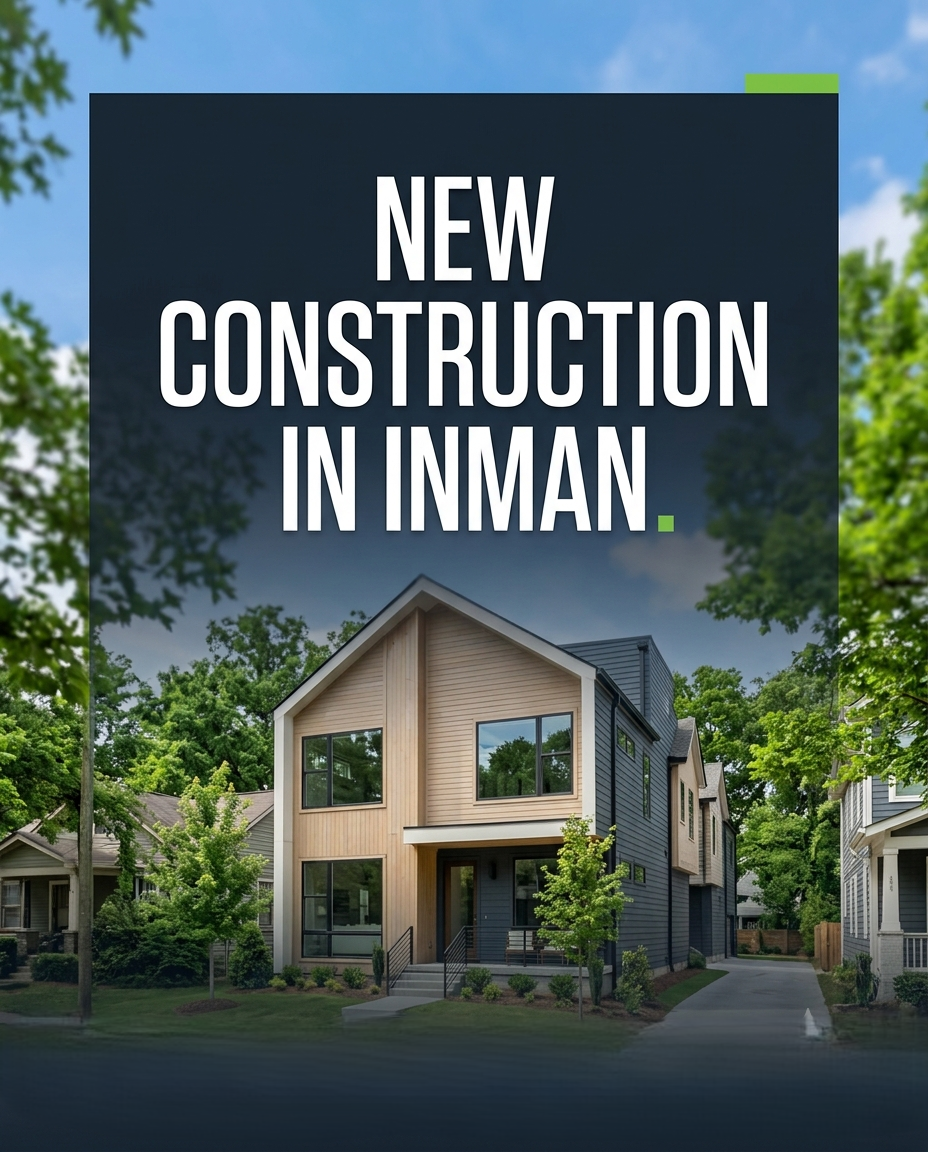
New Construction in Inman

Inman has been one of the quieter growth stories in Spartanburg County. Without the headlines of Boiling Springs or the BMW-driven attention of Duncan, Inman has steadily absorbed new construction at a pace that has changed the character of the area. If you are a buyer looking at new construction in this corner of the Upstate, Inman deserves a serious look alongside the more commonly discussed Spartanburg County markets.

Here is what I see in the Inman new construction market — what builders are offering, who is buying, and what to think about as you tour.

Why Inman Has Become a New Construction Destination

Several factors have made Inman attractive for builders and buyers alike.

Land availability is part of the answer. Inman sits in an area where larger parcels were still reasonably priced even as Boiling Springs filled in, which let production builders move in and build out new communities.

Lake Bowen access is a real draw. The lake forms a meaningful part of the area’s identity, and even buyers who do not want lakefront like being a short drive from the water. Lake Bowen homes sit in their own pricing tier; the surrounding Inman new construction is more accessible.

Schools are competitive. Spartanburg School District One serves much of the Inman area, and the schools draw consistent family interest.

Commute access works. I-26 is close enough to make trips to Spartanburg and Asheville reasonable. Highway 9 connects to the broader Spartanburg County employment corridor.

Price points have stayed accessible. Even with several years of appreciation, Inman new construction often runs more reasonable than equivalent inventory in Boiling Springs or Greer.
New Construction in Inman

The Types of New Construction You Will See

Inman new construction breaks into a few categories.

Production builder communities are the largest segment. Several national and regional builders have built out neighborhoods with master plans and amenity packages. Pricing typically anchors from the high $200s into the high $400s depending on plan, lot, and finish.

Lake-adjacent and lake-view new construction is its own segment, generally at higher price points and with more variation in floor plans. These communities often appeal to a different buyer pool — second-home buyers, retirees, and buyers specifically prioritizing the Lake Bowen lifestyle.

Custom and semi-custom new construction on larger acreage parcels also exists. These tend to be one-off builds or small developments and require more buyer involvement in the design process. Pricing varies widely.

55+ and active adult communities have started to appear, responding to the steady retiree demand in the area. Single-level floor plans, low-maintenance landscaping, and amenity packages focused on the active adult market.

The Communities to Know

A few of the more active new construction areas in and around Inman.

Inman new homes covers the active inventory across multiple builders and price points, and the variety has grown year over year.

Newer neighborhoods along the Highway 9 corridor and the connectors toward Lake Bowen have been particularly active. These communities tend to draw families and downsizers from both inside Spartanburg County and from out of state.

Lake-oriented communities along the Lake Bowen shoreline and the surrounding area attract a different buyer profile — generally with more interest in the lake lifestyle and willingness to pay premiums for water access or proximity.

Communities further out toward the rural edges of the Inman zip code offer larger lots and a more rural feel, often at lower price points but with longer drives to amenities.

Who Is Buying Inman New Construction

The buyer pool is broader than people expect.

Out-of-state relocators looking for affordable Upstate options with lake access continue to show up consistently. Many of these buyers compare Inman against larger markets like Boiling Springs or Greer and choose Inman for the combination of price and lake proximity.

Working families tied to Spartanburg County employers find Inman within a reasonable commute and at price points that match family budgets.

Retirees, particularly those drawn to Lake Bowen or to lower-maintenance new construction, have become a meaningful share of recent buyers.

Second-home buyers from Charlotte and Atlanta use Lake Bowen as a weekend property, with some choosing new construction in the immediate area rather than older lakefront homes.

Investors targeting single-family rentals have shown up in measured numbers. Rental demand is healthy without being overheated.

What to Watch When Touring

A few things specific to Inman new construction.

  • HOA structure varies significantly across communities. Some have minimal amenities and low dues; others have pools, clubhouses, and trail networks at higher price points. Match what you are paying for to what you will actually use.
  • Lot premiums are real. Two homes in the same community can carry different lot prices based on view, privacy, or lake proximity. Understand what you are paying for.
  • Builder incentives shift regularly. Rate buy-downs, closing cost credits, and standing-inventory discounts vary by builder and by season. Ask what the current package is and compare against multiple builders.
  • Warranty coverage is not the same across builders. Read what is actually covered, for how long, and what the post-closing response has been from other homeowners.
  • Phase pricing matters. Earlier phases in many of these communities sold at meaningfully lower prices than later phases. Understand where the community sits in its build-out.

The Lake Bowen Question

If lake access is part of why you are looking at Inman, the decision tree splits early. True lakefront property is its own conversation — meaningfully higher prices, more property to maintain, dock permitting questions, and insurance considerations specific to waterfront. Inman homes for sale shows the full picture across lakefront, lake-adjacent, and inland inventory.

For buyers who want the lake lifestyle without the lakefront premium, new construction communities a short drive from the water often offer the better math.

Practical Considerations

A few practical things to think through.

Growth pace has been real. New construction has accelerated, traffic has increased on the main corridors, and infrastructure has had to catch up. Drive your potential commute at actual rush hour.

School zoning has shifted as growth has continued. Verify current zoning for any specific address.

Utilities vary. Some new construction is on municipal water and sewer; some is on well and septic. Understand which one applies and what that means for ongoing costs.

Future development is ongoing. Talk to current residents about what is being planned nearby. Some growth adds amenities and supports values; some adds congestion without matching infrastructure.

The Long View

Inman is unlikely to slow down soon. Lake Bowen, the schools, the commute access, and the price points all line up to keep buyer demand strong. New construction in particular should continue to be a meaningful share of inventory for the next several years. For buyers thinking about a long-term home or a long-term investment in the area, the fundamentals are positive.

If you want to walk specific communities, compare floor plans across builders, or understand what incentives are currently available, that is exactly the kind of work an agent saves you time on. Reach out and we will put together a tour that fits what you are after.


Posted in For Buyers
June 26, 2026

Best Neighborhoods in Taylors

Taylors does not have a downtown. It does not have a city government in the traditional sense — it is an unincorporated community in Greenville County. And yet Taylors has become one of the most consistently in-demand suburbs on the eastern side of Greenville. Buyers land here for the schools, the older established neighborhoods, the reasonable price points compared to nearby Greer and Greenville, and the easy access to both downtown Greenville and the Pelham Road employment corridor.

If you are considering Taylors and trying to figure out which neighborhood actually fits, here is what I see as a working agent in this market and how the major areas compare.

Why Taylors Works for So Many Buyers

Taylors sits in a sweet spot geographically. East of downtown Greenville, west of Greer, north of the Pelham Road corridor, and within a reasonable drive of GSP airport. That central position means a lot of different commute patterns work from Taylors.

The schools are a major draw. Several of the Taylors-area schools rank well within Greenville County, and families regularly choose specific neighborhoods because of the zoned school.

Older established neighborhoods give Taylors a different character than the newer subdivisions further out in Greer or beyond. Mature trees, larger lots, sidewalks, and a sense of settled neighborhood life are part of the appeal.

Price points still work. Taylors generally runs more affordable than nearby Greer for comparable inventory, and meaningfully more affordable than equivalent Greenville neighborhoods.

The Established Suburban Neighborhoods

The bulk of Taylors inventory sits in established suburban neighborhoods built between the 1970s and 1990s. These tend to share a few characteristics:

  • Lot sizes are larger than newer construction
  • Mature landscaping and tree cover
  • Brick exteriors are common
  • Floor plans tend toward traditional, with formal living and dining rooms
  • HOAs vary in strictness and amenity offerings

These neighborhoods serve a wide range of buyers — first-time buyers stretching from condos and townhomes into single-family, move-up buyers from inside Greenville looking for more space and yard, and downsizers from larger Greer or rural-area homes.

Best Neighborhoods in Taylors

Newer Construction in the Taylors Area

Newer construction in and around Taylors tends to fill in along the connectors and the slightly outer edges. Production builders have been active here, particularly along the Wade Hampton and Highway 14 corridors that connect Taylors to Greer.

For buyers looking specifically at new construction, Greenville new homes is the broader inventory view, and a number of the active builder communities sit in or adjacent to the Taylors area. The trade-off is typical: newer construction at slightly higher per-square-foot prices, with modern floor plans and lower immediate maintenance.

The Better-Established Neighborhood Patterns to Look At

A few specific neighborhood patterns I see consistently in the Taylors market.

The neighborhoods near Lake Forest Drive and the surrounding streets offer a mix of 70s and 80s ranch and split-level homes on solid lots. School zones in this area are part of the draw, and inventory turns over with consistent demand.

Communities along the Suber Mill Road corridor lean toward newer construction and slightly higher price points. These attract families who want updated finishes without sacrificing the Taylors school zoning.

Neighborhoods near the Greer line offer a transition zone — some homes zoned to Greenville County schools, some to Spartanburg County depending on exact location. Verify the actual zoning for any specific property because the lines have shifted as growth has continued.

Older neighborhoods near the Edwards Mill area and surrounding streets offer some of the most affordable Taylors entry points, often with larger lots and homes that need updating. These reward buyers willing to put work into a home in exchange for getting into the school zone at a lower price point.

What to Check When Touring

Buying in Taylors has its own specific considerations.

  • Verify school zoning. Lines have shifted multiple times as the area has grown. Do not assume based on builder marketing or even an outdated listing description.
  • Walk the lot. Some Taylors neighborhoods have meaningful slope or drainage variability. Walk the property in different conditions if possible.
  • Inspect older systems. Many homes are decades old. Roofs, HVAC, electrical, and plumbing may need updates. Plan for it.
  • Look at HOA structure. Some neighborhoods have HOAs with strong covenants; others have minimal restrictions. Understand what you are buying into.
  • Drive commute patterns. Wade Hampton, East North Street, and the connectors all carry meaningful traffic at peak times. Test your potential commute at actual rush hour.

Where Taylors Fits Against Nearby Markets

Comparing Taylors against the surrounding options helps frame the trade-offs.

Greenville real estate further west and south offers more amenities, downtown access, and a more urban feel — at meaningfully higher per-square-foot prices in most neighborhoods.

Greer real estate to the east offers a real downtown, slightly different schools, and BMW proximity — at comparable or slightly higher price points in most segments.

Taylors wins for buyers prioritizing established neighborhoods, reasonable pricing, and central commute access. It loses for buyers who want a walkable downtown, newer construction concentration, or specific Greer school zoning.

Who Is Buying in Taylors

The buyer pool here is broader than people sometimes expect.

Families relocating from out of state who want a school zone, an established neighborhood, and reasonable pricing land here often.

Move-up buyers from inside Greenville looking for larger lots and yards while staying within reasonable commute distance.

First-time buyers stretching from townhomes and condos into single-family homes find Taylors more accessible than many Greenville options.

Downsizers from larger Greer or rural homes who want to be closer to amenities and within Greenville County school zones.

Investors targeting single-family rentals, particularly in the more affordable Taylors neighborhoods, show up consistently. Rental demand is steady because of the schools and the central location.

The Long View

Taylors has appreciated steadily over the long term because the fundamentals work. The schools draw families. The location works for commutes. The price points stay competitive against neighboring options. As long as those factors hold, Taylors remains one of the steadier markets on the eastern side of Greenville.

If you want to walk specific neighborhoods or compare a few Taylors homes side by side against options in Greer or elsewhere in Greenville, that is the kind of search where local knowledge matters. Reach out and we can put together a tour that fits how you actually want to live here.

Posted in For Buyers
June 25, 2026

Living in Lyman, SC

Lyman sits in a stretch of Spartanburg County that has changed dramatically over the last decade. Once a quiet mill town, Lyman has become part of the broader I-85 growth corridor between Greenville and Spartanburg. New residents are moving in, builders are building, and the local market has shifted from quiet to active in a way that has caught some people off guard.

If you are considering Lyman as a place to live, here is what life here actually looks like, who is moving in, and what to think about as you tour.

What Lyman Is

Lyman is a small town with deep mill-town roots. Pacolet Mills operated here for over a century before the textile industry left, and the legacy of that era still shapes parts of the town’s character — small bungalows, historic mill housing, and a downtown that has been finding its second wind.

The population is around 3,400 inside town limits, but the broader Lyman zip code includes a much larger surrounding area where most new construction is happening. The town sits on Highway 290, with quick access to I-85, putting it within a reasonable drive of BMW, the Inland Port, and the larger Greenville and Spartanburg job markets.

For buyers used to bigger cities, Lyman takes a beat to read. It is small. The pace is slower. The downtown is still developing. And that is precisely the appeal for many of the people moving here.

Living in Lyman, SC

Why Buyers Are Moving to Lyman

A few patterns I see consistently.

Affordability is the single biggest driver. Lyman remains one of the more affordable parts of the I-85 corridor between Greenville and Spartanburg. Families and first-time buyers find more square footage and larger lots here than in comparable markets closer to either city.

BMW and the Inland Port pull workers into the area. Lyman sits within an easy commute of both, and many of the families landing here are tied to one of those anchor employers.

Schools are competitive. Spartanburg County schools serve Lyman, and the specific zoned schools draw families looking for that combination of school quality and reasonable home prices.

Commuter access works. I-85 is close, and the commute to Greenville or Spartanburg is manageable from most Lyman addresses. For families where one parent works on each side, splitting the difference geographically often makes Lyman the right answer.

Growth is bringing new amenities. Restaurants, services, and retail have started to follow the housing growth. The Lyman of five years ago is not the same as the Lyman of today.

The Housing Market

Inventory in Lyman runs across a wider range than most outsiders expect.

Historic mill homes and older bungalows offer entry-level price points and character that newer construction cannot replicate. These homes often need updating but reward buyers who want to put work into them.

Resale homes from the 1990s and 2000s in established neighborhoods offer family-friendly floor plans and yards at reasonable prices. Many of these homes were built during earlier growth waves and continue to turn over with steady demand.

New construction has accelerated significantly. Production builders have moved into the area with townhome, single-family, and larger custom inventory. Boiling Springs homes for sale is a useful comparison point because much of the new construction in this corridor follows similar patterns and price expectations.

Acreage and rural properties are still available in the surrounding county areas, though they are getting harder to find as development pushes outward.

Who Is Choosing Lyman

The Lyman buyer profile has shifted significantly as the area has grown.

Working families tied to BMW, the Inland Port, or other Spartanburg County employers continue to be the largest segment. The combination of schools and affordable family-sized homes works for this group.

First-time buyers stretching to get into single-family homes find Lyman more accessible than markets closer to Greenville. The price-per-square-foot math still works here.

Move-up buyers leaving smaller homes in older Spartanburg County neighborhoods or in Greenville for more space and larger yards are a consistent presence.

Out-of-state relocators looking for affordable Upstate options on the I-85 corridor have started to discover Lyman over the past several years. Many compare it against Duncan, Greer, and Spartanburg real estate before landing here.

Investors targeting single-family rentals near major employers have shown up in measured numbers. Rental demand is healthy without being overheated.

Practical Considerations

A few things specific to Lyman worth thinking through.

Older homes carry older systems. Many of the bungalows and historic homes have wiring, plumbing, and HVAC dating to decades back. Plan thorough inspections and budget for potential updates.

Lot conditions vary. Some properties run on private wells or have septic systems even within the town’s broader area. Verify utilities for any specific home.

Growth comes with traffic. Highway 290 and the local connectors have absorbed significant new traffic. Drive your potential commute at actual rush hour rather than off-peak.

School zone lines can shift as growth continues. Verify current zoning for any specific address rather than relying on a builder’s marketing.

Insurance considerations matter for older homes. Distance to fire stations, age of construction, and outbuildings all factor in. Get a real quote during the inspection period.

Where Lyman Fits in the Broader Upstate

If you are comparing Lyman against nearby markets, a few useful contrasts emerge.

Duncan and the broader I-85 corridor offer similar growth dynamics with slightly higher price points and more new construction concentration. Greer real estate further west offers stronger schools and more amenities at higher price points. Boiling Springs north offers a more established residential character with slightly higher pricing. Spartanburg east offers a real downtown and historic neighborhoods at varying price points depending on the area.

Lyman wins for buyers prioritizing affordability and a small-town feel while still being inside the I-85 employment corridor. It loses for buyers who want urban density, walkable amenities, or established luxury inventory.

The Long View

Lyman is in the middle of a real growth cycle. The fundamentals — affordability, employers, schools, location — all point to continued demand. The next several years will likely keep bringing new construction, new residents, and continued upward pressure on values. Buyers entering now are paying more than they would have five years ago, but the underlying picture supports the prices.

If you want to walk specific properties or compare Lyman to other Upstate options, that is the kind of conversation worth having with someone who knows the local market. Reach out and we can put together a tour that fits how you actually want to live here.

June 24, 2026

When Is the Best Time to Sell My Greenville, SC Home?

The timing question on selling a Greenville home is one of the most common conversations I have with sellers. Everyone has heard that spring is the best time to sell, and that is largely true. But the specifics matter — what type of home you own, what neighborhood you are in, what your buyer pool looks like, and how the broader market is moving. The answer is rarely just “list in April.” It is usually more nuanced.

Here is how I think about timing for Greenville sellers and what to consider as you weigh when to list.

The Standard Answer and Why It Holds

For most Greenville single-family homes, late winter through early summer remains the strongest selling window. February through June consistently delivers the most buyer activity, the shortest days on market, and the strongest pricing power.

The reasons are familiar. Spring brings out the largest buyer pool. Families relocating for jobs want to be settled before the next school year. Out-of-state buyers do most of their touring when the weather is pleasant. Yards look their best, which matters for a Greenville home where landscaping and outdoor space are part of the appeal. Daylight stretches longer, which extends showing windows.

If you can list during this window, you generally benefit from competition that exists at no other time of year.

The Mid-Summer Slowdown

July and August see a measurable softening in most Greenville neighborhoods. Heat, vacations, and the rush to be settled before school all push activity earlier or later. Sellers who list in mid-summer often see slower showings and fewer competitive offers.

There are exceptions. Higher-end homes, second-home properties, and homes that appeal heavily to buyers without school-age children can perform fine in mid-summer. But for the bulk of family-oriented Greenville inventory, this is the softest stretch of the active season.

The Fall Window

September and October see a secondary uptick. Some of this is buyers who missed the spring window and want to be settled before the holidays. Some is corporate relocation that runs on a different fiscal cycle. Some is downsizers who are not bound by the school calendar.

Fall in Greenville is reasonable but not as strong as spring. Pricing power is more modest, days on market run slightly longer, and buyer urgency is lower. Well-prepared homes still sell well. Aggressively priced homes still get multiple offers. But the dynamic is different.

Winter Sales in Greenville

The November-through-January window is the weakest. Showings drop, inventory thins, and the buyer pool consists more heavily of relocations, estate sales, and serious life-event-driven buyers.

The flip side is that the buyers who are out in winter are usually serious. They close quickly, they have flexibility, and they are not browsing. For sellers who have to list in winter, the smaller buyer pool can still produce a clean sale if pricing and marketing are right.

The Neighborhood Question

Greenville is not one market. Downtown adjacents, North Main, Augusta Road, Cleveland Park, Eastside, Hartness, Five Forks — each has its own micro-market with its own timing patterns.

In general:

  • Established in-town neighborhoods see the strongest spring activity but also have year-round demand from buyers who want a specific area
  • Newer suburban neighborhoods follow the seasonal pattern more closely, with stronger spring and weaker winter performance
  • Luxury neighborhoods see less seasonal variation and more variation tied to broader economic and interest rate cycles
  • Neighborhoods near downtown amenities or specific schools have more consistent demand throughout the year

Greenville homes for sale shows the breadth of inventory and the variety in active listings, which is part of why timing has to be matched to the specific property.

New Construction Sellers

If you are selling a newer home and there is significant active new construction nearby, the timing math shifts. Buyers in your price range may be choosing between resale and new build, and builders can adjust incentives quickly. Selling against active new construction means understanding what builders are offering in incentives and pricing your home to compete.

Greenville new homes shows the active builder inventory. If your home sits in or near these communities, look at what is moving and what is sitting before you set your listing price.

Luxury Homes Move Differently

The luxury Greenville segment runs on its own cycle. Greenville luxury homes sees more variation tied to broader economic conditions, stock market performance, and interest rates than to season.

Luxury buyers are often cash buyers or have flexibility on timing. The right time to sell a luxury home is when you have the right preparation, the right photography, and the right pricing strategy. A perfectly prepared luxury home in November can outperform a poorly prepared one in April.

Market Cycle vs. Season

The bigger question for most sellers is not which month, but where the market currently sits. Inventory levels, buyer urgency, interest rate direction, and broader economic conditions all matter more than the calendar.

A few questions worth thinking through:

  • What does current inventory look like in your specific neighborhood and price range?
  • What are recent comparable sales showing? How do they compare to listings that are still sitting?
  • Where are interest rates likely to go in the next six months?
  • Are there major employer announcements or developments that could shift demand?

A local agent who knows the specific neighborhood and price band your home sits in will give you a better answer than a generic calendar rule.

When Is the Best Time to Sell My Greenville, SC Home

What to Do If You Cannot Wait

If life requires you to sell on a non-ideal timeline, the response is to prepare exceptionally well. The penalty for selling outside the peak season is more about the number of showings and the speed of offers than the final price. A well-prepared, well-priced home in November can still sell cleanly.

A few things that help outside the peak window:

  • Professional photography and videography
  • Realistic pricing based on current comparable sales
  • Flexibility on showing times for the smaller buyer pool
  • Strong online marketing, since fewer buyers means each one needs to be reached deliberately
  • Pre-listing inspection if there is any uncertainty about condition

The Bottom Line

Spring is the strongest window for most Greenville homes. Fall is reasonable. Mid-summer and winter are weaker but workable with the right preparation. The market cycle and the specific neighborhood matter more than the calendar month for most sellers.

If you want to look at what your specific home is likely to do at different times of year, that is the kind of conversation worth having with someone who knows the comparable sales and the current inventory in your area. Reach out and we can walk through your specific timing options.

Posted in For Sellers
June 23, 2026

When Is the Best Time to Sell My Simpsonville, SC Home?

Simpsonville has been one of the most consistently in-demand markets in the Greenville suburbs for years. The combination of strong schools, family-oriented neighborhoods, reasonable commute to downtown Greenville, and steady new construction has kept demand high. For sellers, that demand has translated into strong sales most of the time. But timing still matters, and timing right can mean the difference between a fast clean sale and a longer process.

Here is how I think about timing in the Simpsonville market and what to consider as you decide when to list.

The School Calendar Drives Everything

Simpsonville is family country. Buyers come here for the schools, the family-friendly neighborhoods, and the suburban lifestyle. That means the school calendar drives almost everything about the timing of the housing market.

Buyers want to identify a home in February, March, or April. They want to be under contract by April or May. They want to close in May, June, or July. They want to be moved in and settled before the first day of school in August.

That timeline means February through May is the strongest listing window for most Simpsonville homes. February catches the early-bird serious buyers. March and April catch peak buyer activity. May still works but starts to compress the closing timeline.

Listing in February: An Underrated Window

Most sellers think of March or April as the start of the spring market. February is often overlooked but can be one of the strongest months to list in Simpsonville.

The reason is competition. By March and April, inventory has caught up with demand. Buyers have multiple options. Listings face direct competition from similar homes.

In February, fewer sellers have listed. The buyers who are out shopping are serious — they have been preparing for months, they know what they want, and they are ready to make decisions. A well-prepared home listed in February often catches these serious buyers before peak inventory hits.

The trade-off is that the total buyer pool is smaller in February than in April. But the conversion rate from showing to offer tends to be higher.

When Is the Best Time to Sell My Simpsonville, SC Home

Peak Spring Activity

March through early May represents peak activity in Simpsonville. The largest buyer pool, the most showings, the most competitive offers. Days on market are shortest. Multiple offers happen on well-prepared, reasonably priced homes.

The downside of peak season is competition. Your home is being compared against the largest pool of similar homes for sale. Pricing has to be sharp, preparation has to be strong, and marketing has to stand out.

Mid-Summer Softening

By late June and into July and August, the family-buyer urgency starts to fade. Families who needed to be settled for school are mostly committed. Vacations slow down tour schedules. Showings drop, and pricing power weakens.

Mid-summer in Simpsonville is the softest stretch of the active season. The exception is buyers with non-school-calendar timelines — corporate relocations on different fiscal cycles, military families, downsizers, and second-home buyers. These buyers continue to shop, but the volume is much lower than spring.

The Fall Window

September and October see a measurable secondary bump. Some of this is families who missed spring and want to be settled before the holidays. Some is corporate relocations. Some is empty nesters and downsizers shopping on their own calendar.

Fall in Simpsonville is reasonable but less competitive than spring. Pricing power is more modest. Sellers benefit from less competition from other listings, but they also see fewer buyers. The math can still work for well-prepared homes.

Winter and the Year-End Slowdown

November through January is the slowest stretch. Showings drop substantially. The buyer pool consists mostly of relocations, life-event-driven sales, and out-of-state buyers who shop year-round.

For sellers who must list in winter, the smaller buyer pool can still produce a clean sale. Winter buyers tend to be serious, well-qualified, and looking to close quickly. The trade-off is reduced pricing power and longer days on market.

New Construction and How It Affects Resale Timing

Simpsonville has significant active new construction, and that affects resale seller timing. Simpsonville new construction competes directly with resale inventory in many price ranges. When builders offer significant incentives, resale sellers have to adjust.

If you are selling a resale home in or near active new construction, look at what builders are offering before setting your listing price. Builder incentives can be substantial — rate buy-downs that effectively reduce price by tens of thousands, closing cost credits, or base price reductions on standing inventory.

Luxury Simpsonville Homes

The higher end of the Simpsonville market — particularly in Five Forks, the gated communities, and the established luxury neighborhoods — runs on a slightly different cycle. Simpsonville luxury homes sees less seasonal variation than the broader market.

Luxury buyers are less calendar-driven, more frequently relocating from larger metros, and often buying second homes or with significant flexibility on timing. The right time to sell a luxury Simpsonville home is when preparation, photography, and pricing align well.

The Market Cycle Question

Beyond the season, the market cycle matters significantly. Simpsonville homes for sale shows what active inventory looks like at any given time, and that competition matters as much as the calendar.

A few questions worth thinking through:

  • What is current inventory in your specific neighborhood and price range?
  • What are recent comparable sales showing?
  • Are interest rates trending helpfully?
  • Is there active new construction nearby affecting buyer choices?

These factors often matter more than the season for individual sellers.

If You Cannot Wait for Spring

Sometimes life requires selling on a non-ideal timeline. The response is to prepare exceptionally well. The penalty for selling outside spring is mostly in the speed of offers and the number of showings, not in the final price. A well-prepared, well-priced Simpsonville home will sell in any season.

A few things that help outside the peak window:

  • Professional photography and videography
  • Realistic pricing based on current comparable sales
  • Flexibility on showing times to accommodate the smaller buyer pool
  • Strong online marketing
  • Pre-listing inspection to address buyer concerns proactively

The Bottom Line

For most Simpsonville homes, February through May is the strongest selling window. February is underrated. Peak activity is March through April. Fall is reasonable. Mid-summer and winter are weaker but workable.

The school calendar drives more of the timing math here than in many other Upstate markets. New construction competition is a real factor for many sellers. The market cycle matters alongside the season.

If you want to look at what your specific Simpsonville home is likely to do at different times of year, that conversation is worth having with someone who knows the comparable sales and current inventory in your area. Reach out and we can work through your specific timing options.

Posted in For Sellers
June 22, 2026

When Is the Best Time to Sell My Spartanburg, SC Home?

The Spartanburg housing market is more varied than most outsiders realize, and that affects the timing decision for sellers in important ways. You have downtown loft buyers, historic-neighborhood enthusiasts, BMW-adjacent buyers, families chasing specific school zones, college-related buyers tied to Wofford and Converse, and out-of-state retirees and investors. Each segment behaves differently, and the right time to sell depends on which segment your home appeals to.

Here is how the timing question actually plays out across Spartanburg’s housing market and what to think about as you weigh when to list.

The Standard Spring Pattern

For the bulk of Spartanburg single-family inventory, the spring pattern holds. February through June is the strongest selling window. Family buyers tied to the August school start drive most of this activity. Out-of-state buyers do most of their touring during this stretch. Days on market run shortest, and pricing power is strongest.

If you can list during this window, you generally benefit from the largest buyer pool and the most competitive activity. But the specifics depend on what kind of home you own and where it sits.

Downtown and Historic Neighborhood Timing

Spartanburg’s downtown and the surrounding historic neighborhoods — Converse Heights, Hampton Heights, Drayton Mills, and similar areas — appeal to a buyer pool that is less family-driven and less tied to the school calendar.

Downtown loft and condo buyers include young professionals, downsizers, second-home owners, and people who specifically want the historic district lifestyle. These buyers shop more consistently year-round. The spring premium exists but is less dramatic.

Historic neighborhood homes can outperform standard seasonal expectations because the buyer pool is smaller, more specific, and willing to wait for the right home. Selling these homes is less about timing and more about preparation and the right marketing to reach the niche buyer.

Family-Oriented Suburban Neighborhoods

Neighborhoods further out — toward Boiling Springs, the eastside, and the western edges — follow the school calendar pattern more strictly. Spring is dramatically stronger than fall or winter. Mid-summer is a known soft spot. Families want to be settled before August.

For these areas, listing in February or early March often catches the first wave of serious buyers without competing against peak spring inventory.

Luxury Spartanburg Homes

Higher-end Spartanburg homes — particularly those in established communities and historic luxury properties — see less seasonal variation. Luxury buyers are less calendar-driven, often paying cash, and frequently relocating from larger metros or buying second homes.

For luxury sellers, the right time to sell is when the home is exceptionally prepared, the photography is right, and the pricing reflects the current market. A well-prepared luxury home in October can outperform a poorly prepared one in May.

BMW and Employer-Driven Demand

BMW and the broader Spartanburg County employer base create a steady undercurrent of demand that runs year-round. Engineers, technicians, supply chain managers, logistics professionals — these buyers do not always follow the family school calendar.

For homes in price ranges that appeal to BMW-related buyers, demand stays more consistent across seasons. Spring is still strongest, but the secondary windows in fall and even winter can be more productive than the broader market average.

When Is the Best Time to Sell My Spartanburg, SC Home?

Investor and Out-of-State Buyer Patterns

Spartanburg attracts steady investor activity, particularly for single-family rentals in the appropriate price ranges. Investors shop year-round and tend to be flexible on timing.

Out-of-state buyers also show up consistently, with particular concentration in spring and fall. Many of these buyers are relocating, retiring, or buying second homes, and they do their tours when they can travel.

Inventory and Market Cycle

The market cycle matters as much as the season. Spartanburg real estate shows what active inventory looks like at any given time, and the level of competition in your specific neighborhood and price range matters significantly.

A few cycle-related questions worth thinking through:

  • What does current inventory look like in your specific area?
  • What are recent comparable sales showing? Look at Spartanburg just sold homes for recent data
  • How are days on market trending?
  • What is the active listing competition? Spartanburg just listed inventory shows what is coming into the market
  • Are interest rates moving in a helpful or harmful direction?

These questions matter more than the calendar month for most Spartanburg sellers.

Mid-Summer and Winter Realities

July and August see a measurable softening across most of Spartanburg’s residential market. The exception is homes appealing to college-related buyers — Wofford and Converse parents, faculty, and graduate students — who often shop in summer for fall arrivals.

November through January is the slowest window. Showings drop, the buyer pool thins, and pricing power is reduced. Sellers who must list in this window do best with strong preparation, realistic pricing, and patience.

The flip side: winter buyers are usually serious. Estate sales, divorces, relocations, and corporate transfers continue to happen. The smaller pool of buyers shopping in December often closes faster than spring buyers comparing dozens of homes.

If You Are Selling Outside the Peak Window

When timing is dictated by life rather than market conditions, the response is to prepare exceptionally well. A few things that matter more outside the peak window:

  • Professional photography and videography
  • Realistic pricing based on current comparable sales
  • Flexibility on showing times
  • Strong online marketing to reach a smaller buyer pool
  • Pre-listing inspection to remove buyer hesitation

The penalty for selling outside spring is mostly in the speed of offers and the number of showings, not in the final price. A well-prepared, well-priced Spartanburg home will sell in any season.

The Spartanburg-Specific Question: Which Buyer Are You Selling To?

This matters more in Spartanburg than in some other Upstate markets because of how varied the buyer pool is. Selling a historic home in Converse Heights is a different conversation than selling a family home near Reidville Road or a townhome in downtown. Each has its own buyer profile, its own seasonal pattern, and its own marketing approach.

The right starting question is: who is the most likely buyer for my specific home? Once that is clear, the right timing follows.

The Bottom Line

Spring is the strongest window for most Spartanburg homes, but the variation across segments is real. Downtown and historic homes are less seasonal. Luxury homes follow their own cycle. Family-oriented suburban inventory follows the school calendar most strictly. BMW-related demand provides year-round support.

If you want to look at what your specific home is likely to do at different times of year, that conversation is worth having with someone who knows the Spartanburg micro-markets. Reach out and we can walk through the comparable sales and current inventory specific to your home.

Posted in For Sellers
June 22, 2026

New Construction Boom in Woodruff

Woodruff has been one of the most surprising growth stories in the Upstate over the past several years. A small town in southeastern Spartanburg County that most outsiders had not heard of has become a real new construction market, with production builders, families, and out-of-state relocators driving demand that has reshaped the area’s housing inventory.

If you are considering new construction in Woodruff, here is what I see as a working agent in this market — why builders moved in, what types of communities you will find, and what to think about as you tour.

Why Woodruff Became a New Construction Market

Several factors line up to explain the building boom.

Land availability was the foundational reason. As Boiling Springs, Duncan, and the inner Spartanburg County markets filled in, builders looking for larger parcels and easier permitting moved south to Woodruff. Lot prices were significantly more reasonable, and the regulatory environment was friendlier for large-scale development.

Commute access to multiple employment centers works from Woodruff. The town sits within reasonable distance of Spartanburg, Greenville, and the I-26 corridor heading toward the Inland Port and the broader logistics hub. For families where parents work in different directions, Woodruff often splits the difference geographically.

Schools draw families. Spartanburg County District Four serves much of the Woodruff area, and the schools have grown alongside the population. Families relocating from out of state often choose Woodruff specifically for the schools.

Price points still work. Even after several years of new construction activity, Woodruff inventory typically runs more accessible than equivalent inventory in Boiling Springs or Greer.


The Types of Communities You Will See

Woodruff new construction breaks into a few clear categories.

Production builder communities are the largest segment. National and regional builders have built out neighborhoods with master plans, amenity packages, and broad floor plan selections. These tend to anchor in the high $200s to mid $400s for most plan options.

Townhome communities have grown as builders respond to first-time buyer and downsizer demand. These typically run from the mid $200s into the low $300s.

Custom and semi-custom new construction on larger acreage parcels also exists. These tend to be one-off builds or small developments and require more buyer involvement in the design process.

55+ communities are starting to appear, responding to retiree demand and aging-in-place needs.

Where to Start

If you are searching specifically for Woodruff, Woodruff homes for sale covers both new construction and resale inventory in the area.

Buyers comparing Woodruff against the broader Spartanburg market often find meaningful price gaps. Spartanburg real estate runs higher per square foot in most segments, with the trade-off being closer proximity to downtown amenities and historic neighborhood options.

For buyers willing to look across the broader Greenville-area new construction market, Greenville new homes opens up inventory across multiple suburbs at various price points. The geographic decision matters; pricing, schools, and commute all shift meaningfully across these markets.

What to Watch When Touring

A few things specific to Woodruff new construction.

  • HOA structure varies significantly. Some communities have minimal amenities and low dues; others have pools, clubhouses, and trail networks. Match what you are paying for to what you will actually use.
  • Lot premiums are real. Two homes in the same community can carry different lot prices based on view, privacy, or cul-de-sac position.
  • Builder incentives shift regularly. Rate buy-downs, closing cost credits, and standing-inventory discounts vary by builder and by season. Ask what the current package is and compare.
  • Warranty coverage is not the same across builders. Read what is actually covered, for how long, and what the post-closing response has been from other homeowners.
  • Phase pricing matters. Earlier phases often sold at lower prices than later phases. Understand where the community sits in its build-out.

Who Is Buying Woodruff New Construction

The buyer pool is broader than people expect.

Out-of-state families relocating for jobs in Spartanburg or Greenville continue to land here. The combination of new construction, schools, and reasonable price points works for relocating families.

First-time buyers stretching to get into single-family homes find Woodruff more accessible than markets closer to the bigger Upstate cities.

Move-up buyers leaving smaller homes in older Spartanburg County neighborhoods or in Greer for more space and newer construction.

Investors targeting single-family rentals have shown up in measured numbers as the rental market in the area has developed alongside the housing growth.

Practical Considerations

A few practical things specific to Woodruff.

Growth pace has been real. Traffic has increased on Highway 101 and the local connectors. Drive your potential commute at actual rush hour rather than off-peak.

School zoning has shifted as growth has continued. Verify current zoning for any specific address rather than relying on a builder’s marketing materials.

Utilities vary. Some new construction is on municipal water and sewer; some is on well and septic depending on exact location. Understand which one applies.

Future development is ongoing. Talk to current residents and check city planning resources to understand what may be coming next near your potential home.

The Long View

Woodruff is unlikely to slow down soon. Land availability, schools, commute access, and price points all line up to keep buyer demand strong. New construction will likely continue to be a meaningful share of inventory for the next several years. For buyers thinking about a long-term home or a long-term investment, the fundamentals are positive.

If you want to walk specific communities, compare floor plans across builders, or understand what incentives are currently available, that is exactly the kind of work an agent saves you time on. Reach out and we will put together a tour that fits what you are after.

Posted in For Buyers
June 19, 2026

New Construction Communities in Fountain Inn

Fountain Inn has gone from a quiet small town at the southern edge of Greenville County to one of the most active new construction markets in the Upstate. Production builders have committed heavily here over the past several years, and the result has been a wave of new communities reshaping what Fountain Inn looks like and who is choosing to live here.

If you are considering new construction in Fountain Inn, here is what I see as a working agent in this market — which builders are active, what the communities actually offer, and what to think about as you tour.

Why Fountain Inn Has Become a New Construction Hub

Several factors lined up to make Fountain Inn one of the strongest new construction markets in the Upstate.

Land availability is the foundational reason. As Simpsonville, Mauldin, and the inner Greenville suburbs filled in, builders looking for larger parcels and easier permitting moved south to Fountain Inn. Lot prices were more reasonable, and the regulatory environment was friendlier for large-scale development.

Schools have been a major draw. Families relocating from out of state or from inside Greenville’s denser suburbs often choose Fountain Inn specifically because of the schools and the family-oriented feel.

Commute access works. I-385 makes the trip into downtown Greenville reasonable for most workers. Highway 14 and the surrounding roads have absorbed steady growth without becoming as congested as some northern Greenville corridors.

Price points have stayed competitive. Even after several years of appreciation, new construction in Fountain Inn typically runs less per square foot than equivalent inventory in Simpsonville or closer to Greenville.

The Types of Communities You Will See

New construction in Fountain Inn breaks into a few clear categories.

Production builder communities are the largest segment. National and regional production builders have built out neighborhoods with master plans, amenity packages, and broad floor plan selections. These tend to anchor in the high $300s to mid $500s for most plan options, with upgrades stretching prices higher.

Townhome communities have grown as a segment. Builders responding to first-time-buyer demand and downsizer interest have added townhome inventory at lower entry price points. These typically run from the mid $200s into the mid $300s depending on size and finish.

Custom and semi-custom communities are smaller in number but present. These tend to offer larger lots, higher-end finishes, and more architectural variety. Pricing varies widely based on lot size, plan, and finish level.

55+ and active adult communities have started to show up. Builders responding to retiree demand have added age-restricted offerings with single-level floor plans, lower-maintenance landscaping, and amenity packages focused on the active adult market.

New Construction Communities in Fountain Inn

What to Look at When Touring

Fountain Inn new construction has the same questions as new construction elsewhere, plus a few specific to this market.

  • HOA structure and dues. Communities vary dramatically. Some have low dues and limited amenities; others charge more for pools, clubhouses, trails, and gathering spaces. Plan for which one you will actually use.
  • Lot premiums. Two homes in the same community can carry very different lot prices based on view, privacy, or cul-de-sac position. Understand what you are paying for.
  • Builder incentives. Some builders offer significant rate buy-downs, others lean into closing cost credits, others discount standing inventory. The total package matters more than the headline price.
  • Warranty coverage. Read what the builder actually covers and for how long. Talk to other homeowners in the community about their post-closing experience.
  • Phase pricing. Earlier phases often sold at lower prices than later phases. Understand where the community is in its build-out and what that means for future appreciation.

Where to Start

If you are searching specifically for Fountain Inn, Fountain Inn homes for sale is the starting point and covers both new construction and resale inventory.

Buyers comparing Fountain Inn against nearby Simpsonville often find the price gap meaningful. Simpsonville new construction offers a different mix of communities, generally at slightly higher price points, with closer proximity to Five Forks amenities. For families looking across both markets, comparing specific floor plans side by side is usually more useful than comparing markets in the abstract.

For the broader Greenville-area new construction picture, Greenville new homes opens up the inventory across multiple suburbs and communities at various price points.

Who Is Buying Fountain Inn New Construction

The buyer pool here is broader than many people expect.

Out-of-state families relocating for jobs in Greenville, Mauldin, or Simpsonville continue to land here in large numbers. The combination of schools, new construction, and reasonable price points works for relocating families.

First-time buyers stretching to get into single-family homes find Fountain Inn more accessible than the inner suburbs. Production builder townhomes and entry-level single-family plans serve this segment.

Move-up buyers leaving smaller homes in Greer, Mauldin, or Greenville for more space, larger yards, and updated finishes are a consistent presence.

Downsizers looking for low-maintenance new construction in 55+ communities are a growing segment.

Investors targeting single-family rentals near major Upstate employers do show up here, though investor activity is more measured in new construction than in resale.

Practical Considerations

A few practical things to think about specifically in Fountain Inn.

Growth pace matters. The town has grown quickly, and that has put pressure on schools, roads, and infrastructure. Verify current school zoning for any specific address, and drive your potential commute at actual rush hour.

Future development is ongoing. New phases, new communities, and new commercial development are in various planning stages. Talk to current residents and check city planning resources to understand what may be coming next near your potential home.

Builder reputations matter. Not all production builders deliver the same quality. Read reviews, talk to current homeowners, and look at recent close-out homes to see what the actual finished product looks like.

Resale value depends on more than the community amenities. Floor plans that age well, lot positions, and proximity to long-term-anchored amenities all affect future resale.

The Long View

Fountain Inn is not slowing down. The land availability, the schools, the price points, and the commute access all line up to keep buyer demand strong. The next several years will likely bring more new construction, more retail, and continued growth. For buyers thinking about a long-term family home or a long-term investment in the area, the fundamentals are positive.

If you want to walk specific communities, compare floor plans side by side, or understand what builders are currently offering in incentives, that is the kind of work an agent can save you significant time on. Reach out and we can put together a tour that fits what you are looking for.

Posted in For Buyers
June 18, 2026

When Is the Best Time to Sell My Boiling Springs, SC Home?

If you own a Boiling Springs home and you are thinking about selling, the timing decision has its own specific math. Boiling Springs has shifted into a primary destination market in its own right, but it remains heavily family-oriented, school-zone-driven, and tied to the broader Spartanburg County employer base. Each of those factors affects when your home is most likely to sell well.

Here is what I see consistently in this market and how to think about when to list your Boiling Springs home.

Why Boiling Springs Sells on a School Calendar

The single biggest pattern in Boiling Springs is the school calendar. Families buying here are usually buying for the schools. That means they want to be settled before the next school year starts.

The practical result is that listings going on the market in February, March, and April consistently see the strongest activity. Buyers want to identify a home, get under contract by April or May, close by June or July, and be moved in before the August school start.

If you can list during that window, you typically benefit from the largest pool of family buyers and the most competitive activity.

The Spring Window in Detail

A more granular view of the spring window:

  • February: Strong serious buyers, fewer showings overall, lower competition from other listings
  • March: Activity ramps up, more buyers, more showings, multiple offers become common
  • April: Peak activity in most years, strongest competitive dynamics
  • May: Still strong but timeline pressure starts to push some buyers to slightly less ideal homes if their must-haves are not on the market
  • June: Activity continues, but buyers without a clear front-runner start to feel pressure about closing timelines

If you can get your home prepared and listed in February or early March, you often catch the early serious buyers without competing against the peak inventory.

When Is the Best Time to Sell My Boiling Springs, SC Home

Mid-Summer and Why It Softens

July and August in Boiling Springs see a measurable softening. Families who needed to be settled for school are largely committed by this point. Vacations slow down tour schedules. Showings drop, days on market lengthen, and pricing power weakens.

The exception is buyers whose timeline did not align with the school calendar — corporate relocations on different fiscal years, military families on PCS orders, divorces, and estate sales. These buyers continue to shop, and they often close cleanly.

The Fall Window

September and October see a secondary bump. Some of this is residual relocation. Some is buyers who missed the spring window and want to be settled before the holidays. Some is buyers without school-age kids who shop on a different cycle.

Fall in Boiling Springs is workable but less competitive than spring. Sellers who list in this window benefit from less competition from other listings, but they also see fewer buyers. The math can still work, particularly for sellers with well-prepared homes and realistic pricing.

Winter Sales

November through January is the weakest window in Boiling Springs. Showings drop substantially. The buyer pool consists heavily of relocations, life-event-driven sales, and out-of-state buyers who shop year-round.

For sellers who have to list in winter, the smaller buyer pool can still produce a clean sale. The buyers shopping in winter tend to be serious, well-qualified, and looking to close quickly. The trade-off is that pricing power is reduced and competitive offers are less common.

New Construction Is the Wild Card

Boiling Springs has significant active new construction, and that affects timing for resale sellers. Boiling Springs new homes compete directly with resale inventory in many price ranges. When builders offer significant incentives — rate buy-downs, closing cost credits, base price reductions — resale sellers have to adjust.

If you are selling a resale home and there is significant active new construction in your immediate area, the timing math shifts. You may benefit from listing slightly earlier than you would otherwise to get ahead of builder seasonal incentives, or you may want to wait until builders have moved through their current inventory before listing.

Family Homes vs. Other Segments

Most Boiling Springs inventory is single-family family-oriented homes. Those follow the school calendar pattern.

If you are selling a different type of property, the timing math differs:

  • Patio homes and Boiling Springs condos appeal to a different buyer pool — downsizers, retirees, first-time buyers — and the seasonal pattern is less pronounced
  • Larger luxury homes appeal to a broader buyer pool and see less seasonal variation
  • Homes in 55+ communities see year-round demand from retirees, with peak activity often in spring and early fall

The Market Cycle Question

Beyond the season, the market cycle matters significantly. Boiling Springs has appreciated steadily, demand has remained strong from out-of-state buyers and Spartanburg County workers, and inventory has stayed relatively tight.

A few questions worth thinking through:

  • What does current inventory look like in your neighborhood?
  • What are recent comparable sales showing?
  • Are interest rates trending in a helpful or harmful direction?
  • Is there active new construction nearby that affects buyer choices?

Boiling Springs homes for sale is a good way to see what active inventory looks like in your area at any given time.

If You Cannot Wait for Spring

If you have to sell on a non-ideal timeline, focus on preparation and pricing. A well-prepared, well-priced Boiling Springs home will sell in any season. The penalty for selling outside the peak window is mostly in the number of showings and the speed of offers, not in the final price.

A few things that help outside spring:

  • Professional photography
  • Pricing based on current comparable sales, not last year’s data
  • Flexibility on showing times
  • Pre-listing inspection if there is any uncertainty about condition
  • Strong online marketing to reach the smaller buyer pool effectively

The Bottom Line

For most Boiling Springs homes, late winter through early summer is the strongest window. Fall is reasonable. Mid-summer and winter are weaker but workable with the right preparation. The market cycle, the new construction landscape, and the specific neighborhood matter alongside the season.

If you want to look at what your home is likely to do at different times of year, that conversation is worth having with someone who knows the comparable sales and current inventory in your specific area. Reach out and we can walk through it together.

Posted in For Sellers
June 17, 2026

Living Near Wofford College: A Buyer’s Guide

Wofford College has shaped the housing market around it for over a century. The neighborhoods within walking distance of campus carry a specific character — historic, walkable, college-adjacent — and the buyer pool that focuses on this area is more specific than the broader Spartanburg market. If you are considering buying a home near Wofford, the questions are different from what you would ask buying somewhere else in the city.

Here is what I see as a working agent in this market and what to think about as you start looking.

Who Buys Near Wofford

The buyer pool for homes within easy reach of Wofford breaks into a few distinct groups.

College faculty and administrators who want to walk or bike to campus and value the historic character of the surrounding neighborhoods.

Parents buying property for student housing during their child’s time at Wofford, with plans to use it as a rental or sell it after graduation.

Alumni who fell in love with Spartanburg during their college years and have come back to settle, often into one of the historic neighborhoods near campus.

Downtown Spartanburg professionals who like the proximity to Wofford’s academic events, athletics, and the cultural life that comes with a residential college.

Empty nesters and downsizers from the surrounding Spartanburg suburbs who want to be close to downtown amenities and the lifestyle that comes with living near a college campus.

Each of these buyer profiles values the area for slightly different reasons, but they share a preference for the walkable, historic feel of the neighborhoods around the college.

The Neighborhoods Within Walking Distance

The areas surrounding Wofford include some of Spartanburg’s most distinctive historic neighborhoods.

The blocks immediately adjacent to campus along Church Street and Magnolia Street include some of the oldest housing stock in the city. These homes range from well-preserved Victorian and craftsman bungalows to homes that need significant updating but offer character that is hard to find elsewhere.

Converse Heights sits a short distance from Wofford and is one of the most established historic neighborhoods in Spartanburg. The homes are larger on average, the lots are mature, and the architecture leans more toward early-20th-century styles. Demand here is consistent because the supply is truly limited.

Hampton Heights to the south of downtown carries a similar historic character at slightly different price points and has seen meaningful investment over the past decade.

Drayton Mills and the renovated mill loft buildings offer a different option — modernized industrial space, often appealing to younger faculty, alumni, and downtown professionals who want walkable urban living with historic bones.

Price Points

Pricing in the Wofford-adjacent neighborhoods varies more widely than buyers often expect.

Entry-level homes in the immediate blocks around campus — typically older, smaller, and needing updates — can be among the most affordable single-family options inside the city. These attract first-time buyers, parents buying for student housing, and investors.

Mid-range homes in good condition in the historic neighborhoods generally run higher than equivalent square footage in newer Spartanburg subdivisions, reflecting the location and character premium.

Larger historic homes in Converse Heights and the most desirable blocks command meaningful premiums and tend to draw out-of-state buyers, returning alumni, and longer-term Spartanburg families looking to upgrade.

Renovated mill lofts and downtown condos sit in their own pricing tier, generally appealing to a different buyer profile than the historic single-family inventory. Spartanburg condos for sale shows what the active downtown and adjacent condo market looks like.

Living Near Wofford College A Buyer’s Guide

What to Look for When Touring

Buying near Wofford has its own specific considerations.

  • Age of major systems. Many of the historic homes have electrical, plumbing, and HVAC that has been updated at different times. Verify what has been replaced when, and budget for upcoming work.
  • Foundation and structural integrity. Older homes shift, and historic homes carry more variation in foundation condition than newer construction. A thorough inspection is non-negotiable.
  • Parking realities. Many of the streets near Wofford are tight, and parking can be a daily consideration. Look at whether the property has off-street parking, a driveway, or a garage.
  • Game-day and event traffic. Football weekends and major college events bring noise, traffic, and parking pressure to the surrounding neighborhoods. Visit during a typical game weekend if you can.
  • Rental potential. If you are buying for student housing or considering rental income, understand the city’s rental rules, any HOA restrictions, and the realistic rental market for the specific property.
  • Flood and drainage. Some older properties have drainage issues. Walk the lot in a recent rain if possible.
  • Historic district restrictions. Some areas have historic district designations that affect what you can change on the exterior. Know what you are buying into.

The Rental Income Angle

For parents buying property during their child’s time at Wofford, the rental income angle is worth understanding clearly.

Wofford is a residential college with a relatively small enrollment, so the off-campus rental market is more limited than at a major state university. Demand exists, but it is not as deep as at larger schools. Pricing depends heavily on proximity to campus and the quality of the property.

A few practical considerations:

  • Roommate dynamics affect both rental viability and resale appeal
  • Insurance for student rentals runs differently than owner-occupied insurance
  • Property management is worth considering if you are not local
  • Long-term value depends as much on the location and condition as on the student rental potential

Where Wofford Fits in the Broader Spartanburg Market

If you are weighing Wofford-adjacent homes against the broader Spartanburg real estate market, a few clear observations.

The Wofford-adjacent neighborhoods carry a location premium that other historic Spartanburg neighborhoods do not always match. Resale tends to hold up well because supply is truly limited and demand from the buyer pool I described is consistent.

The trade-off is that homes here are usually older, often require ongoing maintenance, and have less flexibility on layout than newer construction further out. Buyers who want updated finishes, open floor plans, and lower maintenance often end up looking elsewhere in Spartanburg or further out into the suburbs.

The Long View

The neighborhoods around Wofford have appreciated steadily over the long term because the fundamentals are stable. The college is not going anywhere. The supply of historic homes within walking distance is essentially fixed. Demand from the specific buyer groups I described tends to be consistent regardless of broader market conditions.

For long-term holders, this area tends to reward patience. For shorter-term investors, the specifics of the property matter enormously.

If you want to walk specific homes in the Wofford-adjacent neighborhoods or compare options across the historic Spartanburg market, that is the kind of search where local knowledge matters. Reach out and we can put together a tour focused on the lifestyle and the financial picture that fits your situation.

Posted in For Buyers