Welcome to your Upstate SC Real Estate Resource!

This blog will offer a mix of our newest listings to come onto the market as well as some client testimonials. Here you will also find some useful resources on buying and selling a home in the Upstate of South Carolina and Western North Carolina. 

If you see a home that looks interesting or if you have any questions regarding all aspects of the Real Estate market please feel free to contact us! - Peggy


June 18, 2026

When Is the Best Time to Sell My Boiling Springs, SC Home?

If you own a Boiling Springs home and you are thinking about selling, the timing decision has its own specific math. Boiling Springs has shifted into a primary destination market in its own right, but it remains heavily family-oriented, school-zone-driven, and tied to the broader Spartanburg County employer base. Each of those factors affects when your home is most likely to sell well.

Here is what I see consistently in this market and how to think about when to list your Boiling Springs home.

Why Boiling Springs Sells on a School Calendar

The single biggest pattern in Boiling Springs is the school calendar. Families buying here are usually buying for the schools. That means they want to be settled before the next school year starts.

The practical result is that listings going on the market in February, March, and April consistently see the strongest activity. Buyers want to identify a home, get under contract by April or May, close by June or July, and be moved in before the August school start.

If you can list during that window, you typically benefit from the largest pool of family buyers and the most competitive activity.

The Spring Window in Detail

A more granular view of the spring window:

  • February: Strong serious buyers, fewer showings overall, lower competition from other listings
  • March: Activity ramps up, more buyers, more showings, multiple offers become common
  • April: Peak activity in most years, strongest competitive dynamics
  • May: Still strong but timeline pressure starts to push some buyers to slightly less ideal homes if their must-haves are not on the market
  • June: Activity continues, but buyers without a clear front-runner start to feel pressure about closing timelines

If you can get your home prepared and listed in February or early March, you often catch the early serious buyers without competing against the peak inventory.

When Is the Best Time to Sell My Boiling Springs, SC Home

Mid-Summer and Why It Softens

July and August in Boiling Springs see a measurable softening. Families who needed to be settled for school are largely committed by this point. Vacations slow down tour schedules. Showings drop, days on market lengthen, and pricing power weakens.

The exception is buyers whose timeline did not align with the school calendar — corporate relocations on different fiscal years, military families on PCS orders, divorces, and estate sales. These buyers continue to shop, and they often close cleanly.

The Fall Window

September and October see a secondary bump. Some of this is residual relocation. Some is buyers who missed the spring window and want to be settled before the holidays. Some is buyers without school-age kids who shop on a different cycle.

Fall in Boiling Springs is workable but less competitive than spring. Sellers who list in this window benefit from less competition from other listings, but they also see fewer buyers. The math can still work, particularly for sellers with well-prepared homes and realistic pricing.

Winter Sales

November through January is the weakest window in Boiling Springs. Showings drop substantially. The buyer pool consists heavily of relocations, life-event-driven sales, and out-of-state buyers who shop year-round.

For sellers who have to list in winter, the smaller buyer pool can still produce a clean sale. The buyers shopping in winter tend to be serious, well-qualified, and looking to close quickly. The trade-off is that pricing power is reduced and competitive offers are less common.

New Construction Is the Wild Card

Boiling Springs has significant active new construction, and that affects timing for resale sellers. Boiling Springs new homes compete directly with resale inventory in many price ranges. When builders offer significant incentives — rate buy-downs, closing cost credits, base price reductions — resale sellers have to adjust.

If you are selling a resale home and there is significant active new construction in your immediate area, the timing math shifts. You may benefit from listing slightly earlier than you would otherwise to get ahead of builder seasonal incentives, or you may want to wait until builders have moved through their current inventory before listing.

Family Homes vs. Other Segments

Most Boiling Springs inventory is single-family family-oriented homes. Those follow the school calendar pattern.

If you are selling a different type of property, the timing math differs:

  • Patio homes and Boiling Springs condos appeal to a different buyer pool — downsizers, retirees, first-time buyers — and the seasonal pattern is less pronounced
  • Larger luxury homes appeal to a broader buyer pool and see less seasonal variation
  • Homes in 55+ communities see year-round demand from retirees, with peak activity often in spring and early fall

The Market Cycle Question

Beyond the season, the market cycle matters significantly. Boiling Springs has appreciated steadily, demand has remained strong from out-of-state buyers and Spartanburg County workers, and inventory has stayed relatively tight.

A few questions worth thinking through:

  • What does current inventory look like in your neighborhood?
  • What are recent comparable sales showing?
  • Are interest rates trending in a helpful or harmful direction?
  • Is there active new construction nearby that affects buyer choices?

Boiling Springs homes for sale is a good way to see what active inventory looks like in your area at any given time.

If You Cannot Wait for Spring

If you have to sell on a non-ideal timeline, focus on preparation and pricing. A well-prepared, well-priced Boiling Springs home will sell in any season. The penalty for selling outside the peak window is mostly in the number of showings and the speed of offers, not in the final price.

A few things that help outside spring:

  • Professional photography
  • Pricing based on current comparable sales, not last year’s data
  • Flexibility on showing times
  • Pre-listing inspection if there is any uncertainty about condition
  • Strong online marketing to reach the smaller buyer pool effectively

The Bottom Line

For most Boiling Springs homes, late winter through early summer is the strongest window. Fall is reasonable. Mid-summer and winter are weaker but workable with the right preparation. The market cycle, the new construction landscape, and the specific neighborhood matter alongside the season.

If you want to look at what your home is likely to do at different times of year, that conversation is worth having with someone who knows the comparable sales and current inventory in your specific area. Reach out and we can walk through it together.

Posted in For Sellers
June 17, 2026

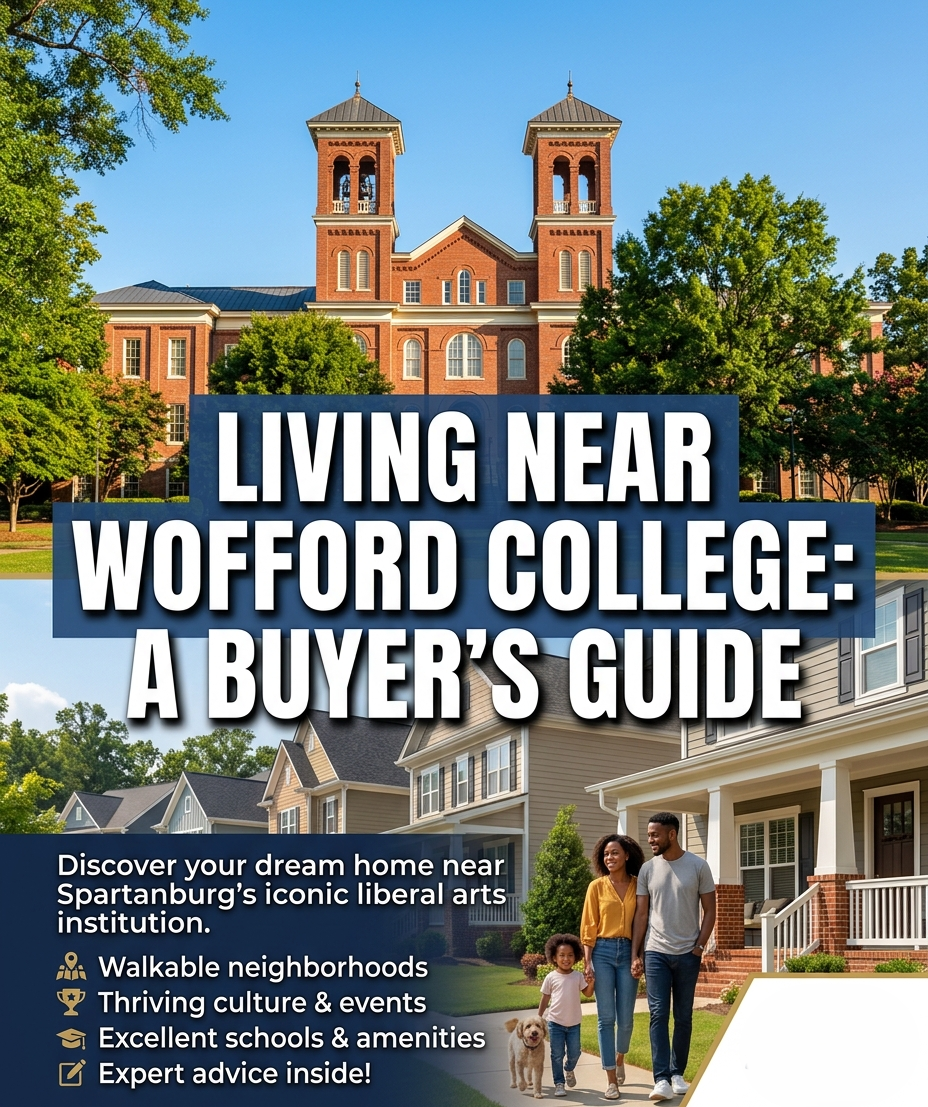
Living Near Wofford College: A Buyer’s Guide

Wofford College has shaped the housing market around it for over a century. The neighborhoods within walking distance of campus carry a specific character — historic, walkable, college-adjacent — and the buyer pool that focuses on this area is more specific than the broader Spartanburg market. If you are considering buying a home near Wofford, the questions are different from what you would ask buying somewhere else in the city.

Here is what I see as a working agent in this market and what to think about as you start looking.

Who Buys Near Wofford

The buyer pool for homes within easy reach of Wofford breaks into a few distinct groups.

College faculty and administrators who want to walk or bike to campus and value the historic character of the surrounding neighborhoods.

Parents buying property for student housing during their child’s time at Wofford, with plans to use it as a rental or sell it after graduation.

Alumni who fell in love with Spartanburg during their college years and have come back to settle, often into one of the historic neighborhoods near campus.

Downtown Spartanburg professionals who like the proximity to Wofford’s academic events, athletics, and the cultural life that comes with a residential college.

Empty nesters and downsizers from the surrounding Spartanburg suburbs who want to be close to downtown amenities and the lifestyle that comes with living near a college campus.

Each of these buyer profiles values the area for slightly different reasons, but they share a preference for the walkable, historic feel of the neighborhoods around the college.

The Neighborhoods Within Walking Distance

The areas surrounding Wofford include some of Spartanburg’s most distinctive historic neighborhoods.

The blocks immediately adjacent to campus along Church Street and Magnolia Street include some of the oldest housing stock in the city. These homes range from well-preserved Victorian and craftsman bungalows to homes that need significant updating but offer character that is hard to find elsewhere.

Converse Heights sits a short distance from Wofford and is one of the most established historic neighborhoods in Spartanburg. The homes are larger on average, the lots are mature, and the architecture leans more toward early-20th-century styles. Demand here is consistent because the supply is truly limited.

Hampton Heights to the south of downtown carries a similar historic character at slightly different price points and has seen meaningful investment over the past decade.

Drayton Mills and the renovated mill loft buildings offer a different option — modernized industrial space, often appealing to younger faculty, alumni, and downtown professionals who want walkable urban living with historic bones.

Price Points

Pricing in the Wofford-adjacent neighborhoods varies more widely than buyers often expect.

Entry-level homes in the immediate blocks around campus — typically older, smaller, and needing updates — can be among the most affordable single-family options inside the city. These attract first-time buyers, parents buying for student housing, and investors.

Mid-range homes in good condition in the historic neighborhoods generally run higher than equivalent square footage in newer Spartanburg subdivisions, reflecting the location and character premium.

Larger historic homes in Converse Heights and the most desirable blocks command meaningful premiums and tend to draw out-of-state buyers, returning alumni, and longer-term Spartanburg families looking to upgrade.

Renovated mill lofts and downtown condos sit in their own pricing tier, generally appealing to a different buyer profile than the historic single-family inventory. Spartanburg condos for sale shows what the active downtown and adjacent condo market looks like.

Living Near Wofford College A Buyer’s Guide

What to Look for When Touring

Buying near Wofford has its own specific considerations.

  • Age of major systems. Many of the historic homes have electrical, plumbing, and HVAC that has been updated at different times. Verify what has been replaced when, and budget for upcoming work.
  • Foundation and structural integrity. Older homes shift, and historic homes carry more variation in foundation condition than newer construction. A thorough inspection is non-negotiable.
  • Parking realities. Many of the streets near Wofford are tight, and parking can be a daily consideration. Look at whether the property has off-street parking, a driveway, or a garage.
  • Game-day and event traffic. Football weekends and major college events bring noise, traffic, and parking pressure to the surrounding neighborhoods. Visit during a typical game weekend if you can.
  • Rental potential. If you are buying for student housing or considering rental income, understand the city’s rental rules, any HOA restrictions, and the realistic rental market for the specific property.
  • Flood and drainage. Some older properties have drainage issues. Walk the lot in a recent rain if possible.
  • Historic district restrictions. Some areas have historic district designations that affect what you can change on the exterior. Know what you are buying into.

The Rental Income Angle

For parents buying property during their child’s time at Wofford, the rental income angle is worth understanding clearly.

Wofford is a residential college with a relatively small enrollment, so the off-campus rental market is more limited than at a major state university. Demand exists, but it is not as deep as at larger schools. Pricing depends heavily on proximity to campus and the quality of the property.

A few practical considerations:

  • Roommate dynamics affect both rental viability and resale appeal
  • Insurance for student rentals runs differently than owner-occupied insurance
  • Property management is worth considering if you are not local
  • Long-term value depends as much on the location and condition as on the student rental potential

Where Wofford Fits in the Broader Spartanburg Market

If you are weighing Wofford-adjacent homes against the broader Spartanburg real estate market, a few clear observations.

The Wofford-adjacent neighborhoods carry a location premium that other historic Spartanburg neighborhoods do not always match. Resale tends to hold up well because supply is truly limited and demand from the buyer pool I described is consistent.

The trade-off is that homes here are usually older, often require ongoing maintenance, and have less flexibility on layout than newer construction further out. Buyers who want updated finishes, open floor plans, and lower maintenance often end up looking elsewhere in Spartanburg or further out into the suburbs.

The Long View

The neighborhoods around Wofford have appreciated steadily over the long term because the fundamentals are stable. The college is not going anywhere. The supply of historic homes within walking distance is essentially fixed. Demand from the specific buyer groups I described tends to be consistent regardless of broader market conditions.

For long-term holders, this area tends to reward patience. For shorter-term investors, the specifics of the property matter enormously.

If you want to walk specific homes in the Wofford-adjacent neighborhoods or compare options across the historic Spartanburg market, that is the kind of search where local knowledge matters. Reach out and we can put together a tour focused on the lifestyle and the financial picture that fits your situation.

Posted in For Buyers
June 16, 2026

When Is the Best Time to Sell My Upstate, SC Condo?

Selling a condo in the Upstate is a different conversation than selling a single-family home. The buyer pool is narrower, the demand patterns are different, and timing matters in specific ways that do not always match what you read for general home sellers. Whether your condo is in downtown Greenville, the Five Forks area, Boiling Springs, Spartanburg, or Anderson, the timing question deserves a careful answer.

Here is how I think about timing in the Upstate condo market and what to consider as you decide when to list.

Who Buys Upstate Condos

The first step in timing is understanding who actually buys condos in this region. The buyer pool breaks into several groups:

  • Downsizers from single-family homes who want lower maintenance
  • First-time buyers and young professionals
  • Retirees from out of state who want lock-and-leave living for travel
  • Second-home buyers using the property for weekends or extended stays
  • Investors targeting long-term rental income
  • Empty nesters relocating from larger homes to lower-maintenance living

These buyer groups have different seasonal patterns. Downsizers and retirees do not follow the school calendar. Young professionals and first-time buyers often shop year-round but spike in spring. Second-home buyers are most active in winter and early spring for the next year’s use.

That mix means condo timing is generally less seasonal than single-family timing, but seasonality still matters.

The Standard Spring Pattern

For the bulk of Upstate condo inventory, late winter through early summer remains the strongest selling window. February through June consistently delivers the most buyer activity. The reasons mirror the single-family market: better weather for tours, longer days, more relocation activity, and out-of-state buyers traveling to shop.

The difference is degree. The seasonal premium is meaningful for single-family homes; for condos it is more modest. A well-prepared condo can sell reasonably well in October or January, where the same single-family home would struggle.

City-by-City Patterns

The Upstate is not one condo market. Each city has its own dynamics.

Greenville condos, particularly downtown and walking-distance units, see strong year-round demand. Downtown condo buyers include lifestyle-oriented professionals, second-home buyers, and downsizers. The spring premium exists but is less dramatic than in suburban markets. Greenville condos for sale generally sees consistent activity across seasons.

Spartanburg condos appeal to a different buyer pool — more first-time buyers, more local downsizers, and some Wofford-related buyers. Spartanburg condos for sale follows the seasonal pattern more clearly, with stronger spring and weaker winter activity.

Boiling Springs condos and townhomes appeal heavily to first-time buyers and downsizers. Boiling Springs condos for sale follows the seasonal pattern, with the strongest activity in spring and early summer.

Anderson condos see a meaningful retiree component, particularly buyers drawn to Lake Hartwell and the lower cost of living. Anderson condos for sale sees less pronounced seasonal variation because retiree buyers shop more consistently year-round.

Simpsonville condos and Five Forks-area townhomes see a mix of downsizers from the surrounding single-family neighborhoods and first-time buyers tied to the area’s strong schools and family lifestyle. Simpsonville condos for sale follows a moderate seasonal pattern with strongest activity in spring.

Easley condos are a smaller segment with a more local buyer pool. Easley condos sees less seasonal variation but also less overall buyer volume.

Why Mid-Summer Still Softens

July and August see a measurable softening in most Upstate condo segments. The reasons mirror the broader market: vacations slow tour activity, heat suppresses showings, and the bulk of seasonal demand has shifted forward into earlier listing windows.

The exception is short-term rental and second-home buyers, who often shop in summer for the next year. If your condo appeals to that buyer pool, mid-summer can still produce serious activity.

When Is the Best Time to Sell My Upstate, SC Condo

The Fall Window for Condos

September and October see a notable secondary bump in the Upstate condo market. Several factors line up here:

  • Out-of-state retirees doing fall house-hunting trips before the holidays
  • Corporate relocations on different fiscal calendars
  • Downsizers who waited for the spring to settle before listing their primary home
  • Second-home buyers planning ahead for next year

Fall can be a strong window for condos in particular, sometimes more dramatically than for single-family homes. Sellers who missed spring or who prefer less peak-season competition often do well listing in September.

Winter and Year-End Activity

The November-through-January window is the weakest for condos, but it is workable. Winter condo buyers are often relocators, estate sales, divorces, and corporate transfers — serious buyers with specific timelines.

For sellers who must list in winter, the smaller buyer pool can still produce a clean sale. Days on market run longer, but the buyers shopping in winter tend to convert at a higher rate per showing than spring tire-kickers.

Investor-Targeted Condos

If your condo appeals heavily to investors — appropriate price point, rentable HOA rules, good rental comps in the area — the timing math shifts. Investors shop year-round and are flexible on closing timelines. For these properties, the right time to sell is when you have a strong cap rate story to tell and clean comparable rental data.

Frequently Asked Questions

Are condos slower to sell than single-family homes in the Upstate?

Generally yes, particularly in suburban markets. The buyer pool is smaller, financing requirements can be stricter, and HOA documents add friction to closings. Plan for slightly longer marketing periods on average.

Does the HOA’s financial health affect when I should sell?

Yes. If your HOA is heading toward a special assessment or has a known reserve study issue, that is information buyers will discover during their due diligence. Selling before the issue surfaces, when possible, often produces a better outcome than selling during the disclosure process.

Do condo prices follow the same seasonal patterns as single-family homes?

Less dramatically. Single-family prices show clearer spring strength. Condo prices are more level across the year, with the variation showing up more in days on market and number of showings than in final sale price.

Should I price aggressively to compete with new condos and townhomes?

If there is active new construction in your immediate area at similar price points, yes. Builders can offer incentives that effectively reduce price by thousands. Pricing your resale condo to compete is often the right call rather than holding firm and waiting.

How long should an Upstate condo take to sell?

In a normal market with reasonable pricing, 45 to 90 days on market is typical for the bulk of Upstate condos. Downtown units in Greenville and well-prepared properties in popular communities may go faster. Less-conventional layouts or units in struggling HOAs may take longer.

The Bottom Line

For most Upstate condos, late winter through early summer remains the strongest window, but the seasonal premium is more modest than for single-family homes. Fall produces a meaningful secondary bump. The city-by-city patterns vary, with downtown Greenville being the most year-round market and the suburbs following clearer seasonal cycles.

If you want to look at what your specific condo is likely to do at different times of year, that conversation is worth having with someone who knows the comparable sales, the HOA landscape, and the current inventory in your specific community. Reach out and we can work through your timing options.

Posted in For Sellers
June 15, 2026

When Is the Best Time to Sell a Greenville, SC Condo?

If you own a condo in Greenville and you are thinking about selling, the timing question is fair to ask. The condo market here moves differently than the single-family market — different buyer types, different demand patterns, different seasonal rhythms. The right timing decision can mean a faster sale, a better price, or both.

Here is what I see consistently in the Greenville condo market and how to think about when to list yours.

The Short Answer

For most Greenville condos, late winter through early summer is the strongest window. February through June consistently generates the highest buyer activity, the shortest days on market, and the most competitive offers. If you can list in that window, you typically do better.

That said, the right time depends on what type of condo you own, where it sits in Greenville, and what kind of buyer it appeals to. Some condos do better in summer; some are essentially year-round. Below is how the segments break down.

Why Spring Works for Most Greenville Condos

Several factors line up in the spring window:

  • Out-of-state buyers, particularly retirees and second-home buyers, do a lot of their tours in March, April, and May
  • Job-related relocations cluster in spring and early summer as companies move people for the next fiscal year
  • Weather is reliably pleasant for tours, which makes outdoor amenities and views look their best
  • Buyers want to be settled before the heat of summer and before the start of the school year, even though condo buyers are less family-focused

Days on market for well-priced condos in this window tend to run shorter than at other times of year. Multiple offers, while not as common as during the peak years, still happen on desirable units.

Downtown vs. Suburban Condos

Greenville condos break into two broad groups that have different timing patterns.

Downtown condos and units within walking distance of Main Street appeal heavily to professionals, second-home buyers, and downsizers. Greenville condos for sale in the downtown core stay reasonably active year-round because of the lifestyle draw. The spring premium is real but less dramatic. Late fall and winter sales here are not uncommon, especially among buyers relocating for jobs or buying second homes.

Suburban condos — those further from downtown in areas like Wade Hampton, Pelham Road, and the Five Forks area — see a more pronounced seasonal pattern. These units appeal more to local buyers, downsizers from the surrounding suburbs, and first-time buyers. Spring and early summer are stronger here than late fall or winter.

Luxury Condos

The luxury condo segment in Greenville is a different conversation entirely. Greenville luxury homes includes a number of high-end condo and townhome offerings, and these properties often sell on a different cycle.

Luxury condo buyers are less seasonal. Many are paying cash, buying as second homes, or relocating from larger metros where they have flexibility on timing. For these units, the right time is when you have the right marketing in place, the right photography, and the right pricing. A well-prepared luxury condo can sell in November as readily as in April.

When Is the Best Time to Sell a Greenville, SC Condo

The Real Question: Market Cycle, Not Just Season

I tell sellers that the season matters less than the market cycle. The Greenville condo market today is in a different position than it was three years ago. Inventory is broader, buyer urgency is more measured, and pricing power has shifted modestly. The right time to sell in a 2026 market may not match the right time in a 2021 market.

A few market-cycle questions matter more than season:

  • Is inventory in your specific building or community currently low or high?
  • What are recent comparable sales showing?
  • Are interest rates moving in a direction that helps or hurts your buyer pool?
  • Are there any major employer announcements or developments that could shift demand?

Working with a local agent who knows the specific micro-market your condo sits in matters more than picking a calendar month.

What If You Cannot Wait for Spring?

If life requires you to sell on a non-ideal timeline, the answer is to prepare well and price right. A well-staged, well-photographed, well-priced condo will sell in any season. The penalty for selling in the wrong season is more about the number of showings and the speed of offers than the final price.

A few things that help when selling outside the peak season:

  • Professional photography that handles low natural light well
  • Realistic pricing that does not assume peak-season urgency
  • Flexibility on showing times for the smaller buyer pool
  • Strong online marketing, since fewer buyers means each one needs to be reached intentionally

Frequently Asked Questions

Is December a bad time to sell a Greenville condo?

It is not the strongest month, but it is workable. Buyers shopping in December tend to be serious — relocators, divorces, estate sales — and they often close quickly. Inventory is lower, which can work in your favor. If you are pricing competitively and your unit shows well, December sales happen regularly in this market.

Should I wait if the market is slow?

Sometimes yes, sometimes no. If you can wait three to six months and the broader market signals are pointing toward improvement, waiting can help. If you have a life event driving the sale, waiting often costs more than it saves through ownership costs, mortgage interest, and HOA fees. The math is specific to your situation.

How long should a Greenville condo take to sell?

In a normal market with reasonable pricing, 30 to 60 days on market is typical for the bulk of Greenville condos. Higher-end and unique units may take longer. If you are at 90 days without an offer, the pricing or the marketing usually needs to be revisited.

What time of year do condos appreciate most?

Appreciation is annual, not seasonal. Selling in a peak season may get you a faster sale and slightly better terms, but the appreciation curve is the same regardless of month.

The Bottom Line

For most Greenville condos, late winter through early summer is the strongest window. For luxury and downtown condos, the seasonal pattern matters less. For all sellers, the market cycle, the pricing, and the marketing matter more than the calendar.

If you want to understand how your condo fits into the broader Greenville real estate picture and what timing makes sense for your specific unit, that is the kind of conversation worth having with someone who knows your micro-market. Reach out and we can look at the comparable sales, the current inventory, and the realistic timeline for your specific condo.

Posted in For Sellers
June 12, 2026

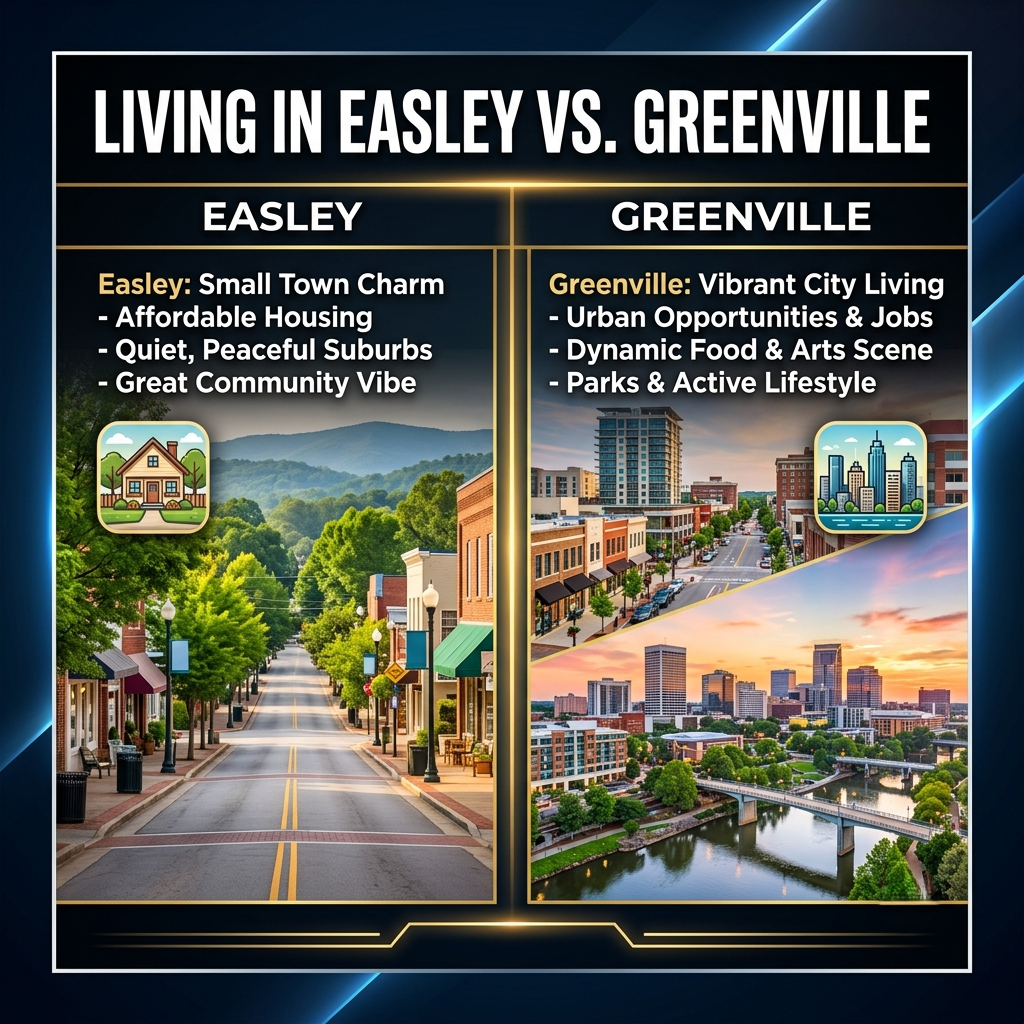
Living in Easley vs. Greenville

Buyers who are considering Easley and Greenville are usually choosing between two very different versions of Upstate life. Greenville has the downtown, the high-density walkable amenities, and the urban energy. Easley has the small-town feel, the proximity to the foothills, and the more affordable price points. Both are good answers depending on the buyer. The decision usually comes down to lifestyle priorities and budget.

I work with buyers comparing these two markets on a regular basis. Here is how the comparison actually plays out, what each city offers, and what to look for as you start touring.

The Big-Picture Difference

Greenville is the larger market by a meaningful margin and offers a more urban experience. Downtown Greenville has restaurants, music venues, parks, museums, and a density of amenities that feels metropolitan. Easley, twelve miles west of downtown Greenville along Highway 123, has its own downtown but on a much smaller scale. The lifestyle skews more residential, more outdoorsy, and more tied to the foothills and the lakes than to a busy downtown scene.

That difference shapes almost everything else — the housing stock, the buyer profile, the price points, and the daily rhythm of life in each place.

Price and Value Comparison

The single biggest reason buyers consider Easley is price. Easley homes for sale consistently shows more square footage and larger lots per dollar than equivalent inventory in Greenville real estate, especially when comparing similar build years and finish levels.

A few patterns I see consistently:

  • Single-family homes in Easley often run 15 to 25 percent less than similar Greenville homes in comparable condition
  • Lot sizes in Easley tend to be larger by default; smaller urban lots are more common in Greenville
  • New construction in Easley is generally more affordable than equivalent new construction in Greenville
  • Resale homes in established Easley neighborhoods offer strong value, particularly for buyers willing to update older finishes

The trade-off is the urban experience. You give up walking distance to Greenville’s downtown and the density of amenities that come with it.

Living in Easley vs. Greenville

The Lifestyle Question

This is where I encourage clients to think hard about how they actually want to spend their time.

Greenville works best for buyers who want to walk to dinner, attend events downtown regularly, take advantage of the food scene, and value short drives to amenities. Buyers who tell me they want to be able to leave their car at home for the weekend are usually best matched in Greenville.

Easley works best for buyers who want a quieter daily life, who plan to spend weekends in the foothills, on the lakes, or at home in their yards, and who do not mind driving twenty to thirty minutes when they want a Greenville experience. Buyers who tell me they want a real garage, a yard for their kids, and a slower pace usually find what they want in Easley.

There is no wrong answer. It just has to match the lifestyle the family actually lives.

Schools

Greenville and Easley are in different school districts. Greenville falls under Greenville County Schools; Easley is in Pickens County, primarily under the School District of Pickens County.

Both districts have strong schools. The decision is rarely about district quality at the macro level and more about the specific school zoned to a specific address. Verify the current zoning for any specific property and look at the actual elementary, middle, and high school combinations rather than assuming based on the district name.

Families relocating from out of state often find both districts compare well to what they left, particularly compared to large metropolitan school systems elsewhere.

Commute Patterns

Commute realities matter for the Easley vs. Greenville decision. A few things to think through.

If you work in downtown Greenville, expect 20 to 30 minutes from much of Easley, depending on time of day and exact location. Highway 123 carries the bulk of commuter traffic and gets heavy at rush hour.

If you work near GSP Airport, BMW, or the eastern side of Greenville County, the commute from Easley becomes longer and less practical. Greer or eastern Greenville would suit better.

If you work in Pickens, Clemson, or the western Upstate, Easley is the better choice. The commute is much shorter, and access to the mountains and Lake Hartwell becomes simpler.

If remote work is part of the equation, the commute argument matters less. The lifestyle and price questions become the primary drivers.

New Construction in Both Markets

Both Easley and Greenville have active new construction segments, but the price points and amenity expectations differ.

Easley new homes typically offer larger floor plans, larger lots, and lower base prices than equivalent Greenville new construction. Production builders have built significantly in Easley over the past several years, and the inventory mix is broad.

Greenville new construction often emphasizes amenities, walkability to retail, and density. The price per square foot runs higher, but the location and the amenity packages reflect that.

If you are weighing new construction in both markets, drive each builder’s communities and pay attention to what is included in the base price, what comes as an upgrade, and what the HOA covers.

What Easley Offers That Greenville Does Not

A few specific advantages on the Easley side.

Proximity to the foothills and the mountains. Easley sits closer to the Blue Ridge Escarpment, and weekend trips to Table Rock, Caesars Head, and the foothills lakes are much shorter from here than from Greenville.

Closer access to Clemson. For Clemson University parents, alumni, or people who work in Clemson, Easley keeps you within reasonable distance without the football-weekend traffic disruption of being in Clemson itself.

Quieter daily rhythm. Easley has less traffic, less noise, and less of the energy that comes with a growing downtown. For buyers who value that, the trade-off is worth it.

More land per dollar. If acreage matters, Easley generally delivers more for the same money.

What Greenville Offers That Easley Does Not

A few specific advantages on the Greenville side.

Downtown density. Restaurants, music, art, and events at a scale Easley does not match.

Healthcare access. The Prisma Health system and other major providers are concentrated in Greenville. Specialist care is closer.

Broader job market. Greenville has more employment options across more industries within a short commute.

Network effects. For families and professionals where social and professional networks matter, Greenville has more activity, more events, and more density of connections.

The Long View

Both markets are likely to keep appreciating. Greenville continues to attract national attention and out-of-state buyers. Easley continues to grow steadily as buyers prioritize affordability and lifestyle balance. Neither is a bad long-term decision in real estate terms.

The right answer is the one that matches how you actually want to live. If you want to walk to dinner most nights, choose Greenville. If you want a larger yard, easier access to the mountains, and a quieter daily pace, Easley is likely the better fit.

If you are still weighing it, the right next step is to spend time in both. Eat dinner downtown in each, drive the commute you would actually drive, and pay attention to which one feels like home. Reach out when you want to start touring and we can put together a comparison that fits your situation.

Posted in For Buyers
June 11, 2026

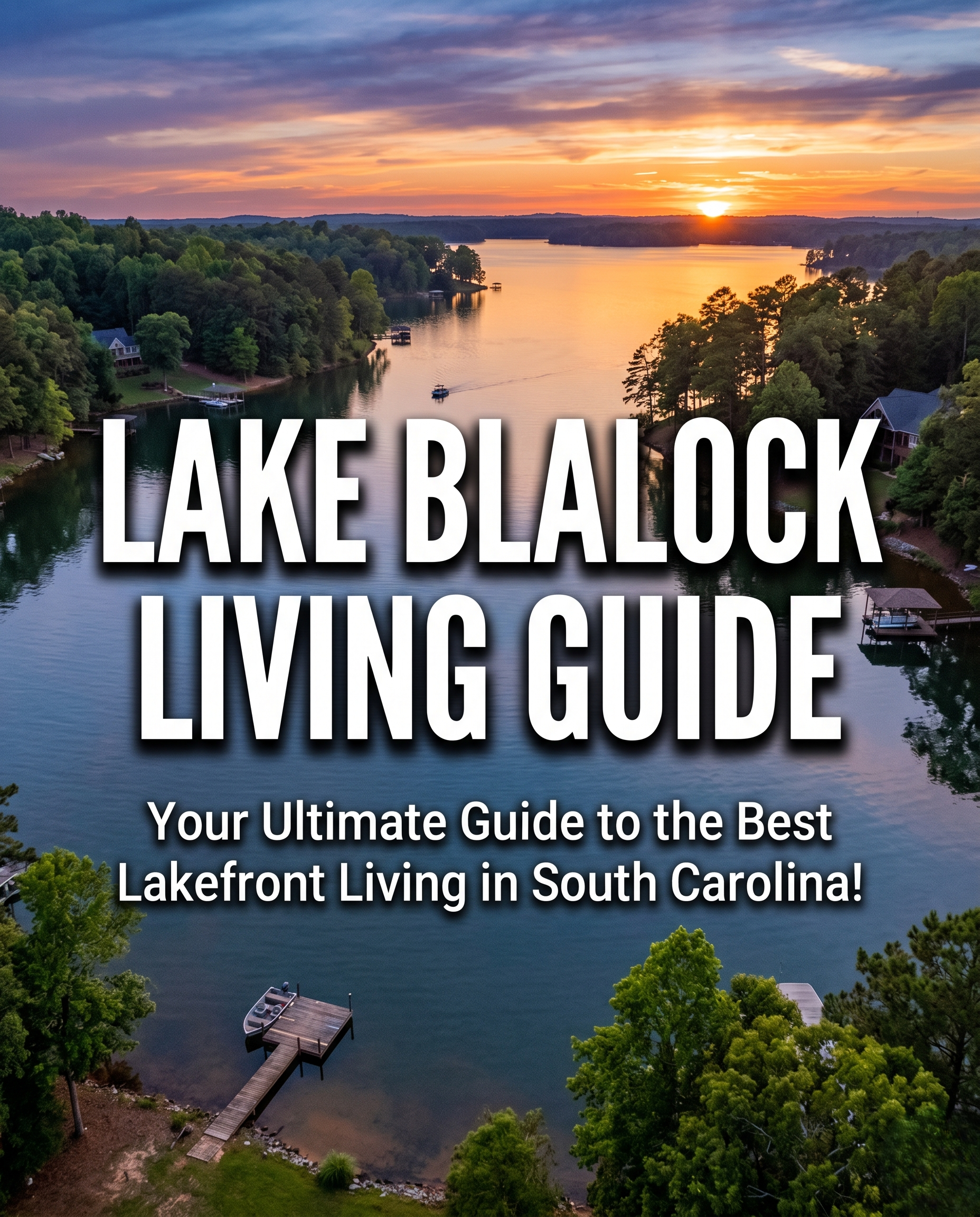
Lake Blalock Living Guide

Lake Blalock has built a reputation among Upstate buyers as one of the quieter, more residential lakes in Spartanburg County. It sits north of Boiling Springs and connects toward Chesnee, and the lifestyle here is different from what you find on Lake Bowen, Lake Hartwell, or the bigger recreational waters further out. If you have been considering lake living in the Upstate and want something less crowded, more residential, and more peaceful, Lake Blalock deserves a serious look.

Here is what I see consistently with buyers landing on Blalock, what the housing market looks like, and what to think about before you commit to lake living here.

What Makes Lake Blalock Different

Blalock was built as a drinking water reservoir, and that affects almost everything about the lake experience. Horsepower restrictions limit boat sizes and engine power, which keeps the water calmer than what you find on bigger recreational lakes. Wake from larger boats is not a constant background presence. Fishing is consistently strong because the water is less pressured. The shoreline is more residential and less commercial — you do not find marina-driven communities here the way you do on Lake Bowen or Hartwell.

For many buyers, that quieter character is precisely the point. They are not looking for jet skis and weekend party traffic. They want a quiet kayak in the morning, easy fishing access, and water views from the porch.

The Housing Market Around Lake Blalock

Inventory around Blalock is generally tighter than what you find on the larger lakes. The shoreline is shorter, fewer subdivisions back onto the water, and many of the properties have been held by long-term owners. When lake-access or lake-view homes come up for sale, they tend to draw consistent interest.

A few patterns worth knowing:

  • True waterfront on Blalock carries a premium and rarely sits on the market long when priced reasonably
  • Homes with water views but not direct access are a common middle ground at lower price points
  • Homes in surrounding communities like Chesnee real estate offer easy lake access without paying waterfront premiums
  • Acreage parcels near the lake are increasingly hard to find and have appreciated steadily

The Chesnee Connection

Chesnee is the closest community to much of the Lake Blalock shoreline. The town itself is small and rural — under 1,000 people inside city limits — and the surrounding county areas have grown steadily as buyers look for that combination of rural character and reasonable proximity to Spartanburg and Boiling Springs.

For buyers considering Lake Blalock, Chesnee is often the practical center of life. Grocery, basic services, schools, and community events all run through Chesnee or nearby small towns. Spartanburg and Boiling Springs are within a reasonable drive for bigger shopping, healthcare, and dining.

Who Is Buying Here

The Blalock buyer pool has shifted over the last several years. I see consistent activity from a handful of buyer types.

Retirees from the Northeast and Midwest looking for a quiet lake property at a fraction of what they would pay in their home markets. Second-home buyers from Charlotte and Atlanta who want a weekend escape without the traffic and crowd of the bigger lakes. Long-term locals upgrading to lake property or downsizing from larger homes onto a Blalock parcel. And a smaller but growing group of remote workers who pick a Blalock home as a primary residence and treat the water as part of daily life.

That mix has kept the market steady even when the broader region has fluctuated.

Lake Blalock Living Guide

Practical Considerations for Lake Property

Lake property is different from regular real estate, and Blalock has its own specifics worth understanding.

Septic systems are common, and proximity to the water affects everything. Have the septic inspected during your inspection period, and verify any setback requirements before assuming you can build or expand.

Wells are also common. Test water quality and flow rate. Some properties draw from the lake or have shared community water; others have private wells. Know which one you have.

Dock permits matter. Building a dock on the lake involves permitting through the appropriate authority. If a dock is a non-negotiable, verify the permit is already in place or confirm what is required.

Erosion and shoreline stabilization come up. Some Blalock properties have erosion issues that have been addressed; others have not. Walk the shoreline with someone who knows what to look for.

Flood considerations are property-specific. Most Blalock waterfront is not in a high-risk flood zone, but verify for any specific property. Insurance costs depend on it.

Internet quality varies. If remote work is part of the plan, test actual upload and download speeds at the property.

Where Blalock Fits Against Other Upstate Lakes

If you are comparing lake options across the Upstate, Blalock sits in a specific niche. Lake Bowen homes offer a more amenity-driven and active lake experience with more boats, more events, and more shoreline development. Lake Hartwell down toward Anderson is much larger and more recreational, with all the trade-offs that come with it. Lake Blalock wins when the buyer prioritizes quiet, fishing, and a more residential lake character.

For the broader picture of what waterfront living costs in the region, Upstate lakefront homes gives a sense of the price spectrum across multiple lakes.

The Investor and Second-Home Angle

Lake Blalock is less developed for short-term rental activity than the bigger Upstate lakes. That can be an advantage for second-home buyers who want a quieter neighborhood without weekend rental turnover, and a disadvantage for investors hoping to run a vacation-rental business. If short-term rental is part of your math, talk to local property managers and check the specific HOA or county rules before assuming demand will be there.

For long-term rentals, demand is solid but inventory is small, which makes finding the right rental property harder than in larger markets.

The Long View

Lake Blalock is unlikely to change character dramatically. The horsepower restrictions, the reservoir designation, and the lack of major commercial development on the shoreline all combine to keep the lake from turning into a different kind of place. For buyers who want that, this is one of the strongest reasons to choose Blalock over the bigger Upstate lakes.

If lake living is on your list and you want to compare your options, the right next step is to visit on a regular weekday and on a busy weekend day. The character of each lake shows up differently depending on when you are there. Reach out and we will put together a tour of properties and lakes that fits what you actually want from waterfront life.

June 10, 2026

Why Families Love Greer

Greer has quietly become one of the strongest family markets in the Upstate. It sits right between Greenville and Spartanburg along I-85, close enough to both cities to feel connected and far enough out to keep its own character. The combination of strong schools, family-oriented neighborhoods, a revitalized downtown, and proximity to major employers has made Greer one of the cities I see families pick over and over again.

If you are weighing where to land in the Upstate and Greer is on the short list, here is what makes it work for families and what to think about as you start touring.

Why Greer Works for Families

Several things line up here that are hard to find together in one place.

Schools are the biggest draw I hear in client conversations. Greer falls into both Greenville County and Spartanburg County school districts depending on which side of town the home sits on, and several of the local elementary, middle, and high schools rank well within their respective districts. Families regularly choose specific neighborhoods because of the zoned school.

Downtown Greer has come into its own. Trade Street and the surrounding blocks now anchor a real downtown — restaurants, shops, parks, weekend events, and a calendar that gives families something to do without driving to Greenville. The downtown revitalization is one of the underrated stories in Upstate real estate.

Cost of living still works. Compared to many Greenville neighborhoods, Greer offers more square footage and larger lots for the same money. The gap has narrowed as Greer has grown, but it remains real, particularly for families looking for traditional single-family homes with yards.

Employer access is excellent. BMW Plant Spartanburg sits in Greer. The Inland Port is a short drive. GSP International Airport is just south of town. For families where one or both parents commute to manufacturing, logistics, healthcare in Greenville, or aviation-related jobs, Greer keeps the drive reasonable.

Why Families Love Greer

The Neighborhoods Families Are Choosing

Greer homes for sale covers most of the active inventory, and the variety has grown significantly. A few neighborhood patterns I see consistently.

Established Greer neighborhoods near downtown attract families who want walkability, sidewalks, and access to local events. Many of these homes were built in the 70s, 80s, and 90s, and they offer larger lots and mature trees that newer construction does not match.

Newer subdivisions further out along Highway 14 and the surrounding corridors offer modern floor plans, amenity packages, and proximity to BMW. These tend to draw families with younger children, often relocating from out of state, who want the convenience of new construction.

The eastern side of Greer leans more toward Spartanburg County schools and tends to offer slightly lower price points with comparable home quality. Families comparing both sides often find the eastern side surprising in terms of value.

What to Look for When Touring

A few things families should pay attention to specifically in Greer.

  • School zone lines have shifted as the area has grown. Verify the actual current zoning for any specific address rather than relying on a builder’s site map or a listing description.
  • Traffic on Wade Hampton Boulevard and the surrounding corridors gets heavy at school drop-off and pickup. Drive the school commute at actual school times.
  • Some neighborhoods have HOAs with strong covenants; others do not. Understand the restrictions on things like fences, paint colors, and outbuildings before committing.
  • Downtown Greer events bring noise and traffic on weekends. Some families love being close; others prefer a buffer. Visit at multiple times of week.
  • Older Greer homes may have well or septic systems even within city limits. Verify utilities for any specific property.

The Lifestyle Question

What I hear consistently from families who chose Greer is that they liked the combination of options. Downtown for weekend dinners. Community parks for everyday outdoor time. Reasonable distance to Greenville’s bigger amenities when they want them. Reasonable distance to Spartanburg’s hospital and cultural offerings when they need them. And a strong enough local identity that the city feels like its own place rather than a suburb of either neighbor.

That balance is harder to find than it sounds. A lot of Upstate cities lean heavily into one identity or the other. Greer has managed to keep its own thing going while benefiting from being well-located between two larger markets.

The BMW Effect

You cannot write about Greer’s family market without mentioning BMW. The plant employs thousands directly and supports a broad supplier network. The economic stability that comes from a major manufacturer anchored in town has shaped how the housing market behaves here.

Families relocating for BMW or its suppliers often come with strong financial profiles and a focus on schools, neighborhood quality, and commute time. That buyer pool keeps demand steady even when broader economic conditions wobble. It is also part of why home values in Greer have held up well over the years.

Where Greer Fits in the Broader Upstate Comparison

If you are comparing Greer to other Upstate options for family living, a few honest comparisons.

Greenville new homes offer more amenities and closer downtown access, generally at higher prices, with more traffic to navigate.

Spartanburg real estate offers strong historic neighborhoods and a more affordable price point in many segments, with a different downtown experience and a longer drive to Greenville-side amenities.

Greer wins for families who want the middle ground — real downtown access, strong schools, family-oriented neighborhoods, and reasonable distance to multiple employment hubs. It loses if the family is committed to downtown Greenville life or to a specific community in Spartanburg County.

Practical Things to Plan For

A few practical considerations families often underestimate.

Air traffic noise. GSP Airport is south of Greer, and certain neighborhoods sit under approach or departure paths. If noise is a sensitivity, ask about it specifically and visit at different times.

After-school activities. Greer has solid recreation programs and sports leagues, but slots can fill fast. If your kids play specific sports, look into registration timing before assuming spots will be available.

Healthcare access. Greer has local urgent care and pediatric options, but specialty care often means a drive to Greenville or Spartanburg. Factor that into your location, particularly if your family has regular specialist appointments.

The Long View

Greer is not slowing down. BMW continues to expand. The downtown keeps adding businesses. Families keep moving in for the schools and the lifestyle balance. If you are weighing it for a long-term family home, the fundamentals are strong and the trajectory points up.

Reach out when you want to start touring. Family-focused searches benefit from a careful look at school zones, neighborhood culture, and the small details that matter for daily life with kids. I can help line up a tour that focuses on what actually works for your situation.

June 9, 2026

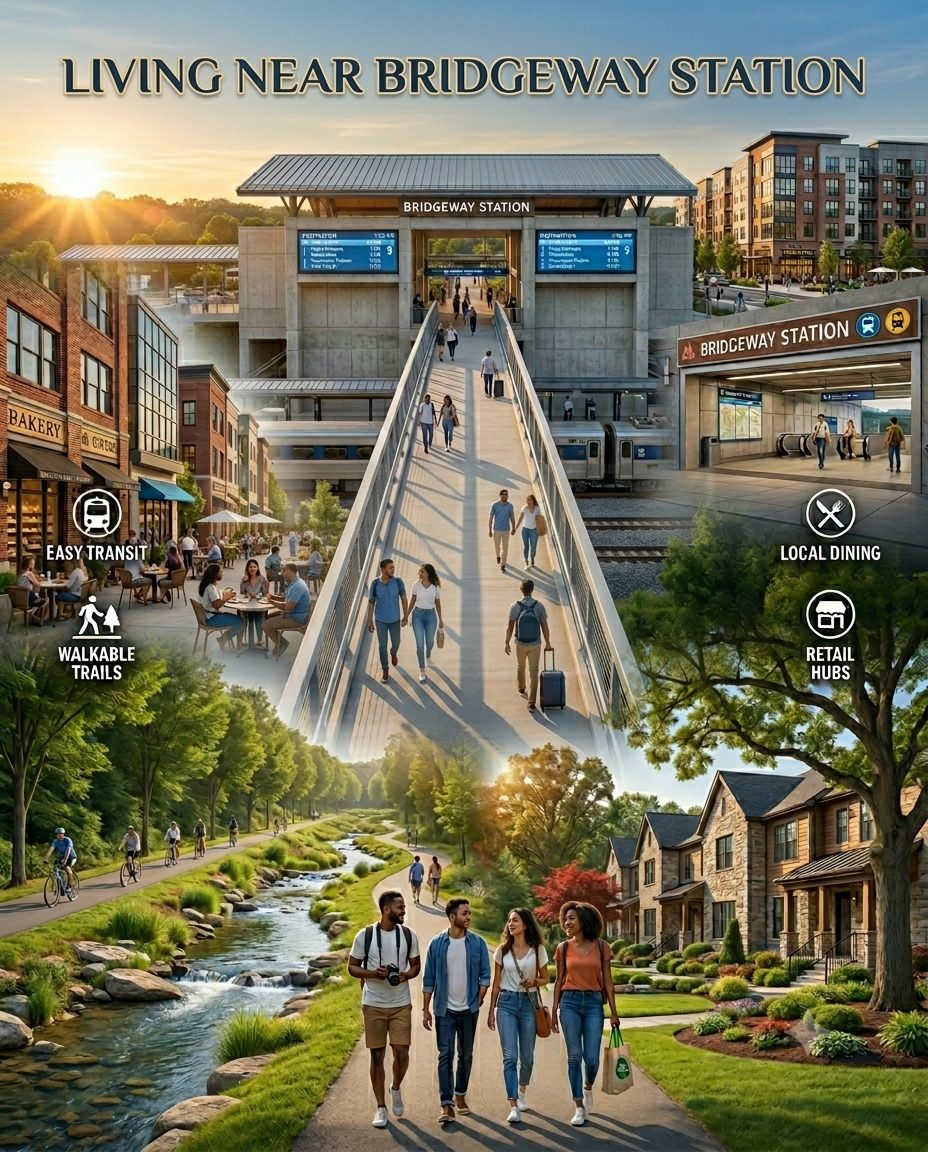
Living Near BridgeWay Station

BridgeWay Station has shifted the conversation about what Mauldin can be. For decades Mauldin was the kind of place buyers passed through on the way to Greenville or Simpsonville. It was affordable, well-located, and quiet, but it lacked a real center. BridgeWay Station changed that. The development sits along Butler Road just off I-385, and it has become one of the most talked-about projects in the Upstate.

For buyers thinking about Mauldin, BridgeWay Station is now part of the calculation in a way it was not five years ago. Here is what living near it actually looks like, what the surrounding housing market is doing, and what to think about if it is on your short list.

What BridgeWay Station Is

BridgeWay Station is a master-planned, mixed-use development modeled loosely on Italian piazza-style village design. Stone facades, walkable streets, restaurants, retail, office space, and residential — all on the same property. It is the kind of project that gets called a town within a town, and that label is largely accurate. People meet for coffee, do shopping, eat dinner, and go to events without leaving the development.

The residential portion includes apartments and townhomes integrated directly into the village layout. For buyers who want walkable urbanism without the prices of downtown Greenville, this is one of the closest options the Upstate has produced. The catch is that supply is limited. Direct residential inventory inside BridgeWay Station does not sit on the market long.

The Effect on the Surrounding Mauldin Market

The ripple effects on the broader Mauldin housing market have been significant. Mauldin homes for sale has seen consistent demand for properties within a five to ten-minute drive of the development. Neighborhoods that were once considered solidly mid-tier have appreciated, and homes within walking or short-driving distance carry a real premium.

A few patterns I see consistently:

  • Older Mauldin neighborhoods near BridgeWay Station are appreciating faster than comparable neighborhoods farther from it
  • New construction in the area has accelerated, with builders specifically marketing proximity to the development
  • Rental demand has spiked, with tenants willing to pay more for short commutes to BridgeWay’s restaurants and offices
  • Out-of-state buyers, particularly those familiar with town-center developments in other markets, are showing up looking specifically for this kind of layout.

Who Is Buying Near BridgeWay Station

The buyer pool is broader than people expect. Empty nesters downsizing from larger homes in Five Forks and the surrounding Greenville suburbs come here looking for a more walkable lifestyle. Young professionals working in Greenville or Mauldin want the social density without paying Greenville prices. Remote workers value the cafes and meeting spaces. Families with school-age children pick Mauldin schools and a home near BridgeWay for the lifestyle balance.

That mix has kept the market resilient. Demand is not anchored to one buyer profile or one industry.

What to Look For When Touring

If you are touring homes near BridgeWay Station, a few things matter more here than in other parts of Mauldin.

  • Actual walkability. Some properties look close on the map but cross busy roads that make walking impractical. Test the route on foot before committing.
  • Traffic patterns. BridgeWay has changed local traffic flow significantly. Drive the area at rush hour and on weekends to see what your daily reality will look like.
  • Noise. The development hosts events, concerts, and outdoor dining. Some homes love being close; others prefer a buffer. Visit at different times.
  • Older home condition. Many of the nearby neighborhoods were built in the 60s, 70s, and 80s. Inspections matter, and budget for potential updates.
  • HOA structures vary. Some communities are deed-restricted; others are not. Understand what you are buying into.

Where Mauldin Fits in the Broader Upstate Market

Mauldin has historically been one of the more affordable options inside the Greenville commuter ring. That value gap is narrowing as BridgeWay Station and other development bring more demand to the area, but it still exists in many segments. Buyers comparing Mauldin to Greenville real estate typically find more home for the money in Mauldin, with the trade-off being less direct access to downtown Greenville amenities.

If new construction is on your list, Greenville new homes opens up the broader inventory, and a number of newer communities sit close enough to BridgeWay Station to count as part of that lifestyle.

Living Near BridgeWay Station

The Investor Angle

Mauldin, and the BridgeWay Station area in particular, has become more interesting to investors than it was a decade ago. Rental demand is healthy, tenant turnover tends to be manageable, and proximity to a destination development creates pricing power. The math has compressed as values have risen, but well-bought properties still pencil for long-term holders.

Short-term rental activity in the immediate BridgeWay area has grown, though regulations vary across the broader Mauldin area. Verify the rules before assuming a short-term rental strategy will work on any specific property.

Practical Considerations

A few things buyers often underestimate when looking near BridgeWay Station.

The development is still expanding. New phases, new retail tenants, and new residential additions are in various stages of planning and construction. Talk to people who live in the area about what is coming next, and check city planning resources.

Schools are part of the Greenville County school system. Verify current zone assignments for any specific address, particularly because Mauldin sits at the boundary lines of multiple school zones.

Public transportation is limited. The Upstate is car-centric overall, and even with BridgeWay Station’s walkability, most residents drive most places. Factor parking and car ownership into the lifestyle picture.

The Long View

BridgeWay Station has changed the trajectory of Mauldin in real estate terms. The development is unlikely to fully run its course for another decade or more, and as it expands, demand for nearby housing will likely continue to grow. The buyers who got in early have seen meaningful appreciation. Buyers entering now are paying more, but the underlying fundamentals — walkable design, mixed-use density, and continued investment — still support long-term value.

If you want to see what is actually available within the BridgeWay corridor and the broader Mauldin market, that is the kind of search that benefits from local knowledge. Reach out and we will put together a tour that fits the lifestyle you are after.

June 8, 2026

Boiling Springs Real Estate Market Trends

Boiling Springs has been one of the most consistently active markets in Spartanburg County for the past several years, and the pace has not slowed in any meaningful way. New construction keeps coming, resale inventory turns over quickly, and demand from buyers moving in from out of state is steady. If you are trying to make sense of where the Boiling Springs market sits today and where it is likely heading, here is what I am seeing on the ground.

Where Boiling Springs Stands Right Now

The headline is that Boiling Springs has shifted from being a quieter bedroom community north of Spartanburg into a primary destination market in its own right. Buyers used to choose Spartanburg first, then end up in Boiling Springs after they realized the price-per-square-foot was better. Now the order is often reversed. Boiling Springs is the first stop, and Spartanburg only comes into the picture if Boiling Springs inventory does not match what the buyer wants.

A few patterns that have held through the last year or two:

  • Median sale prices have climbed steadily but not aggressively. The market here has not seen the spikes of larger metros, which has kept the overall picture healthier.
  • Days on market are short for well-priced homes. Anything priced realistically tends to move within two to three weeks.
  • New construction continues to dominate inventory in many of the most-searched price ranges. Production builders have committed heavily to this corridor.
  • Resale homes in established neighborhoods — particularly those with mature trees, larger lots, or unique character — are commanding premiums when they come up.

Boiling Springs Real Estate Market Trends

What Is Driving the Demand

Several factors keep this market resilient. BMW and the Inland Port pull manufacturing and logistics workers into the broader Spartanburg County area, and Boiling Springs sits within an easy commute. The school zoning is a draw — families regularly choose Boiling Springs specifically for the schools. And the cost-of-living math still works for buyers coming from larger metros, even after several years of appreciation.

Out-of-state buyers in particular continue to show up. I see consistent activity from Florida, the Northeast, and parts of the Midwest. Many of these buyers are paying cash or with significant down payments, which keeps competition steady even when interest rates move.

New Construction in Boiling Springs

This is the segment that has shaped the market the most. Boiling Springs new homes covers most of the active production builds, and the variety has grown year over year. Floor plans range from starter-focused single-story homes in the high $200s and low $300s to larger two-story plans approaching the $500s in the more amenity-driven communities.

A few things to watch in the new construction segment:

  • Builder incentives have shifted. Some communities offer significant rate buy-downs, others lean into closing cost credits, and a few have started to discount base prices.
  • Lot premiums vary widely. Two homes in the same community can carry very different lot prices based on view, privacy, or cul-de-sac position. Worth understanding what you are paying for.
  • HOA structures matter long-term. Some communities have lower dues but limited amenities; others charge more but include pools, clubhouses, and trails. Plan for which one you will actually use.

Resale and Established Neighborhoods

The resale market has held up well, particularly in neighborhoods that have stable HOA structures, good schools, and reasonable lot sizes. Cobbs Creek and similar established communities tend to see strong buyer interest when homes come up, and many of these neighborhoods have appreciated meaningfully over the past five years.

Older Boiling Springs homes — especially ones built before the major growth waves — often offer larger lots and mature landscaping that newer construction simply cannot replicate. Buyers who prioritize that character over the latest finishes find good value in this segment.

Condos, Townhomes, and Low-Maintenance Options

Demand for lower-maintenance living has grown steadily. Boiling Springs condos and the townhome inventory along the corridor serve a buyer pool that includes downsizers, young professionals, and investors looking for rental cash flow. This segment has appreciated alongside single-family homes, though it remains a smaller share of overall inventory.

Things to Watch in the Coming Year

A few things I am paying attention to as the market continues to evolve.

Inventory in the resale segment remains tight. As long as sellers face the choice between staying in place or moving to higher rates, many continue to stay put. This keeps competition strong for the resale homes that do come up.

New construction supply is more flexible. Builders can adjust pace, incentives, and base pricing based on demand. If interest rates move materially in either direction, expect the builder response to be quick.

Out-of-state demand has not slowed. Until the relative value proposition of Boiling Springs versus larger metros changes meaningfully, this buyer pool will keep showing up.

Investor activity has picked up but remains a smaller share than in some markets. Rental demand is healthy, but cap rates have compressed enough that not every property pencils. Investors who buy here tend to be longer-term holders rather than short-term flippers.

What This Means If You Are Buying

If you are buying in Boiling Springs, the strongest advice I can give is to be ready to move when the right home appears. The market does not reward indecision. Have your financing in place, know your must-haves and your willing-to-flex items, and tour homes in person rather than relying entirely on listing photos. Boiling Springs homes for sale is the best starting point for an active search.

What This Means If You Are Selling

For sellers, pricing remains the single biggest lever. A well-priced home with reasonable photos sells quickly. An over-priced home sits, even in a strong market. Be honest with yourself about what your home actually offers versus the competition, and lean on agent guidance for the comps.

The Long View

Boiling Springs is not going to slow down soon. The fundamentals — jobs, schools, cost of living, location — all line up to keep demand steady. The next several years will likely bring more development, more buyers, and continued upward pressure on values. If you are thinking about buying or selling here, having a clear strategy for the current conditions matters more than waiting for some perfect window.

Reach out and we can walk through your specific situation and what the current market actually looks like for it.

Posted in Market Updates
June 5, 2026

Why Retirees Love Anderson

Anderson, South Carolina, sits in a spot that makes a lot of sense for retirees once they actually visit. It is small enough to feel manageable, big enough to have a real downtown and full-service healthcare, and close enough to Lake Hartwell that water access is part of daily life if you want it. I work with retiree buyers across the Upstate, and Anderson is one of the markets that keeps coming up — sometimes after a long search through Greenville, Asheville, and the coast.

Here is why retirees keep choosing Anderson, what to look for if you are thinking about a move here, and how the local market actually treats this buyer segment.

The Lake Hartwell Effect

You cannot talk about Anderson retirement without talking about Lake Hartwell. The lake forms much of Anderson County’s western edge, and a meaningful share of the retiree buyers I work with end up here because of it. For some, that means a true lakefront property with a dock. For others, it means a home a few minutes off the water in a community with shared lake access. For others, it means living somewhere in town and using the lake on weekends.

The decision shapes everything from price to insurance to maintenance burden. Anderson waterfront homes is the right starting point for buyers committed to lake access, but it is worth touring both lakefront and non-lakefront homes before locking in a direction. Direct waterfront is wonderful and is also more property to maintain.

Cost of Living Compared to the Rest of the Upstate

Anderson tends to be more affordable per square foot than Greenville or parts of Spartanburg. The gap is not what it was ten years ago — Anderson has appreciated steadily, and retiree demand has been part of why — but the math still works for a lot of buyers downsizing from larger metros.

A few specifics that matter for retirees:

  • Property taxes in Anderson County are among the lower rates in the state, and South Carolina’s homestead exemption for residents age 65 and older provides additional savings
  • Insurance is a moving target for waterfront properties; non-waterfront is more predictable
  • Utilities run reasonable, though electric bills can spike in deep summer
  • Healthcare access through AnMed Health and connections to larger systems in Greenville is strong for a city of this size

Golf Communities

If golf is a regular part of life, Anderson punches above its weight. The Lake Hartwell corridor has multiple courses and a number of golf-oriented communities. Anderson golf homes covers most of these, and the price points run wider than buyers expect — from established neighborhoods around mature courses to newer builds with golf access included in HOA structures.

If golf is on the list, walk a few different communities before you commit. Course quality, HOA culture, and the long-term financial health of the club all matter for resale.

Low-Maintenance Living: Condos and Patio Homes

Not every retiree wants a yard. Anderson has a steady supply of condo and patio-home inventory that suits buyers who want to lock the door and travel, or who simply do not want a Saturday spent mowing. Anderson condos for sale is a good place to see what is on the market in this segment.

Things to check before you go under contract on a condo or patio home:

  • HOA fee structure and what it actually covers. Some include exterior maintenance, some do not.
  • Reserve studies and recent special assessments. A healthy reserve is the difference between predictable monthly costs and surprise bills.
  • Rental restrictions. If you are buying as a second home and want to rent it occasionally, the HOA rules vary widely.
  • Pet policies, parking, and storage. Small details that affect daily life.

Why Retirees Love Anderson

Where Retirees Actually Settle

The retiree map in Anderson is broader than people expect. Anderson real estate spans neighborhoods ranging from historic in-town areas with sidewalks and walkable services, to newer suburban communities with single-level floor plans, to lake-oriented areas further west.

Three patterns I see consistently. The downtown-adjacent buyer chooses Anderson for walkability, restaurants, and access to AnMed. The lake-focused buyer chooses Anderson because of Hartwell. The community-focused buyer chooses a development — often golf or active adult — for the social structure and the amenities.

Each pattern has tradeoffs. Walkable in-town means older homes and sometimes more maintenance. Lake means more upkeep and insurance complexity. Community living means HOA fees and rules. None of them is wrong; they just suit different lives.

Things to Think Through Before You Move

A few practical considerations I bring up with every retiree buyer:

  • Single-level living. Even if stairs are fine today, plan for the long term. Resale value on single-level homes in Anderson is strong, partly because so many buyers in this category are looking for them.
  • Storage and garage space. Many retirees underestimate this when downsizing from a larger home. Walk through what you actually want to keep before you commit to a smaller footprint.
  • Distance to medical care. Anderson has solid local coverage, but specialist care often means a drive to Greenville. Factor that into your location.
  • Family visits. If kids and grandkids will be coming through, think about guest rooms, parking, and realistic frequency. A guest room you rarely use can be the difference between an enjoyable home and an oversized one.
  • Climate adjustment. The Upstate has real summers. If you are coming from a cooler climate, plan for the heat and budget for cooling.

Frequently Asked Questions

Does South Carolina tax Social Security?

South Carolina does not tax Social Security benefits. The state also provides a meaningful retirement income deduction for residents aged 65 and older on other retirement income sources. This is one of the reasons the state ranks well for retirees on a fixed income.

What is the homestead exemption in Anderson County?

South Carolina’s homestead exemption applies to residents age 65 and older (or those who are disabled or legally blind) and reduces the taxable value of a primary residence by a set amount. The savings are meaningful and worth applying for as soon as you qualify. The county auditor’s office handles the paperwork.

How is healthcare in Anderson?

AnMed Health is the primary system in Anderson and provides full hospital, surgical, and outpatient services. For specialized care, many residents drive to Greenville or partner with providers connected to the Prisma Health system. Most everyday needs are well-covered locally.

Is Lake Hartwell crowded year-round?

Summer weekends are busy on the main coves and near public launches. Weekday mornings and the shoulder seasons are quiet. If quiet water access matters to you, look at the smaller coves and the upper end of the lake rather than the most heavily used sections.

Where to Start

If Anderson is on your list, the next step is to spend a weekend here. Drive the lake, eat downtown, tour two or three different neighborhood types side by side, and pay attention to which one feels like home. That feel is usually right.

Reach out when you are ready to look more seriously. I can put together a tour focused on the specific lifestyle you are after rather than running you through every listing on the market.