Welcome to your Upstate SC Real Estate Resource!

This blog will offer a mix of our newest listings to come onto the market as well as some client testimonials. Here you will also find some useful resources on buying and selling a home in the Upstate of South Carolina and Western North Carolina. 

If you see a home that looks interesting or if you have any questions regarding all aspects of the Real Estate market please feel free to contact us! - Peggy


June 4, 2026

Growth Around BMW and the Inland Port

Duncan sits in one of the most interesting growth corridors in South Carolina. Between BMW’s massive Greer plant to the west and the Inland Port to the east, the I-85 stretch around Duncan has turned into a magnet for manufacturing, logistics, suppliers, and the housing demand that follows all of it. If you have been driving through this area over the last five years, the changes are hard to miss.

For buyers and investors, the question is no longer whether Duncan is growing. It is. The real question is what that growth actually means for property values, what kinds of homes are getting built, and whether the long-term math still works at today’s prices. Here is how I look at it as an agent who works this corridor regularly.

Why This Corridor Matters

BMW’s Plant Spartanburg in Greer is the largest BMW production facility in the world by volume, and it keeps expanding. Every expansion brings suppliers, then the housing demand follows. The Inland Port in Greer, run by South Carolina Ports, has only accelerated that pattern by connecting the Upstate directly to the Port of Charleston by rail. That single piece of infrastructure pulled in distribution centers across Spartanburg County and pushed industrial demand all along I-85.

Duncan sits squarely between these two anchors. If you draw a fifteen-minute drive radius from the town, you capture BMW, the Inland Port, the Tyger River industrial park, and most of the new construction happening between Greenville and Spartanburg.

What This Has Done to the Housing Market

A few things to know if you are looking at Duncan or any of the surrounding zip codes:

  • New construction has dominated the inventory mix for several years now. Production builders moved into this corridor early and have not slowed down.
  • Resale homes built in the 2000s and 2010s have appreciated steadily. Many were originally built to serve BMW’s first big wave of employees and suppliers, and they continue to turn over with strong demand.
  • Older homes off the main corridors — toward Wellford, Lyman, and parts of Reidville Road — are still affordable by Upstate standards. These are sometimes the best entry points for first-time buyers or investors looking for rental cash flow.
  • Lot prices have moved up significantly. Builders are paying more for land, which is showing up in the base prices on new construction year over year.

Who Is Buying Here

The Duncan buyer pool is broader than people expect. I work with:

  • Engineers, technicians, and supply chain managers tied to BMW or its suppliers
  • Logistics and warehouse management professionals tied to the Inland Port or its distribution operators
  • Commuters who work in either Greenville or Spartanburg and want a home roughly halfway between
  • Investors targeting single-family rentals near major employers
  • Out-of-state relocators who picked the area for the school zones and the proximity to I-85

That mix is part of why the market here has held up well even during slower national stretches. The demand is not driven by one industry or one buyer type.

Growth Around BMW and the Inland Port

Where to Look

If you are touring this market, it helps to think in terms of three rings. The closest ring is Duncan proper and the immediate corridor along Highway 290 and I-85. Newer subdivisions here are walkable in the sense that they have sidewalks and amenities, though most of the lifestyle still involves a short drive.

The middle ring pulls toward Greer and Wellford, where you get more BMW-adjacent housing and a broader spread of price points. Greer real estate is worth a serious look here, especially if your commute is to the plant.

The outer ring runs toward Spartanburg and the western edges of the city. Spartanburg homes for sale opens up older neighborhoods, downtown options, and a price range that often stretches further on square footage.

If you split the difference and work in Greenville, Greenville real estate is the third pivot point, and Duncan still keeps you inside a reasonable commute for either side.

What to Watch Out For

Growth corridors come with their own quirks. A few things I tell every client looking in this area:

  • Traffic on I-85 around shift changes can be heavy. If your job is at BMW or the Inland Port, drive the commute at the actual time you would be driving it, not at noon on a Saturday.
  • Some neighborhoods sit closer to active rail lines than the listing photos suggest. Walk the property at different times of day, including overnight if you can.
  • New construction warranties vary widely. Read what the builder actually covers and for how long, and ask other homeowners in the community what their post-closing experience has looked like.
  • HOA dues and amenities are not the same across the corridor. A short drive between two communities can mean very different fee structures and amenity quality.
  • School zone lines have shifted as growth has continued. Verify the current zoning for any address rather than relying on a builder’s site map.

The Investor Angle

For investors, the Duncan corridor is one of the more predictable rental markets in the Upstate. Demand is anchored by stable employers, vacancies tend to fill quickly, and tenant pools include engineers, technicians, and logistics professionals — generally a strong renter mix. Cap rates have compressed as prices have climbed, but a well-bought property near BMW or the Inland Port still pencils for a lot of buyers. If you are running the numbers, look closely at insurance and property taxes, both of which have moved over the last few years.

Where I Think This Is Going

BMW is not slowing down. The Inland Port has not stopped expanding. Distribution and logistics demand along I-85 continues to pull in jobs, and where jobs go, housing follows. I do not view the Duncan corridor as a short-term play. The next five to ten years will likely keep bringing more rooftops, more retail, and more pressure on land prices.

If you want to get specific about neighborhoods, builders, or commute times, that is the part of the conversation that actually matters once you start touring. Reach out and we will work through a list that fits your job, your budget, and how you want to live.

June 3, 2026

Smart Home Features Upstate Buyers Want Most

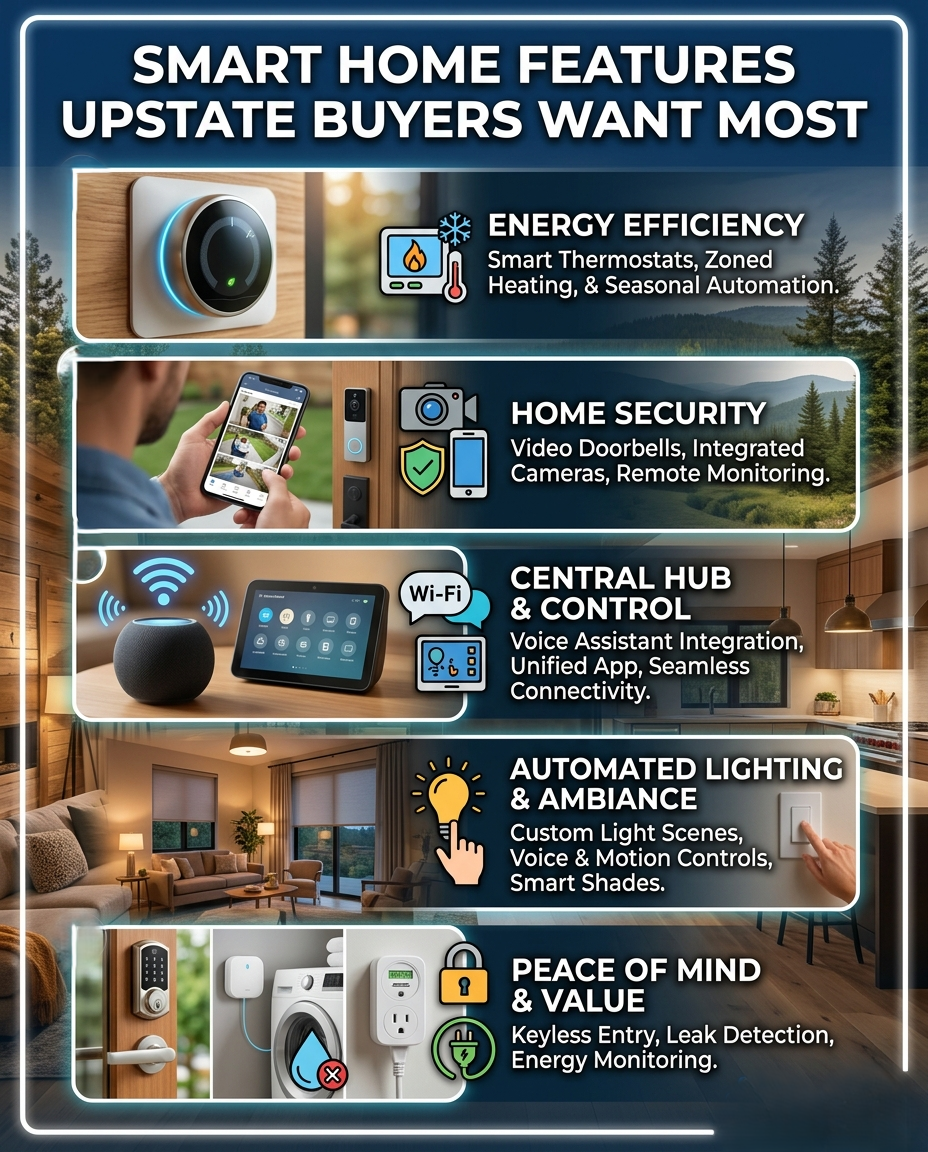
Smart home features have gone from a luxury add-on to a baseline expectation for a lot of Upstate buyers, especially the ones moving here from larger metros. I get the question constantly during showings — what is this thermostat, does the front door lock from a phone, what happens if the power goes out. Some buyers care about every feature. Others care about exactly one or two and ignore the rest. Either way, the smart home conversation now shows up in almost every offer I write.

Here is what I am seeing in the Upstate market — which features matter, which are oversold, and what to look for if you are buying a home and plan to upgrade or replace any of it.

The Features Buyers Ask About First

A few categories come up almost every week in showings.

Smart Thermostats

Nest, Ecobee, and the builder-installed equivalents are the most common request, and for good reason. The Upstate has real summer heat and meaningful winter cold. A smart thermostat that actually learns your schedule can cut a monthly electric bill noticeably. Most resale homes I list either already have one installed or have wiring set up for it. If you are buying a home built in the last five years, expect one as a baseline.

Smart Locks and Video Doorbells

For buyers coming from Atlanta, Charlotte, or further north, this is often a non-negotiable. Ring, Nest, August, and the integrated builder packages are all common. Video doorbells in particular have become almost standard on new construction. Worth checking who owns the cloud subscription on a resale — sometimes the previous owner’s account is still tied to the camera and needs to be released before transfer.

Smart Garage Doors and Openers

Quietly one of the most-used features in the homes I sell. MyQ and the Chamberlain-style smart openers integrate with phones and home routines, and for buyers with kids coming home from school or contractors who need access, it ends up being one of the things they use every day.

Built-In Wi-Fi and Mesh-Ready Networks

This is the feature that has changed the most over the last few years. Builders are now pre-wiring homes for mesh networks, and a number of luxury builds include enterprise-grade equipment as standard. Greenville new homes are leading the way on this — more new construction here is shipping with structured wiring, multiple wired access points, and dedicated network closets than I saw even three years ago.

Smart Lighting and Switches

Lutron Caséta is the most common request from buyers who care about lighting specifically. Whole-house systems are still mostly a luxury feature, but smart switches in key rooms — kitchen, primary suite, living areas — show up across price points. Worth checking the existing brand if you plan to expand the system later; not everything is cross-compatible.

Smart Home Features Upstate Buyers Want Most

The Features That Are Oversold

A few things get marketed as smart home features that buyers should look at with a clear eye.

Whole-House Audio

Beautiful in theory. In practice, most buyers I work with disconnect or stop using the in-ceiling speakers within a year, especially if they prefer their own Sonos or HomePod setup. If a home has it, fine. If it does not, do not pay extra for it.

Smart Refrigerators

The touchscreen-on-the-fridge trend has cooled. The screens get outdated quickly, repairs are expensive, and most of what people thought they wanted from a smart fridge ended up being something they did from their phone instead. If a smart fridge is included in the sale, look up the model and check whether the software is still being supported.

Voice Assistants Built Into the Walls

Built-in Alexa or Google Assistant speakers in the walls or ceiling looked great in builder showrooms a few years ago. Many of those systems are now outdated, and the resale value is essentially zero. Retail smart speakers do the same thing better and can be replaced for under a hundred dollars when they age out.

What to Check During Inspection

If smart home features are part of why you wanted a particular home, the inspection is the right time to verify the basics.

  • Confirm every smart device is actually working, not just installed. Ask for a demonstration on each one.
  • Verify the prior owner removes their accounts before closing. Cameras, locks, thermostats, and security panels all need to be released from their phones.
  • Check the age of the equipment. A smart thermostat from 2014 is essentially obsolete. A smart lock from 2017 may not get firmware updates much longer.
  • Look at the network gear. Older routers and access points can bottleneck the rest of the system. If the home has a structured wiring panel, look inside it.
  • Ask about security systems specifically. Some are tied to monitoring contracts that need to be cancelled or transferred. Others are owned outright and can stay as-is.

Where Smart Home Demand Is Strongest in the Upstate

New construction in Boiling Springs new homes consistently includes a smart home package — typically a thermostat, video doorbell, and smart lock at minimum, with optional upgrade packages from there. Production builders have made these features part of their base offering, which has changed buyer expectations across the board.

Spartanburg real estate runs a bit more split. Newer construction in the suburbs matches the rest of the Upstate, but older neighborhoods inside the city limits and historic areas often need substantial upgrades to support the same features. That is not a deal-killer — it just changes the budget picture.

Luxury homes across the region are where you see the most ambitious systems — whole-home automation, integrated audio-video, security, lighting, and climate all on one platform. These are also the systems most likely to be obsolete within five to ten years, so the long-term thinking matters.

What I Tell Buyers

Smart home features add real value when they match how you actually live. Buy a thermostat and a smart lock first. Layer in lighting if you care about lighting. Add cameras if you care about security. Skip the integrated whole-house systems unless you have someone in the family who is going to actually maintain them.

If you are touring homes and want to know what is built in, what is bolted on, and what is going to need to be replaced in the next few years, that is part of what a good agent should be helping you sort through. Reach out and we will walk through it on whatever home you are considering.

Posted in For Buyers
June 2, 2026

Luxury Living in Landrum

Landrum is small. About 2,500 people inside the city limits, tucked into the northern corner of Spartanburg County right where South Carolina runs into the North Carolina foothills. That smallness is part of the appeal. Buyers who land here are usually not chasing square footage and amenity bells. They are after a specific kind of life — quiet roads, big pastures, mountain views, a working downtown, and neighbors who probably ride horses or know who does.

For buyers used to luxury markets in larger cities, Landrum can take a beat to read. The luxury here is different. It is rarely about a gated entrance or a builder’s spec mansion. It is about land, privacy, and the slow rhythm of foothills living. Once that clicks, the market opens up.

What Luxury Looks Like in Landrum

Most of the high-end inventory in and around Landrum sorts into a handful of categories. Equestrian estates with barns, paddocks, and fencing in place are a big part of the picture, often on ten or more acres. Mountain-view homes along the ridges leading toward Tryon and Saluda are another consistent category. The historic homes in the downtown core and the older Landrum neighborhoods carry a character that newer construction does not replicate. And there is a steady stream of custom homes on larger parcels where the buyer worked with a builder to design something specific to the site. Many of these properties function as second homes or weekend retreats for buyers based in Atlanta, Charlotte, Greenville, or Charleston.

Pricing has moved up over the last several years, particularly on equestrian properties and homes with real mountain views. Strong inventory is harder to come by, and well-built homes on five acres or more tend to move faster than the general market.

The Equestrian Pull

It is hard to write about Landrum without writing about horses. The Foothills Equestrian Nature Center sits a few minutes from downtown. The Tryon International Equestrian Center pulls in riders from across the country. Landrum’s downtown calendar revolves to some degree around the horse community, and the surrounding pastures and barns are part of the visual landscape.

For buyers in the equestrian world, this is the draw. Property requirements get specific quickly — water for paddocks, soil type for a riding ring, distance to good vet services, easy trailer access, proximity to coverage of major events. If equestrian features are central to your search, Spartanburg horse property listings is the right starting point, and much of what shows up there sits in the Landrum and Campobello area.

Mountain Views and the Foothills

The terrain here matters. The Blue Ridge Escarpment runs right at the upper edge of Landrum, which is what gives the area its dramatic ridges, view corridors, and microclimates. Homes with real long-range mountain views are not as common as listing language sometimes suggests, so it is worth driving the actual property in different conditions to see what the view looks like in summer leaf, in winter, and at sunset.

If you are open across the Upstate on terrain, homes with mountain views gives you a broader sense of what is available in the region. Landrum sits at the higher end of the topography spectrum, but a number of communities further south have view lots too.

Downtown Landrum

Downtown Landrum has a tight, walkable Main Street that anchors a lot of the lifestyle here. Restaurants, antique shops, a strong local coffee culture, and a calendar of community events make the town feel bigger than its population. Houses inside walking distance of downtown trade at a premium when they come up. Many are historic with original features that buyers from outside the area often did not expect to find at the price point.

Why Buyers Are Choosing Landrum

The Landrum buyer profile has shifted in the last decade. I see consistent activity from equestrian buyers moving in from Wellington, Florida or further north, drawn by the Tryon scene. Retirees who looked at the larger Upstate cities and decided they wanted something smaller and slower. Second-home buyers from Charlotte and Atlanta using Landrum as a weekend property. Remote workers who want significant privacy and acreage without giving up reasonable airport access through Greenville-Spartanburg or Asheville. And long-term locals upgrading into custom builds on family-held land.

That mix makes the market less reactive to short-term swings than larger metros. Many buyers here are paying cash or putting significant equity down, and many are buying for ten- to twenty-year horizons.

Luxury Living in Landrum

Practical Things to Know Before You Buy

A few things worth thinking through before you write an offer on a Landrum property:

  • Water source matters. Many properties run on private wells. Have the well tested and the flow rate verified during your inspection period.
  • Septic systems are common. Know the age, capacity, and last service date. Ask about any history of failures.
  • Acreage rarely comes flat. Build sites, riding rings, and pasture quality depend heavily on slope and drainage. Walk the land with someone who knows what to look for.
  • Internet quality varies. If you work remotely, verify actual upload and download speeds at the property, not just the carrier’s coverage map.
  • Insurance is its own conversation. Older homes, wood stoves, distance to fire stations, and outbuildings all factor in. Get a real quote during the inspection period rather than assuming.

Where Landrum Fits Against the Rest of the Upstate

If you want to keep luxury options across multiple price tiers, it can help to compare Landrum to other Upstate markets directly. Boiling Springs luxury homes gives a sense of what high-end production communities look like in the broader Spartanburg market. Greenville luxury inventory shows another flavor entirely — more urban, more new construction, more amenity-driven. Landrum tends to win when the buyer prioritizes land, privacy, and the foothills lifestyle. The other markets win when amenities and convenience top the list.

The Long View

Landrum is not going to scale into a Greenville or a Spartanburg. The geography and the local zoning do not allow it. That is part of what protects long-term value here. The supply of true equestrian land, true mountain-view parcels, and true historic homes is essentially fixed. As more buyers from larger metros discover this corner of the Upstate, demand keeps pushing against a relatively flat supply.

If you are thinking about Landrum, the right next step is to walk a few properties and feel the difference between listings on paper and properties on the ground. That is where the decision actually gets made. Reach out and we will set up a thoughtful tour.

June 1, 2026

Living Near the Swamp Rabbit Trail

The Swamp Rabbit Trail is one of the biggest reasons buyers fall in love with the Upstate. It runs a little over twenty miles from Greenville up through Travelers Rest, threading along the Reedy River and out toward the foothills. For a lot of clients I work with, the question stops being “Where in the Upstate should we look?” and starts being “Which neighborhoods sit closest to the trail?” Once you have spent a weekend on it, that shift makes sense.

Buyers move here from Charlotte, Atlanta, Asheville, and as far away as the Northeast specifically because they want this kind of daily access to walking, biking, and the outdoors without giving up a real downtown. The trail makes that possible. Below is a practical look at what living near it actually looks like — what to expect from the housing stock, where the best access points are, and what to watch out for when you start touring homes.

Why Buyers Are Drawn to the Trail

The appeal is hard to overstate once you have spent time on it. Mornings on the Swamp Rabbit feel like a small-town greenway — runners, cyclists, parents with strollers, dogs, and the occasional person commuting into Greenville by bike. The path is paved, mostly flat, and wide enough for two-way traffic. You can ride from Furman University into downtown Greenville in well under an hour and barely think about traffic.

For homeowners, this translates into something specific: a daily lifestyle, not a weekend activity. Buyers who live close enough to walk or roll onto the trail tend to use it constantly. That changes how they think about driving, about gym memberships, about where they meet friends for coffee. It also shows up in property values along the corridor, which have held up well even in slower market cycles.

Living Near the Swamp Rabbit Trail

Travelers Rest: The Northern Anchor

Travelers Rest sits at the upper end of the trail and has built much of its modern identity around it. The downtown stretch along Main Street is walkable from several established neighborhoods, and new construction continues to push out toward Highway 25 and Geer Highway. If you want to be inside the city limits and within a short walk of the trail, look at homes near Trailblazer Park and the area south of downtown along Center Street. If you want more land and a quieter setting, the area up toward Cleveland and into the foothills still gives you trail access without the downtown noise.

For buyers exploring this market, Travelers Rest homes for sale is the right place to start. The inventory mix is interesting — you will see older bungalows in the historic core, mid-century ranch homes a few streets out, and a steady supply of newer construction in the surrounding areas. Pricing covers a wide range, which is part of why Travelers Rest works for first-time buyers and second-home owners alike.

Things to Know If You Are Buying Near Downtown TR

  • Lot sizes are smaller than what you find further out, especially in the older sections
  • Older homes often need updated electrical, HVAC, or roofing — get a thorough inspection
  • Walkability is real here, but check the actual route to the trail; some streets get steep
  • Short-term rental demand is strong, but the city has rules worth reviewing before you buy with that intent

Greenville Side of the Trail

The southern end of the trail runs into Greenville and connects right into Falls Park downtown. Neighborhoods along this side of the corridor have seen some of the most consistent appreciation in the region. If you are open to looking on the Greenville end, Greenville real estate offers a broader inventory, from historic cottages in North Main to newer townhomes closer to the river. The trade-off is price — being inside the Greenville city limits with trail access generally costs more per square foot than the same proximity in Travelers Rest.

If new construction is on your list, Greenville new homes is worth a look. Several builders have prioritized the corridor between Greenville and Travelers Rest, and a number of newer communities sit close enough to access the trail without driving.

Practical Considerations for Buyers

When clients tell me they want a home “on the trail,” I usually slow them down a little. Direct frontage on the trail is rare, and homes that border it tend to sell quickly and at a premium. What is more common — and often more livable — is a home a few blocks back, where you have a quiet street, a normal yard, and a five-to-ten-minute walk or ride to an access point.

A few things I tell every buyer touring this corridor:

  • Check the actual access point. Some neighborhoods look close on the map but require you to cross a busy road or navigate a narrow shoulder to reach the trail.
  • Pay attention to flood maps. The trail follows the Reedy River, and parts of the corridor sit in or near flood-prone areas. Insurance costs can move significantly within a few hundred feet.
  • Look at older homes carefully. Many of the most charming streets along the trail have houses from the 40s, 50s, and 60s. Lovely homes, but plan for older systems.
  • Think about parking and noise. Properties near trail access points sometimes see weekend overflow parking — usually not a problem, but worth knowing if you are sensitive to it.

Who This Lifestyle Fits

I see four buyer profiles consistently along the Swamp Rabbit corridor. Out-of-state retirees who want a walkable, active retirement and do not want a golf community. Remote workers who moved here during or after the pandemic and treat the trail as their daily reset. Young families who want their kids to grow up biking instead of being stuck in the car. And second-home buyers from Charlotte or Florida who use a Travelers Rest cottage as a long weekend base.

If any of those sound like you, the trail corridor is worth a serious look. The lifestyle is real, the inventory has range, and the long-term demand is unlikely to soften any time soon.

If you want to walk specific streets or compare a few homes side by side, that is what I do all day. Reach out and we will put a tour together that lines up with how you actually want to live here.

April 15, 2026

Real Estate Terminology Explained for First-Time Buyers in Upstate SC

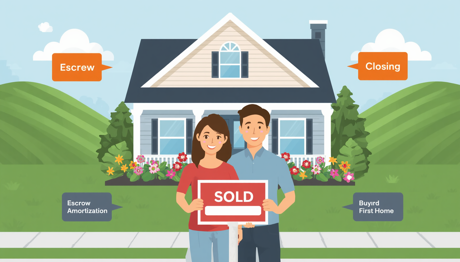
Buying your first home in Upstate South Carolina is exciting—but let’s be honest, the process can feel like learning a new language. From “escrow” to “amortization,” real estate terminology can quickly overwhelm even the most motivated buyers.

This guide breaks down the most important real estate terms in plain English—so you can navigate the Upstate SC housing market with confidence, whether you're buying, selling, or investing.

escrow

Why Understanding Real Estate Terms Matters

Real estate transactions involve legal contracts, financing, and negotiations. Misunderstanding a single term could lead to delays, unexpected costs, or poor decisions.

According to industry resources, mastering basic terminology helps buyers make informed decisions and avoid costly mistakes during the homebuying process

Key Real Estate Terms Every First-Time Buyer Should Know

1. Mortgage

A mortgage is a loan used to purchase a home. You agree to repay the lender over time, typically in monthly payments that include principal and interest.

  • Mortgagor = borrower
  • Mortgagee = lender

2. Pre-Approval

A pre-approval is a lender’s written estimate of how much you can borrow based on your financial situation.

  • Strengthens your offer in competitive Upstate markets like Greenville or Spartanburg
  • Helps you set a realistic budget

3. Appraisal

An appraisal is a professional estimate of a home’s market value conducted by a licensed appraiser.

  • Required by lenders before approving a loan
  • Ensures you’re not overpaying for a property

4. Escrow

Escrow refers to a neutral third-party holding money and documents until all conditions of the sale are met.

  • Often holds earnest money deposits
  • May also manage property taxes and insurance payments

Think of escrow as a “safety zone” protecting both buyer and seller during the transaction.

5. Earnest Money

Earnest money is a deposit you submit with your offer to show you’re serious about buying.

  • Typically, 1–3% of the purchase price
  • Applied toward your down payment or closing costs
  • May be forfeited if you back out without valid contingencies

6. Closing Costs

These are fees paid at the end of the transaction (closing), typically ranging from 2% to 5% of the home price.

They may include:

  • Loan origination fees
  • Title insurance
  • Attorney fees
  • Taxes and recording fees

7. Contingency

A contingency is a condition that must be met for the sale to proceed.

Common contingencies include:

  • Financing approval
  • Home inspection
  • Appraisal value

If a contingency isn’t met, you may be able to walk away without losing your deposit.

8. Home Inspection

A home inspection is a professional evaluation of the property’s condition.

  • Identifies structural issues, safety concerns, or needed repairs
  • Gives buyers leverage to negotiate repairs or price adjustments

9. Loan-to-Value Ratio (LTV)

LTV measures how much you’re borrowing compared to the home’s value.

Example:

  • Home price: $300,000
  • Loan: $270,000
  • LTV = 90%

A higher LTV often means higher risk for lenders and may require additional insurance.

10. Private Mortgage Insurance (PMI)

PMI is insurance required if your down payment is less than 20%.

  • Added to your monthly mortgage payment
  • Protects the lender—not the buyer

11. Amortization

Amortization refers to how your loan is paid off over time through scheduled payments.

  • Early payments = mostly interest
  • Later payments = more principal

12. Title & Title Insurance

  • Title: Legal ownership of the property
  • Title Insurance: Protects against disputes or claims on ownership

This is especially important in older Upstate SC properties where ownership history may be complex.

How These Terms Apply to the Upstate SC Market

Upstate South Carolina (including Greenville, Anderson, and Spartanburg) continues to attract buyers due to its affordability and quality of life.

Here’s how terminology plays out locally:

  • Competitive offers often require strong pre-approval and earnest money
  • Appraisals are critical in fast-moving markets where bidding wars occur
  • Inspections are especially important for older homes common in the region
  • Closing timelines may vary depending on local attorneys and lenders

Pro Tips for First-Time Buyers

  • Work with a knowledgeable local real estate agent who understands Upstate SC trends
  • Ask questions—there’s no such thing as a “dumb” question in real estate
  • Review every document carefully before signing
  • Don’t just learn terms—understand how they affect your money

Final Thoughts

Real estate terminology doesn’t have to be intimidating. Once you understand the basics, you’ll feel more confident making decisions, negotiating deals, and ultimately purchasing your first home.

Whether you're buying your first property in Greenville or investing in Spartanburg, mastering these terms puts you one step ahead in the market.

Posted in For Buyers, For Sellers
April 8, 2026

Where to Find Lakefront Property in Anderson County

Lakefront living is one of the most desirable real estate niches in today’s market—and Anderson County, South Carolina stands out as a prime destination for buyers, sellers, and investors alike. With scenic shorelines, recreational amenities, and a range of price points, this Upstate region offers exceptional opportunities for waterfront ownership.

In this guide, we’ll explore where to find lakefront property in Anderson County, what to expect in the market, and how to make a smart investment.

Lake Hartwell

Why Anderson County is a Lakefront Hotspot

Anderson County is home to several beautiful lakes, but what truly sets it apart is the variety of property types—from affordable lots to luxury estates.

Some key highlights:

  • Strong demand for waterfront homes due to lifestyle appeal
  • Proximity to Greenville and Clemson
  • Year-round recreation including boating, fishing, and kayaking
  • Inventory ranging from vacant land to multi-million-dollar homes

According to recent listings, lakefront properties in Anderson County can range from under $150,000 for lots to over $2 million for luxury homes, with average listings exceeding $1.1 million depending on acreage and location.

Top Lakes to Find Lakefront Property

1. Lake Hartwell

Lake Hartwell is the crown jewel of Anderson County lakefront real estate.

  • Over 56,000 acres of water (including surrounding areas)
  • Popular for boating, fishing, and waterfront living
  • Wide selection of homes, docks, and buildable lots

Where to look:

  • Townville
  • Fair Play
  • Anderson (west side)

Best for: Primary residences, vacation homes, and short-term rental investments

2. Broadway Lake (Affordable Waterfront Option)

Broadway Lake offers a more budget-friendly entry point into lakefront ownership.

  • Smaller (around 267 acres)
  • Less crowded than larger lakes
  • More affordable homes and land

Where to look:

Anderson (central locations near town amenities)

Best for: First-time buyers and long-term rental investors

3. Lake Secession (Quiet & Scenic Living)

Lake Secession is known for its peaceful atmosphere.

  • Approximately 1,300+ acres
  • Limited commercial development
  • Ideal for privacy and nature lovers

Where to look:

  • Iva
  • Rural Anderson County

Best for: Retirement homes, second homes, and buyers seeking tranquility

4. Richard B. Russell Lake (Undeveloped & Natural)

Richard B. Russell Lake is a hidden gem for buyers who value untouched shoreline.

  • Over 24,000 acres
  • Minimal dock development (protected shoreline)
  • Strong appreciation potential

Where to look:

  • Southern Anderson County
  • Near Fair Play

Best for: Land investors and conservation-minded buyers

Key Areas & Communities to Watch

When searching for lakefront property in Anderson County, these areas consistently stand out:

  • Townville – High-end lakefront homes and luxury builds
  • Fair Play – Popular for second homes and vacation rentals
  • Iva – Affordable land and quiet lake access
  • Anderson (city outskirts) – Balance of convenience and waterfront living

Recent listings show everything from dock-ready lots to multi-acre estates, with some properties already featuring boat access and waterfront infrastructure.

Investment Opportunities in Lakefront Real Estate

Lakefront property in Anderson County isn’t just about lifestyle—it’s also a strong investment play.

1. Short-Term Rentals

Lake Hartwell properties, in particular, perform well as vacation rentals due to:

  • Proximity to Clemson University
  • Seasonal tourism
  • Waterfront amenities

2. Land Banking

Vacant lakefront lots—especially in less developed areas—offer:

  • Lower entry price
  • Long-term appreciation potential

3. Luxury Market Growth

High-end waterfront homes continue to gain traction as buyers relocate for lifestyle upgrades.

Tips for Buying Lakefront Property

Before purchasing, keep these important factors in mind:

  • Dock permits & shoreline regulations (especially on Corps-managed lakes)
  • Water depth and accessibility
  • Flood zones and insurance requirements
  • HOA or community restrictions
  • Seasonal water level fluctuations

Working with a local real estate expert familiar with lakefront properties is essential to navigate these details.

Final Thoughts

If you’re wondering where to find lakefront property in Anderson County, the answer depends on your goals:

  • Luxury living: Lake Hartwell
  • Affordability: Broadway Lake
  • Privacy: Lake Secession
  • Investment potential: Richard B. Russell Lake

With a diverse inventory, strong demand, and unmatched natural beauty, Anderson County continues to be one of the most attractive lakefront markets in the Southeast.

Posted in For Buyers, For Sellers
March 24, 2026

How Upstate SC's Homestead Exemption Works (2026 Guide)

If you’re buying, selling, or investing in real estate in Upstate South Carolina—Greenville, Spartanburg, Anderson, or surrounding markets—understanding the Homestead Exemption can significantly impact your long-term housing costs and investment strategy.

This guide breaks down how the exemption works, who qualifies, and what it means for property values and buyer behavior in the Upstate.

Homestead

What Is the South Carolina Homestead Exemption?

The South Carolina Homestead Exemption is a property tax break designed to reduce the tax burden for certain homeowners.

At its core, the program exempts the first $50,000 of your home’s fair market value from property taxes.

That means if your home is valued at $300,000, property taxes are only calculated on $250,000—potentially saving you hundreds of dollars annually.

In fact, many homeowners save around $600 per year on average, depending on local tax rates.

Who Qualifies for the Homestead Exemption?

Not every homeowner qualifies—and this is where many buyers and sellers misunderstand the program.

To be eligible, you must meet all of the following:

1. Ownership & Residency

  • Own and occupy the home as your primary residence (legal residence)
  • Be a South Carolina resident for at least one full year

2. Meet One of These Criteria

You must fall into at least one category:

  • Age 65 or older
  • Totally and permanently disabled
  • Legally blind

Key Deadlines and How to Apply

  • File with your County Auditor’s Office
  • Ideal deadline: July 15 of the tax year
  • Late applications may still be accepted before penalties begin

Once approved, the exemption typically renews automatically, as long as you remain eligible.

Why This Matters in the Upstate Real Estate Market

1. Lower Cost of Ownership for Retirees

The Upstate—especially areas like Greenville and Travelers Rest—has become a hotspot for retirees relocating from higher-tax states.

The Homestead Exemption:

  • Reduces fixed housing costs
  • Makes ownership more predictable
  • Enhances affordability for aging homeowners

This directly increases demand for single-story homes, townhomes, and low-maintenance properties.

2. A Hidden Advantage When Selling a Home

If you’re selling a home to a buyer who qualifies:

  • You can position the property as “tax-advantaged”
  • Highlight potential annual savings in your listing

However, remember:

  • The exemption does NOT transfer automatically
  • Buyers must apply themselves after closing

3. Important Insight for Real Estate Investors

Investors need to understand what the Homestead Exemption does NOT do:

  • It does not apply to rental or second homes
  • It does not reduce taxes for LLC-owned properties
  • It does not benefit short-term rental investments

This creates a tax gap:

  • Owner-occupied homes (4% assessment ratio + exemptions)
  • Investment properties (higher effective tax burden)

Result: Investors often face higher holding costs, which can influence:

  • Rental pricing
  • Cash flow projections
  • Long-term ROI

Homestead Guide

Homestead Exemption vs. “Legal Residence” (Common Confusion)

Many Upstate buyers confuse two different tax benefits:

Legal Residence (4% Assessment Ratio)

  • Applies to primary residences
  • Reduces taxable value significantly

Homestead Exemption

  • Applies only to qualified individuals (65+, disabled, blind)
  • Removes $50,000 from taxable value

You can qualify for both, and together they create substantial tax savings.

Real Estate Strategy: How to Use This Knowledge

For Buyers

  • If you’re nearing 65, factor future tax savings into your purchase decision
  • Prioritize homes you plan to age in place

For Sellers

  • Market your home to downsizers and retirees
  • Emphasize tax benefits in listing descriptions

For Investors

  • Always calculate taxes using the non-owner-occupied rate
  • Don’t assume exemptions apply when analyzing deals

Final Thoughts

The Homestead Exemption is one of the most underutilized financial advantages in South Carolina real estate. With many eligible homeowners failing to claim it, there’s a real opportunity for buyers and sellers to make smarter, more informed decisions.

In a fast-growing Upstate market, understanding property taxes isn’t just helpful—it’s a competitive edge.

Posted in For Buyers, For Sellers
March 5, 2026

Best School Districts in the Upstate SC for Homebuyers

For many homebuyers relocating to Upstate South Carolina, school quality is one of the biggest factors influencing where they purchase a home. Even for buyers without children, properties located in top-rated school districts tend to hold value better and attract stronger long-term demand.

From Greenville to Spartanburg and Anderson counties, the Upstate offers several highly regarded public school systems known for academic performance, extracurricular opportunities, and strong graduation rates. Below is a guide to some of the best school districts in Upstate SC and why they matter for homebuyers, sellers, and real estate investors.

Schools District

Why School Districts Matter in Real Estate

School districts significantly influence property values and buyer demand. Homes in desirable school zones often:

  • Sell faster than comparable homes in lower-rated districts
  • Maintain stronger resale values
  • Attract relocating families and professionals
  • Provide long-term investment stability

According to the South Carolina Department of Education report cards, school performance is measured by factors such as academic achievement, student progress, graduation rates, and college/career readiness.

Because of this, homes within top-performing districts in the Upstate consistently remain some of the most competitive real estate markets in the region.

1. Greenville County Schools (Greenville, Simpsonville, Greer)

Greenville County Schools is the largest school district in South Carolina and widely considered one of the strongest education systems in the Upstate.

Why It Stands Out

  • Serves nearly 78,000 students across the county
  • Strong academic performance and diverse academic programs
  • Highly ranked magnet and specialty schools

The district continues to show strong outcomes. In the 2024–2025 school year, Greenville County Schools reached a record graduation rate of 90.6%, outperforming the state average of 86.7%.

Additionally, 85% of graduates met college or career readiness benchmarks, highlighting the district’s focus on preparing students for post-graduation success.

Notable High Schools

Several schools in the district have ranked among the top high schools in South Carolina, including:

  • Riverside High School
  • Eastside High School
  • Mauldin High School
  • J.L. Mann High Academy
  • Greenville Senior High Academy

These schools have appeared in national rankings due to strong test scores, AP participation, and graduation rates.

Best Areas for Buyers

Homebuyers seeking access to top Greenville schools often focus on:

  • Simpsonville
  • Greer
  • Five Forks
  • Travelers Rest
  • Eastside Greenville

These communities offer a mix of suburban neighborhoods, new construction homes, and family-friendly amenities.

2. Spartanburg School District 5 (Duncan, Lyman, Wellford)

Spartanburg District 5 is frequently recognized as one of the top-performing districts in Spartanburg County.

Why Families Choose It

  • Consistently strong test scores and graduation rates
  • Rapid population growth due to new housing development
  • Modern campuses and athletic facilities

Communities like Duncan, Lyman, and Wellford have experienced significant residential growth because of their proximity to both Greenville and Spartanburg employment centers.

Popular Schools

Some of the district’s most well-known schools include:

  • Byrnes High School
  • D.R. Hill Middle School
  • River Ridge Elementary

Because of its location near major employers and the BMW manufacturing plant in Greer, District 5 is especially popular among relocating professionals.

3. Anderson School District One (Powdersville & Wren Areas)

Located between Greenville and Anderson, Anderson School District One has become a hotspot for families seeking excellent schools with slightly more affordable housing.

What Makes It Attractive

  • Highly regarded schools in Powdersville and Wren areas
  • Rapidly growing suburban communities
  • Strong athletics and extracurricular programs

Areas served by this district include:

  • Powdersville
  • Piedmont
  • Williamston
  • Wren

Many homebuyers moving from Greenville find this area appealing because it offers larger homes and newer neighborhoods at competitive prices.

4. Spartanburg School District 2 (Boiling Springs Area)

Spartanburg District 2 serves the rapidly expanding Boiling Springs community.

Key Advantages

  • Highly rated elementary and middle schools
  • New residential developments and family-friendly neighborhoods
  • Close proximity to Interstate 85 and I-26

Boiling Springs has become one of the fastest-growing housing markets in the Upstate, partly due to the strength of its local schools.

5. Pickens County School District (Easley & Clemson)

Pickens County Schools serve communities such as Easley, Clemson, and Pickens.

Why Buyers Consider This District

  • Access to Clemson University’s educational resources
  • Competitive academics and extracurriculars
  • Popular suburbs with scenic mountain views

Many buyers relocating to the Upstate appreciate the balance of small-town living and access to major universities.

In Upstate South Carolina, homes located in top-performing school zones often experience:

  • Higher resale values
  • Greater buyer demand
  • Lower days on market

Even investors pay close attention to school zoning because it significantly influences rental demand and long-term appreciation.

Final Thoughts

The Upstate SC region offers several excellent school districts, making it an attractive destination for families relocating to South Carolina. Communities in Greenville, Simpsonville, Greer, Powdersville, and Boiling Springs consistently rank among the most desirable areas thanks to strong schools, growing job markets, and high quality of life.

Posted in For Buyers, For Sellers
Feb. 20, 2026

Top 5 Parks & Recreation Spots That Add Value to Nearby Homes in Upstate SC

Whether you're buying, selling, or investing, one thing savvy homeowners understand is this: proximity to quality parks and recreational spaces almost always enhances property desirability — and often value. Green spaces give families places to play, offer scenic escapes from daily life, and create vibrant community hubs buyers actively seek. Studies show homes near well-maintained parks often command a price premium compared to similar properties elsewhere.

Here are five standout recreation destinations across Upstate South Carolina that elevate nearby real estate — and what makes them magnets for homebuyers.

1. Falls Park on the Reedy — Downtown Greenville’s Jewel

Park

Nestled in the heart of Greenville, Falls Park on the Reedy is one of the region’s most beloved urban parks. Centered around dramatic waterfalls and the iconic Liberty Bridge, this 32-acre retreat blends natural beauty with walkable pathways, picnic spots, public gardens, art installations, and just steps from shops and restaurants.

Real Estate Impact:

Homes near Falls Park, especially in Greenville’s West End and Downtown, benefit from walkable access to vibrant social life and scenic landscapes — a combination that consistently attracts move-in buyers and drives demand.

2. Paris Mountain State Park — Nature Without Leaving Town

State Park

Just minutes from Greenville neighborhoods, Paris Mountain provides more than 1,500 acres of lakes, shaded trails, cascading streams, and picnic sites. Hikers, bikers, and paddleboarders all find a home here.

Why It Adds Value:

Properties with quick access to sprawling trail systems and outdoor amenities appeal strongly to active buyers — especially families, outdoor enthusiasts, or anyone valuing healthy, natural lifestyles.

3. The Swamp Rabbit Trail — Connectivity and Community

Not a traditional park but easily one of the most valuable recreational assets in the region, the Swamp Rabbit Trail connects Greenville’s neighborhoods through multi-use pathways for walking, jogging, and biking. Stretching over 20 miles and linking to restaurants, breweries, and residential districts, it boosts quality of life.

Neighborhood Edge:

Properties adjacent or close to the trail see higher interest from buyers who prize walkability and connectivity, qualities that often command stronger sale prices and quicker market movement.

4. Lake Keowee & High Falls County Park — Waterfront Living

Lake Keowee is one of Upstate SC’s most attractive lake communities, boasting miles of shoreline, boating, fishing, and scenic water views — and the nearby High Falls County Park offers launches, picnic areas, playgrounds, and courts for year-round fun.

Value Boost:

Waterfront and lake access properties are perennial favorites among retirees, families, and weekend homebuyers, often holding value exceptionally well due to limited supply and premium lifestyle appeal.

5. Cleveland Park — Big-City Recreation Close to Home

Animal hospital

Along the scenic Reedy River in Greenville, Cleveland Park delivers tennis courts, softball and baseball fields, play areas, fitness trails, and the Greenville Zoo — making it a true community hub for all ages.

Homebuyer Appeal:

This park’s family-friendly amenities keep properties around North Main and adjacent neighborhoods highly sought after for everyday outdoor fun and active living.

Why Parks Matter More Now Than Ever

Across the U.S., proximity to green space continues to rank as a top priority among homebuyers. Parks contribute to:

  • Better mental and physical health
  • Walkability and lifestyle satisfaction
  • Scenic views and community gathering spaces
  • Strong resale value and buyer interest

Real estate agents consistently note that homes near quality parks and trails sell faster and often above list price, especially when marketed with those lifestyle benefits front and center.

Tips for Buyers, Sellers & Investors

For Buyers

Look beyond the house — look at the lifestyle. Proximity to parks and trails can make daily life more enjoyable and help future resale.

For Sellers

Highlight nearby recreation on your listing: trails, parks, lakes, and amenities tell a compelling story buyers respond to.

For Investors

Properties near parks and green spaces often yield strong rental demand and long-term stability, a key consideration in growth markets like Upstate SC.

Final Thought

Upstate South Carolina delivers some of the Southeast’s most diverse outdoor amenities — from urban parks to rugged lakeshores and mountain trails. These spaces enrich community life and play a real role in shaping local real estate desirability.

Posted in For Buyers, For Sellers
Jan. 30, 2026

Multi-Generational Living: How It’s Changing Home Design in Boiling Springs, Spartanburg & Greenville, SC

As homebuyers, sellers, and investors navigate the evolving real estate landscape in Boiling Springs, Spartanburg, and Greenville, South Carolina, one trend is rapidly reshaping housing demand: multi-generational living. What once was a niche lifestyle is now a driving force behind how people buy, sell, and design homes — and Upstate SC isn’t immune to this shift. In this post, we’ll explore what’s fueling the trend, how it affects home design, and what buyers and sellers should know in today’s market.

Why Multi-Generational Living Is on the Rise

Across the United States, multi-generational households — homes where two or more adult generations live under a single roof — are increasing. According to the National Association of Realtors (NAR), 17 % of homes purchased in 2024 were for multi-generational living, the highest share since the survey began tracking this trend.

So why is this happening?

1. Financial Pressures

With housing costs climbing and living expenses on the rise, families often find it more affordable to share one home rather than maintaining separate residences. Merging households can reduce overall costs and pool financial resources.

2. Caregiving Needs

Many buyers are choosing homes that accommodate aging parents or relatives who require assistance. Caring for older adults without resorting to assisted living can be both emotionally rewarding and financially sensible.

3. Cultural & Lifestyle Choices

Some families elect multi-gen living to strengthen bonds, share responsibilities like childcare, or honor cultural traditions that emphasize extended family living.

What This Means for Home Design in Upstate SC

As the trend grows nationally, homebuyers in Boiling Springs, Spartanburg, and Greenville, SC are increasingly looking for homes that support multi-generational living. Here are the top design features shaping today’s homes:

Dual Primary Suites

Buyers want more than just extra bedrooms. Dual primary suites — with private bathrooms and large closets — are becoming essential. These suites provide privacy and comfort for aging parents, adult children returning home, or long-term guests.

Accessory Dwelling Units (ADUs)

Homes that include or allow for the easy addition of an ADU (like a mother-in-law suite or backyard cottage) offer flexibility. These spaces provide an independent living area while keeping families on the same property — ideal for in-laws, older kids, or renters.

Flexible Floorplans

Open layouts with separate living zones help balance togetherness with privacy needs. For example:

  • Finished basements or loft spaces that convert into independent suites
  • In-law suites with separate entrances
  • Multi-purpose rooms (work, hobbies, grandchildren play areas)

Thoughtful Circulation & Accessibility

Features that support aging in place — such as zero-step entries, wide hallways, and first-floor primary bedrooms — are no longer luxury upgrades. They are practical necessities for families planning long-term multigenerational occupancy.

What Buyers in Boiling Springs & Upstate SC Are Looking For

In communities like Boiling Springs — a rapidly growing, family-friendly area with good schools and easy access to Greenville and Spartanburg — this trend has strong appeal.

Key buyer priorities include:

  • Homes with versatile living spaces that easily adapt to extended families
  • Larger square footage for added comfort
  • Separate suites or potential for rental income from ADUs
  • Proximity to quality schools, healthcare, and amenities that support all ages

These preferences are especially relevant for buyers deciding between single-family homes, townhomes with flexible layouts, or properties with space to build additions.

Why Investors & Sellers Should Pay Attention

Multi-generational housing isn’t just a trend — it’s reshaping buyer demand. Here’s what sellers and investors should know:

Higher Market Appeal

Homes with flexible layouts and multigenerational features can attract a broader pool of buyers — including families wanting to house parents, adult kids, or extended relatives under one roof.

Competitive Advantage

In markets like Spartanburg and Greenville where inventory can be tight, properties that are “multi-gen ready” can stand out and command stronger interest.

Future-Proof Value

As demographic shifts continue (such as aging populations and higher housing costs), features that support multi-generational living may retain or grow their value over time.

Final Thoughts

Multi-generational living is reshaping how people think about home — from the initial search to design priorities, and the way families envision their future together. In Boiling Springs, Spartanburg, and Greenville, SC, this trend offers opportunities for buyers seeking adaptable homes, sellers wanting a competitive edge, and investors eyeing properties with long-term demand.

Posted in For Buyers, For Sellers