Welcome to your Upstate SC Real Estate Resource!

This blog will offer a mix of our newest listings to come onto the market as well as some client testimonials. Here you will also find some useful resources on buying and selling a home in the Upstate of South Carolina and Western North Carolina. 

If you see a home that looks interesting or if you have any questions regarding all aspects of the Real Estate market please feel free to contact us! - Peggy


Jan. 8, 2026

Pros and Cons of Buying a Fixer-Upper in South Carolina

What Every Homebuyer, Seller & Investor Should Know in Today’s Market

The South Carolina real estate market continues to draw attention for its balanced growth and affordability compared to many other states. As of late 2025, the median sale price hovered around $370,000–$380,000 depending on the source, with homes appreciating modestly year-over-year — offering opportunities for both homeowners and investors alike.

A fixer-upper — a property sold as-is and in need of repair — can be an attractive path into this market, especially for buyers with vision (and patience). But they’re not for everyone. Below, we break down the key pros and cons based on national renovation trends and local market conditions.

What Is a Fixer-Upper?

A fixer-upper is typically a home priced below turnkey properties because it needs everything from cosmetic updates to major system overhauls (like plumbing, roofing, or electrical). These homes often sell as-is, meaning buyers take on the responsibility — and risks — of renovation.

Pros of Buying a Fixer-Upper in South Carolina

1. Lower Purchase Price & Entry Cost

One of the biggest draws of fixer-uppers is the initial affordability. These homes generally list below comparables that are move-in ready, potentially saving 10–30% or more up front.

In today’s SC market, where median home prices range around $370k–$380k, a fixer-upper can offer a significantly lower entry point into attractive neighborhoods that might otherwise be out of reach for first-time buyers or budget-conscious investors.

2. Potential for Built-In Equity

Renovations — if wisely executed — can immediately boost a home’s value. Strategically upgrading kitchens, bathrooms, curb appeal, and structural systems can produce strong return on investment (ROI). For investors or future sellers, this can translate into real profits if the after-repair value (ARV) exceeds total purchase + renovation costs.

3. Customization from the Ground Up

Unlike move-in ready homes, fixer-uppers give buyers the freedom to create a tailored home environment — from layout adjustments to design finishes that reflect personal style or target buyers in future resale scenarios.

4. Less Competition & Negotiation Power

Many buyers avoid fixer-uppers due to the work involved, which can reduce bidding wars and provide buyers with more leverage in negotiations. This can be especially helpful in tighter parts of the South Carolina market.

5. Strong Local Demand & Investment Climate

Growing regions like Charleston, Greenville, Columbia, and Myrtle Beach are attracting residents — from retirees to remote workers — which can increase demand for renovated homes and rental opportunities.

Cons of Buying a Fixer-Upper in South Carolina

1. Renovation Costs Can Be Unpredictable

Even the best-planned remodels often uncover hidden problems — from outdated electrical and plumbing to foundation issues — that add tens of thousands of dollars beyond initial estimates. Experts suggest budgeting an extra 10–20% contingency for unexpected issues.

2. Time-Consuming Process

Renovations can take months (or longer), and longer than originally planned. Whether coordinating contractors or securing permits, timelines can stretch out, delaying your move-in or resale plans.

3. Living Through Construction Is Disruptive

Unless you plan to renovate gradually or have alternate housing, living in a construction zone can be stressful. Families, remote workers, and those sensitive to disruption should think carefully about this reality.

4. Financing Complexity

Traditional mortgages often won’t cover homes in poor condition. Specialized renovation loans (like FHA 203(k) or similar products) exist but involve more paperwork and stricter requirements.

5. Risk of Over-Improving for the Neighborhood

If you invest heavily in upgrades that exceed neighborhood norms, you might not recover costs upon resale. Doing a solid comparative market analysis (CMA) with your agent before committing is crucial.

Final Thoughts: Is a Fixer-Upper Right for You?

Fixer-uppers are best suited for:

  • Buyers with renovation experience or a strong contractor network
  • Investors seeking equity growth or rental income
  • Buyers with flexible timelines and renovation budgets

They’re less ideal for:

  • First-time buyers with tight budgets and limited construction tolerance
  • Buyers needing quick move-in homes
  • Anyone uncomfortable with financial or project risk

If you’re considering a fixer-upper in South Carolina — whether as your next home or investment property — connecting with an experienced local agent early in the process can help you evaluate real renovation costs, financing options, and neighborhood comparable to make a smart, confident decision.

Posted in For Buyers, For Sellers
Dec. 25, 2025

What Out-of-State Buyers Should Know About Moving to Upstate South Carolina

If you’re thinking about relocating from another state, Upstate South Carolina is one of the Southeast’s most compelling real estate markets — offering a mix of affordability, lifestyle perks, and strong long-term value. Whether you’re a first-time homebuyer, relocating family, or an investor looking for growth, here’s what you need to know before making the move.

1. A Region That Blends Urban Amenities with Southern Charm

Upstate SC spans a 10-county region anchored by Greenville, Spartanburg, Anderson, and surrounding communities. It’s strategically positioned between Atlanta and Charlotte — giving residents both the convenience of big city access and the charm of Southern living. The region is known for walkable downtowns, scenic landscapes, and vibrant cultural scenes that appeal to buyers of all ages.

2. Affordability That Stretches Your Dollar Further

One of Upstate South Carolina’s biggest draws is its cost of living. Overall, living expenses in the Upstate are consistently below the U.S. average — including housing, transportation, and utilities.

Compared to major metros like Charlotte or Atlanta, homes in Anderson and Spartanburg often cost significantly less, giving buyers more purchasing power.

  • Median Home Prices: Upstate home costs typically run below national urban averages, with many markets still offering great value relative to other growth areas.

This affordability means many out-of-state buyers can get more square footage, acreage, or new construction than in their previous markets — without sacrificing quality of life.

3. A Growing Job Market with Diverse Opportunities

Upstate South Carolina’s economy continues to attract businesses and talent across industries. With hundreds of international companies and major manufacturers like BMW, Michelin, and healthcare firms in the region, job growth remains a strong factor driving relocation.

From advanced manufacturing and tech to healthcare and education, the job market offers opportunities that appeal to a wide range of professionals — making Upstate SC a smart choice if you’re moving for work or career growth.

4. Housing Market Trends: What Buyers Should Expect

The housing market in Upstate SC has evolved from a rapid seller’s market into a more balanced environment that favors prepared buyers. Recent data shows:

  • Sale-to-List Ratios near 98%, indicating homes are selling close to asking price.
  • Varied Market Activity by county — Spartanburg and Anderson offer balanced conditions with more inventory and buying flexibility, while luxury and lifestyle markets (like Oconee) see stronger demand.

For buyers relocating from high-cost states, this balance can mean more negotiating power and time to evaluate homes — especially if you come prepared with pre-approval.

5. Lifestyle Perks That Go Beyond Real Estate

Upstate SC isn’t just about homes — it’s about lifestyle:

Outdoor Recreation: With access to the Blue Ridge Mountains, lakes like Keowee and Hartwell, and hundreds of miles of bike trails, nature lovers will feel right at home.

Cultural & Community Vibe: From Greenville’s thriving downtown arts and food scene to Spartanburg’s rising cultural reputation, the region offers small-city sophistication with a welcoming, community-oriented feel.

Four Seasons & Weather: Residents enjoy mild winters and warm summers with plenty of sunshine — a welcome change if you’re relocating from colder climates.

6. Tips for Out-of-State Buyers

To make a smooth move, here’s what savvy buyers should consider:

Get Pre-Approved Before You Shop: With rising demand and competitive communities, having mortgage pre-approval positions you as a serious buyer.

Work with a Local Realtor: Local agents know neighborhood nuances — from school districts and taxes to future development plans.

Visit In Person (If Possible): Virtual tours are helpful, but nothing beats walking neighborhoods, trying local restaurants, and seeing commute times firsthand.

Understand Property Taxes & HOA Fees: South Carolina’s taxes and fees vary by city and county — factor these into your long-term budget.

Final Thoughts: A Great Move with Smart Planning

Upstate South Carolina is more than just a place to buy a home — it’s a place to live, grow, and build community. With attractive home prices, a growing economy, and an enviable quality of life, it’s no wonder buyers from across the U.S. are relocating to this region.

Posted in For Buyers, For Sellers
Dec. 12, 2025

Revitalization Projects in Downtown Greenville, SC: What Buyers Should Know

Downtown Greenville continues to captivate home buyers, investors, and sellers—but it’s not just the charm of historic Main Street, Falls Park on the Reedy, and vibrant dining that’s drawing attention. A series of large-scale revitalization projects is reshaping the urban core, bringing new housing, commercial space, jobs, and amenities that directly impact real estate values and lifestyle quality. Whether you’re buying your first home, selling an investment property, or scouting opportunity zones, understanding these developments can help you make smarter decisions in today’s market.

Greenville Gateway Project: Transforming the Skyline

One of the most anticipated initiatives is the Greenville Gateway Project, a $130 million mixed-use development set to redefine the downtown skyline at 250 North Church Street. Approved by the city’s Design and Review Board and expected to break ground in 2025, this 29-story project will deliver:

  • 342 residential units (a mix of apartments)
  • 12,000+ square feet of retail and commercial space
  • Public plazas and enhanced pedestrian connections
  • On-site parking for more than 350 vehicles

This development sits on a long-vacant site and is poised to create a lively urban hub for residents and visitors alike

Why it matters to buyers/investors: Gateway adds significant housing inventory and urban lifestyle appeal, boosting demand for nearby condos and rentals.

Laurens Road & Bolden Street District: Corridor Renewal

Beyond downtown’s core, the Laurens Road revitalization initiative is turning a long-underutilized commercial corridor into a connected, mixed-use district. This effort, supported through a Tax Increment Financing (TIF) district, will span more than 200+ acres, integrating:

  • Mixed-use residential and commercial development
  • New retail, dining, and open public spaces
  • Greenways and connections to the Swamp Rabbit Trail

Early phases, like the Legacy Connector trail, have already improved walkability and linkages to downtown. Future Bolden Street District plans could see transformative investment along the corridor by 2026.

Market impact: Transit-oriented development and trail access often correlate with rising property values and growing demand for walkable communities.

Historic West End & Fluor Field’s Ripple Effect

Fluor Field and the surrounding West End have long been catalysts for economic growth. A recent study estimates that the Greenville Drive’s presence has generated nearly $300 million in economic impact over 10 years, drawing half-a-million visitors annually and triggering hundreds of businesses permits within a half mile of downtown.

For investors: Cultural and entertainment anchors like this fuel steady foot traffic, supporting retail tenants and enhancing rental demand.

North Main & Other Mixed-Use Projects

New plans unveiled for the North Main neighborhood include:

  • Retail and dining redevelopment of a former anchor site
  • A proposed mixed-use project with ~650 apartments and 20,000 sq ft of commercial space
  • Community amenities such as green space and public parking

These projects are slated to begin construction as early as 2026, reflecting a broader trend of infill development and downtown living expansion.

Office & Urban Renovation Projects

Adaptive reuse and renovation are part of Greenville’s revitalization story. Example: a $15 million redevelopment of the 300 East McBee building now brings new office tenants, restaurants, and services to life, helping retain major employers downtown and improving pedestrian connectivity. 

greenvillebusinessmag.com

Why it matters: Office stability supports daytime population growth, benefiting surrounding retail and residential markets.

What This Means for Buyers, Sellers & Investors

Home Buyers

  • More options near walkable urban amenities and transit connections
  • Mixed-use living spaces make downtown lifestyles more attractive
  • Potentially stronger appreciation as revitalized corridors mature

Sellers

  • Increased buyer interest in areas near major projects
  • Improved neighborhood amenities can justify premium pricing
  • Projects like Gateway create fresh buzz and foot traffic

Investors

  • Opportunity in both long-term rentals and short-term urban properties
  • Retail and mixed-use tenants seek vibrant locations with steady traffic
  • Corridor projects often signal future value growth ahead of broader market shifts

Final Takeaway

Downtown Greenville’s revitalization isn’t static—it’s strategic and multifaceted. From mixed-use towers to corridor master plans and trail connections, the city’s redevelopment momentum improves quality of life while offering abundant opportunity for real estate growth. Staying informed about these projects helps you spot value, time entry points, and better position your portfolio in a market that’s evolving by the day.

Posted in For Buyers, For Sellers
Nov. 14, 2025

Top Design Trends for Homes in the Upstate: Boiling Springs, Spartanburg & Greenville

If you’re buying, selling or investing in the home market around Boiling Springs, Spartanburg and Greenville, SC—now is a key moment to pay attention to how design is evolving. The region’s housing market is shifting toward more balance, and design trends are increasingly influencing buyer appeal, resale value and investment outlook. Combining local market context with broader national design updates gives you an edge.

Why design matters in the Upstate

In the Upstate market (including Spartanburg County and the Greenville-area), the data show some important signals for buyers, sellers and investors. For example:

  • In Greenville County, active listings have surged (inventory up ~44 %) and average days on market are lengthening, while median price appreciation is modest.
  • In Spartanburg County, analysts note the market shifting toward more buyer-friendly conditions, giving more negotiation room.

What that means: well-designed homes will stand out more than ever. As supply increases, buyers become pickier; sellers and investors who incorporate current design trends will likely see stronger interest, faster sales and better return on investment.

Key Design Trends for 2025–Upstate Edition

Here are the major design trends, with a specific lens for this market.

1. Warm, Natural Materials & Earthy Tones

The “cool grey” era is giving way to warmer, nature-inspired palettes. Designers are embracing creams, tans, soft browns and gentle greens—materials like oak, rattan, linen and natural stone. In the Upstate, with its foothills and natural surroundings, this shift resonates. Homes that open up to wooded lots, have natural light and use organic finishes feel more “right” for the region. For sellers, a refresh in warm neutral paint + updated wood finishes can produce strong visual appeal.

2. Flexible & Multi-Functional Spaces

With remote work, hybrid living and multi-generational households becoming more common—even in suburban and exurban areas like Boiling Springs—homes that offer flexible rooms win. According to design outlooks, rooms that serve more than one purpose (home office / gym / guest room) are a big trend.

For investors in Spartanburg or Greenville, a property with an adaptable bonus room or built-in workspace may attract better rental or resale value.

3. Outdoor Living & Smooth Indoor-Outdoor Transitions

In the Upstate climate, outdoor living is a strong selling point. Covered porches, fire-pit areas, screened outdoor rooms, and patios that flow from interior living spaces all add value. When design inside complements the outdoor space (large windows, sliding doors, natural stone), the home feels larger and more lifestyle oriented.

4. Design Meets Value: Smart / Energy-Friendly / Sustainable Features

Buyers increasingly look for homes that aren’t just beautiful—but also efficient and eco-conscious. National reports show homes built or upgraded with sustainable materials, smart tech and wellness-oriented design are gaining traction.

In this region, promoting features such as energy-efficient windows, tankless water heaters, smart thermostats, and sustainable finishes can make a home more appealing—and possibly command a premium.

5. Statement Finishes: Texture, Curves & Architectural Interest

From an architectural-design standpoint, the homes that capture attention incorporate more texture (fluted wood, ribbed glass, woven materials), subtle curves (archways, rounded furniture) and architecturally interesting elements (coffered ceilings, beams, accent surfaces).

In Spartanburg & Greenville markets, where many homes may follow standard tract-styles, introducing one or two of these standout touches in a renovation can help a listing “pop”.

6. Kitchen & Bath Upgrades That Reflect Local Preferences

Given the Upstate mix of new-build subdivisions and older homes being updated, kitchens and baths are key value drivers. Some specifics to target:

  • Kitchens: light oak or softer white cabinetry, mixed-metal hardware (brass + black), large islands, open shelving or glass-front elements.
  • Baths: spa-like walk-in showers, freestanding tubs, warm tile palettes, natural stone accents.

These upgrades align with national design trends and help these homes compete in the Upstate region.

What This Means for Buyers, Sellers & Investors in Boiling Springs / Spartanburg / Greenville

For Buyers:

  • Use the trends as a filter: a home that already embraces many of these design features may require less renovation and therefore lower hidden costs.
  • In a market where inventory is improving (buyers have more choices) you can afford to be selective about design-quality.
  • Think long-term: since resale will matter, choose homes with durable finishes and design flexibility.

For Sellers:

  • Stage your home and highlight design strengths. A warm neutral palette, good indoor-outdoor flow, and quality finish all help attract attention.
  • Invest selectively—target updates that buyers care about most in your region (kitchen, bath, outdoor living). Keep your budget aligned with what local comps support.
  • Emphasize unique features: “open floor plan with multipurpose space,” “spa-style bath,” “covered outdoor patio with cedar beam ceiling” — these resonate.

For Investors:

  • Look for properties where design upgrades can produce clear ROI. In regions like Spartanburg, value and affordability are big draws.
  • Consider neighborhoods around Boiling Springs or Greenville where school districts, lifestyle amenities and outdoor access are strong design becomes part of the pitch to renters or future buyers.
  • The ability to deliver style + value will set your property apart as inventory grows.

Regional Spotlight: Why Boiling Springs / Spartanburg / Greenville

  • The Upstate is experiencing growth and some market transition: more listings, more inventory, and a more balanced dynamic between buyers and sellers.
  • Communities like Boiling Springs (in Spartanburg County) appeal because they offer value, good schools and access to both Spartanburg and Greenville amenities.
  • For design strategy, buyers and sellers should lean into local strengths: green spaces, walkability, newer amenities (restaurants, trails) and regionally appropriate design (warm materials, relaxed elegance).

Final Takeaway

Design isn’t just about looking good—it’s about aligning with how people live, what they value, and how your property stands out in the local Upstate market. In the Boiling Springs / Spartanburg / Greenville region, the homes that blend warmth, adaptability, outdoor-focus and style will likely outperform. Whether you’re buying, selling or investing, paying attention to these trends gives you an advantage.

Posted in For Buyers, For Sellers
Nov. 5, 2025

Should You Buy or Rent in Boiling Springs / Spartanburg?Greenville, SC in 2025?

Moving to or investing in the Upstate South Carolina region around Boiling Springs, SC—just outside Spartanburg, and within the broader Greenville-Spartanburg metro—is a smart opportunity. But whether you should rent or buy in 2025 depends on your goals, timeline and finances. Below is a detailed breakdown of the market, pros & cons for each side, and how to decide what makes sense for you.

Buy or Rent

1. Market snapshot: The facts you need

Rental market in Boiling Springs

  • The average rent across all property types in Boiling Springs is about $1,373/month, up ~2.75% year-over-year.
  • Another data source shows median rent around $1,397/month ( $1.13/sq ft) as of November 2025.
  • In the broader Spartanburg area, the average rent is ~$1,248/month with rents rising ~2.1%.
  • In Boiling Springs specifically, owneroccupancy is roughly 76% vs renteroccupancy ~24%.

Homebuying market in the region

  • In the broader Greenville area, the average home value is around $324,000$326,000 in 2025.
  • In Greenville County: Median sales price in June 2025 was ~$365,964, up ~10% year-over-year.
  • In the Spartanburg area: Median home price in June 2025 was ~$248,450, up about 4% year-over-year.
  • In Boiling Springs: The median sale price was ~$210,000 in September 2025down ~29% from a year earlier according to one source.

Important note: That large drop may reflect a mix of home types (perhaps more distressed or smaller homes) or shifts in the subset of listings. Use it as a signal to dig deeper locally.

Market context & conditions

  • Inventory levels are increasing in Greenville: In March 2025, new listings were +24.6% over last year, active listings up ~26%. Market shifting toward a more balanced buyer/seller scenario.
  • Homes in Greenville are taking about ~58 days on market (March 2025) vs 54 days the year before.
  • For investors/buyers looking at long-term, the region remains attractive thanks to affordability vs many other U.S. metros, plus continued population/jobs growth. For example, one commentary states: “In the Upstate, buying is a smarter long-term financial move than renting.”

2. Why renting might make sense in Boiling Springs in 2025

Here are strong reasons to rent rather than buy, depending on your situation:

  • Flexibility & lower entry cost: If you're relocating, uncertain about how long you'll stay, or still building savings, renting gives you more options without the upfront costs of home-ownership (down payment, closing costs, maintenance).
  • Weaker price appreciation locally: The Boiling Springs median home sale price showed a steep decline in one dataset (~-29% year-over-year) which suggests caution in expecting strong near-term appreciation.
  • Avoid being locked into a potentially higher mortgage payment: With mortgage rates significantly higher than in past years (many buyers are dealing with 67%+ 30-year fixed), committing to buying now may mean higher monthly payments vs earlier eras.
  • Modeling rent vs buy math: If average rent is ~$1,373/month in Boiling Springs (~$16,500/year) and you’re not sure you’ll stay 5+ years, renting may cost less in the short term and keep you more nimble.
  • Wait for market stabilization: As inventory rises in Greenville/Spartanburg and days on market lengthen, renting gives you time to watch how home-prices evolve.

3. Why buying might be betterespecially for certain buyers or investors

If your situation aligns, buying may be the smarter path.

  • Building equity instead of paying rent forever: Renting means your monthly payment goes to the landlord. Buying means some of that payment goes toward principal, building wealth over time.
  • Appreciation potential & a solid long-term bet: Despite some short-term home-price softness in Boiling Springs, the wider region shows steady increases (e.g., Greenville +10% year-over-year in median price).
  • Favorable price-to-rent ratio: The commentary for the Greenville-Spartanburg region notes that the price-to-rent ratio is about 1113 in the areanear levels where many real-estate professionals say “buying wins”.
  • Interest in local jobs & lifestyle: The Upstate benefits from job growth, strong community amenities, and relative affordability compared with many coastal/high-tax metros making it an appealing destination for owner-occupants and investors.
  • Investor upside: For investors buying in Boiling Springs / Spartanburg area, a purchase price near ~$210K (in Boiling Springs) or ~$248K (Spartanburg) offers a lower cost basis than many markets. If you can rent the property (rents of ~$1,300$1,700/month range depending on size) you may achieve favourable cash flow.
  • Stability of home-ownership costs: When you buy with a fixed-rate mortgage, your principal interest payment is stable (excluding taxes/insurance/maintenance) whereas rents may rise year-to-year.

4. What to consider: questions for your personal situation

Before making a decision, ask yourself:

  • How long do you plan to stay?

If you plan to stay 57 years (or more) then buying becomes more compelling. If you might move in 23 years, renting may be safer.

  • Are you financially ready?

1. Do you have the down payment + closing costs + reserve for maintenance?

2. Can you comfortably afford a mortgage payment given current interest rate?

3. Do you understand the full cost of owning (taxes, insurance, upkeep, HOA/maintenance) in the Boiling Springs / Spartanburg / Greenville area?

  • What is your financing environment?

Interest rates matter a lot. A higher rate means more of your payment goes to interest rather than principal. A small drop in rate or buying at the right time can make a big difference.

  • Local market vs specific property:

Even in a strong region, individual properties vary widely. The steep drop in median sale price in Boiling Springs might signal particular home segments are soft. You’ll want to assess the neighborhood, home condition, lot size, comps, etc.

  • Rent-versus-buy calculation in your case:

Compare: monthly rent + opportunity cost of down payment vs monthly mortgage + taxes/maintenance + expected appreciation. If you buy, factor in tax benefits (mortgage interest deduction, etc), though those may be more limited than many assume.

  • Investment angle:

If buying as an investor, assess the rental market: average rents, occupancy, turnover, maintenance, property management. For Boiling Springs the average rent’s around $1,373 for all rentals. If you can purchase at ~$200-250K and rent at ~$1,4001,700/month (depending on home size), the yield may be attractive.

5. Summary recommendation for Boiling Springs / Spartanburg-Greenville region in 2025

Here is a roughly three-tiered recommendation based on your scenario:

  • Scenario A Short-term stay (2-4 years), uncertain plans Rent

Renting in Boiling Springs makes the most sense. You maintain flexibility, lower upfront cost, and avoid being stuck if you need to relocate.

  • Scenario B Moderate stay (5+ years), want to settle, room changes coming Buying likely makes sense

If you’re confident you’ll live there for 5+ years, buying in Boiling Springs or the surrounding Spartanburg/Greenville market aligns with long-term wealth building and you capture appreciation potential. You’ll want to shop carefully for the right property at the right price.

  • Scenario C Investor or multi-year home-ownership mindset Buying for rental or owner-occupied with investment upside

For investors, Boiling Springs/Spartanburg offers a lower cost entry relative to many markets, rental demand is sound, and the regional fundamentals are positive. For owner-occupants who may convert to rental later, this is a potential win.

Key take-aways

  • Boiling Springs rents are relatively affordable (average ~$1,373/month) compared to many U.S. metros.
  • Home prices in the region are moderate (Greenville average ~$324K, Spartanburg median ~$248K), making buying accessible compared to many coastal markets.
  • Market appears shifting toward more balance (increasing inventory, slightly longer days on market) which could offer negotiating power to buyers.
  • If you’re buying, plan to stay long enough to capture equity and weigh the full costs of ownershipnot just the sticker price.
  • If you’re renting, you’re avoiding many upfront costs and maintaining flexibility, but you also lose out on building equity.
Posted in For Buyers, For Sellers
Oct. 23, 2025

Why Parks & Recreation Matter for Home Value

Before we dive into the list, here are three key reasons outdoor amenities like parks boost real estate value in the Upstate region:

1. Lifestyle and location appeal.

Modern home­buyers increasingly seek not only a home, but a lifestyle: walkable trails, green space, outdoor recreation, convenience. According to a regional overview from Upstate SC Alliance, the Upstate benefits from “a wide variety of outdoor recreational activities… trails + parks + lakes + waterways.” Homes near well-maintained parks often command a premium or sell more quickly because they deliver that desirable outdoor lifestyle.

2. Established infrastructure and community investment.

The region has received federal/state investments in parks and recreation infrastructure. For example, more than $2.3 million in federal Land and Water Conservation Fund grants were awarded to Upstate recreation projects in a recent round. These investments signal local government commitment and long-term viability of the amenities, which reassures buyers/investors.

3. Differentiation and resale edge.

From an investor or seller’s perspective, being able to highlight “just X minutes to the park/trail” or “home backs up to greenway” gives a marketing edge. Especially in a competitive market, proximity to recreation can sway decision–makers.

With that context, here are five standout parks/greenspaces in the Upstate SC region — each of which contributes meaningfully to nearby home values in their respective neighborhoods.

Cleverland Greenville

1. Cleveland Park – Greenville

Why it matters: Located in Greenville along the Reedy River, Cleveland Park is often referred to as the “city park” of Greenville. It features playgrounds, tennis & volleyball courts, softball fields, a fitness trail and direct city-greenway access. For homebuyers or investors, proximity to this kind of multi‐use park means broad appeal: families with children, active adults, even those seeking walkable amenities near city center.

Value implications:

  • Homes adjacent or within walking distance to the park tend to have stronger demand due to convenience.
  • Because the park has been established for decades (donated land in the 1920s) it is a mature amenity – less risk of being “redeveloped” or removed. 
  • If you’re selling a property nearby, highlighting “5-min walk to Cleveland Park, directly on the trail” can differentiate your listing.

Investor tip: Consider rental properties that appeal to families or active professionals—easy access to the park improves lifestyle and may allow for slightly higher rents or quicker turnover.

2. Conestee Park & Cones tee Nature Preserve – Greenville County

Why it matters: This 400-acre nature preserve with boardwalks and trails (and the adjoining Conestee Park) is a fantastic asset for the area. The preserve is designated by the National Audubon Society as an Important Bird Area of Global Significance. Meanwhile, the park offers a dog park, playground, shelter, and direct trail access. For buyers and investors, the combination of nature trails + family-friendly amenities adds major lifestyle value.

Value implications:

  • Real estate that offers direct access to nature/wildlife trails is increasingly in demand, especially among millennials, empty-nesters and retirees.
  • Neighborhoods near the preserve (such as Conestee Mill) are actively marketed as “homes on the preserve/near the trail.”
  • For resale, “trail at your back door” is a clear marketing differentiator.

Investor tip: Consider buying homes in emerging subdivisions near the preserve (especially if they are priced slightly under market) — as awareness increases, the premium for proximity may grow.

3. Paris Mountain State Park – Just outside Downtown Greenville

Why it matters: Only minutes from downtown Greenville, Paris Mountain State Park offers hiking, mountain biking, a swimming lake and scenic surroundings. Given its proximity to the city + natural setting, homes in this area often benefit from the “mountain retreat without being remote” positioning.

Value implications:

  • Listings near Paris Mountain often highlight the natural views and recreation access. For example, land listings advertise “just minutes from downtown, steps from Paris Mountain State Park and the Swamp Rabbit Trail.” 
  • Investors and sellers should note that demand is highest for properties with views, acreage, or that maximize the recreation appeal (bike/hike access, near the trail system).

Investor tip: Consider targeting homes or parcels that back to green belts or trail access near Paris Mountain—the premium may come from lifestyle buyers who prioritize outdoor access.

4. Lake Hartwell State Park – Fair Play, Upstate SC

Why it matters: While slightly more regional, Lake Hartwell State Park anchors one of the largest lakes in the Upstate (about 56,000 acres of water, 962 miles of shoreline) per MoveUpstateSC. Water-access recreation (boating, fishing, lakefront views) continues to be a powerful driver for home value in the region.

Value implications:

  • Homes within a short drive of the lake and park often command higher prices or attract buyers looking for “lake lifestyle.”
  • For sellers, highlighting lake/trail access or proximity to the park reconveys a lifestyle premium.
  • For investors, that means focusing on properties within commuting distance of the lake, especially if there is short-term rental or vacation‐home potential.

Investor tip: Ensure the property zoning allows for the uses you intend (vacation rental vs full-time), and ensure the lifestyle factor is real (i.e., actual lake access or views).

5. Keowee‑Toxaway State Park (and surrounding Lake Keowee) – Pickens County

Why it matters: Located in a scenic mountain-lake setting, this park (and the adjacent Lake Keowee with over 300 miles of shoreline) offers premium recreation access. Homes near such natural amenities have both lifestyle and scarcity appeal.

Value implications:

  • Because mountain-lake homes are viewed as “destination” properties, they often hold value better and appeal to a broader spectrum (retirees, second-home buyers, investors).
  • For sellers and investors, leveraging the proximity to the park + lake is critical in the marketing narrative.

Investor tip: If targeting higher-end segments, focus on views, walk-down boat access, or properties that deliver lake life + mountain/hiking access.

How Home Buyers, Sellers & Investors Should Use This Info

Buyers: If you’re moving to the Upstate and want more than “just a house,” prioritize neighborhoods within easy walking or biking distance to these parks. Factor in commute but understand that the recreation-premium may pay off over time.

Sellers: When listing your property, feature the park/recreation amenity in your headline and photo gallery (“Steps from Cones tee Nature Preserve trail” or “Minutes to Paris Mountain State Park”).

Investors: Look for undervalued properties near these recreation hubs, especially in growth corridors. Proximity to a strong park or trail can mitigate risk and boost resale/exit value.

Final Thoughts

In the Upstate South Carolina market, park and recreation amenities are more than nice extras — they are meaningful value-drivers. Whether you’re buying a long‐term family home, preparing to sell, or investing in a rental, pay attention to which parks serve the neighborhood, how accessible they are, and how they are perceived by your target buyer/renter.

Posted in For Buyers, For Sellers
Oct. 13, 2025

Top 5 Neighborhoods in Boiling Springs, SC for Families

If you’re thinking about raising a family (or investing in family housing) in Boiling Springs, SC, you’re not alone. This Upstate region is seeing steady in‑migration because of its strong schools, suburban growth, and proximity to Spartanburg and Greenville. According to Rosales Real Estate, the median home list price in Boiling Springs is about $315,000 (2025) with competitive market activity.

Meanwhile, Boiling Springs High School ranks in the top 5 % statewide for test scores.

But not every part of Boiling Springs is equal in terms of schools, traffic, amenities, lot size, or resale potential. Below are five top neighborhoods or developments in Boiling Springs ideal for families — whether you plan to buy, sell, or invest. (Note: “neighborhoods” here may refer to subdivisions or master‑planned communities.)

Neighborhoods in Boiling Springs

1. Baxter Village

Why it’s great for families & investors

  • Baxter Village is a new home community developed by D.R. Horton with about 550 lots planned over ~167 acres.
  • It offers a variety of home plans (3–5 beds), amenities like clubhouse, pool, playground, pickleball/volleyball courts.
  • It’s centrally located in Boiling Springs, giving residents easy access to shopping, restaurants, major roads, and also served by strong schools (Shoaly Creek Elementary, Boiling Springs High).
  • For investors, newer subdivisions like this often carry less maintenance initially and are marketable to young families moving in.
  • Because it's new, the entry price points are more accessible than older luxury subdivisions, making it an appealing option for first‑time homebuyers or rental prospects.

Things to watch / possible drawbacks

  • As a newer neighborhood, it may take time before mature trees, landscaping, and full community cohesion develop.
  • HOA fees and future assessments are likely; always review HOA documents before investing.

2. Pine Valley / The Villas at Pine Valley

Why it’s great for families & investors

  • Pine Valley is a D.R. Horton community in the heart of Boiling Springs that offers multiple product types (single family, villas) and a full amenities package (pool, clubhouse, playground, pickleball)
  • The Villas at Pine Valley offer more manageable lot sizes (less yard maintenance) while still satisfying family needs (3–5 beds, 2–3 baths)
  • Homes in this area are recent builds, which often mean lower maintenance burden for the first several years.
  • Proximity to Sugar Ridge Elementary and Boiling Springs Middle/High helps with school continuity.

Things to watch / possible drawbacks

  • Smaller lot sizes may not appeal to buyers wanting large private yards.
  • Because many homes are new, resale comparables are still being established.

3. Landmark Commons / Ashwood Meadows / Chestnut Springs (Established Subdivisions)

Why they merit inclusion

  • These subdivisions are already established in Boiling Springs (cited among “popular communities” in Boiling Springs listings)
  • Mature landscaping, settled streets, and existing resale history give buyers and investors more data for comparison.
  • Buyers often prefer these for more predictable maintenance, known traffic patterns, and less construction disturbance.
  • These neighborhoods may command a premium in resale due to prestige, location, or lot size.

Things to watch / possible drawbacks

  • Homes here tend to be older — so buyers should budget more for updates (roofing, HVAC, infrastructure).
  • Prices may already reflect “good neighborhood premium,” which can compress investor margins.
  • Fewer new amenities or room for expanding infrastructure compared to greenfield developments.

4. Hazelwood / Lynbrook (Growing Communities)

Why it’s great for families & investors

  • Hazelwood and Lynbrook are newer but not totally new; they strike a middle ground. (Hazelwood is listed among new‑construction communities in Boiling Springs listings)
  • They often offer midrange pricing, making them realistic for many buyers.
  • As growth continues in Boiling Springs, these communities may benefit from spillover demand as more central lots get taken.
  • For investors, mid-tier homes in areas gaining momentum are often good bet for appreciation.

Things to watch / possible drawbacks

  • Infrastructure (roads, sidewalks, parks) may still be developing.
  • Homeowner associations might still be establishing rules and costs.
  • Traffic increases as the area densifies.

Ravenwood custom5. Ravenwood / Custom & Mature Home Areas
Why it’s great for families & investors

  • Ravenwood is a more mature, quiet, tree-lined neighborhood known for its peaceful ambiance and high homeowner rate (95 %) per Next-door data.
  • Because it’s more established, you’ll often find larger lots and custom homes, which attract buyers seeking space, privacy, and character.
  • For investors, such homes may appeal to higher-end renters or buyers who value mature neighborhoods and are less sensitive to “brand new” trendiness.

Things to watch / possible drawbacks

  • Inventory in such neighborhoods is typically lower; deals may require patience.
  • Maintenance and update costs on older homes can be significant.
  • Lot lines and utility easements may not be as “clean” as in newer subdivisions.

What Makes a Neighborhood “Good for Families” in Boiling Springs?

When evaluating any neighborhood in Boiling Springs, here are five key criteria that savvy buyers, sellers, and investors should consider:

Tips for Buyers, Sellers & Investors in Boiling Springs

  • For Buyers: Don’t fixate solely on the “name” of a neighborhood. Drive through at different times (morning rush, evenings) to gauge traffic, noise, and street safety.
  • For Sellers: If you’re in an older subdivision, highlight your lot size, mature landscaping, and proximity to new developments or school zones. Buyers often want the best “of both worlds.”
  • For Investors: New subdivisions like Baxter Village or Pine Valley may produce quicker absorption and turnover. But older, more “characterful” homes in mature neighborhoods often attract more stable long-term tenants or buyers seeking quiet, established communities.

Final Thoughts

Boiling Springs is no longer just a “sleepy suburb” — it’s evolving fast. That means both opportunity and risk. The neighborhoods above represent a cross-section of what today’s family buyers and investors are seeking: good schools, amenities, thoughtful design, and strong upside potential.

Posted in For Buyers, For Sellers
Oct. 2, 2025

How to Choose a Real Estate Agent in South Carolina

Navigating the Upstate South Carolina real estate market—whether you're looking to buy your first home in Boiling Springs, sell an investment property in Spartanburg, or find a rental flip in Greenville—starts with one critical decision: choosing the right real estate agent. The “agent” you pick can make or break your experience and your bottom line.

In this guide, I’ll walk you through how to evaluate, vet, and ultimately select a real estate agent that fits your needs in Boiling Springs, Spartanburg, Greenville, or surrounding Upstate SC markets.

Selecting Real Estate Agent

Why the Local Market Matters (and What’s Happening Now)

Before diving into agent selection, it helps to understand a few local market nuances. Because real estate is hyper-local, an agent who is active and successful in Boiling Springs or Spartanburg is a different breed than one operating in Charleston or Columbia.

  • In Boiling Springs, the median home value is around $280,144 (a 1.9% increase over the past year) and homes often go pending in ~ 24 days.
  • In January 2025, the median listing price in Boiling Springs was ≈ $299,900, with a sale-to-list ratio around 98.6%. 
  • Inventory is tight. For instance, in January 2025 there were just 49 homes listed in Boiling Springs, down significantly from the previous year. 
  • Spartanburg and Greenville have consistently seen strong demand, with limited inventory pushing competition in many price ranges. 

What this means for you: offers move quickly, pricing has to be precise, and local insight (comps, upcoming developments, neighborhood trends) is essential. An agent who lacks real neighborhood experience will be at a serious disadvantage.

With that background in mind, here’s how to choose an agent who can navigate these dynamics.

Key Criteria to Evaluate When Choosing an Agent

Below are the main traits, skills, and indicators you should look for when interviewing or selecting your real estate agent.

1. Local Market Expertise & Track Record

  • Neighborhood knowledge: The agent should be deeply familiar with the neighborhoods you're interested in (Boiling Springs subdivisions, Spartanburg City, Greenville’s suburbs). They should know recent sales, days-on-market, and upcoming development plans.
  • Recent comparable transactions (comps): Ask them to show recent listings and closed sales in your targeted area and price range. This will test whether their claims about performance hold up.
  • Specialization: Some agents specialize in luxury homes, others in first-time homebuyers, or in investment / rental properties. Match the agent’s specialty to your needs.

2. Marketing Strategy & Tools

For sellers, the marketing plan is a major differentiator.

  • Will they use professional photography, videography, virtual tours, drone shots, staging, or 3D walkthroughs?
  • Do they have strong digital marketing chops—targeted social media, email campaigns, listing syndication, SEO, and local buyer networks?
  • Can they provide a sample marketing package from a home they’ve sold in the area?

For buyers/investors, marketing is less relevant, but a well-connected agent might have pocket listings or early access before a property hits MLS.

3. Communication Style & Responsiveness

  • Availability: Do they return calls and emails promptly? Are they flexible with meeting times?
  • Preferred channels: Do they use texting, phone calls, email, or a client portal? Choose someone whose communication style matches yours.
  • Expectations: Ask how many clients they handle at once, and whether you’ll interact with the agent directly or via a team.

4. Negotiation Skills & Reputation

  • Strong negotiation track record: Ask about recent deals where they secured favorable terms (repair credits, closing costs, contingencies) for clients.
  • Reputation in the community: Talk to past clients, check online reviews (Google, Zillow, Realtor), and ask for references. Don’t just read the 5‑star reviews; check how they handled challenges.
  • Professional ethics and integrity: Watch out for agents who overpromise (e.g. “I’ll get you 20% over asking”) without backup logic. A trustworthy agent uses comps and data, not hyperbole.

5. Resources & Support Network

A top agent isn’t just one person—they bring a team and resources.

  • Trusted partners (inspectors, contractors, lenders, title companies) can streamline your transaction.
  • Administrative support ensures fewer delays and better service.
  • Access to off-market listings or local investor networks can be particularly valuable for investment buyers.

6. Commission & Contract Terms

  • Commission rates in Spartanburg often hover around 5–6% (splitting between buyer’s and seller’s agents) but can vary by agent and negotiation.
  • Be wary of agents offering unusually low commission—sometimes that reflects lower service levels.
  • Understand the contract duration, cancellation policy, and any exclusivity clauses before signing.

7. Red Flags to Watch For

  • Poor responsiveness or vague answers.
  • No recent activity (few closed deals in your target area).
  • Pushy pressure tactics or demands to sign immediately.
  • Lack of a marketing plan or digital presence.
  • Lack of honest answers or avoidance when asked about past challenges.
  • Step-by-Step Process to Select the Right Agent

Tailoring the Choice to Buyers, Sellers & Investors

If You’re a Buyer (Especially in a Competitive Market):

  • Choose an agent who moves fast—someone who can get you in on new listings within hours.
  • Ask whether they often represent buyers in bidding wars or multiple offers.
  • Confirm they know how to structure offers with smart contingencies and incentives.
  • Prefer agents with access to pocket listings or early notice before MLS.

If You’re a Seller:

  • Marketing is everything: photos, video, staging, targeted outreach.
  • Your agent should help you price smartly—too high and you lag; too low and you leave money on the table.
  • Choose someone who provides regular updates, feedback, and recommendations during showings.
  • Negotiate flexibility—for example, making it easy to terminate or switch agents if service is lacking.

If You’re an Investor:

  • Go for agents who understand cash flow, rental demand, appreciation forecasts, and zoning restrictions.
  • Ask whether they’ve worked with investors before—especially on multi-unit, flips, or rentals.
  • Their network (contractors, property managers) is more valuable to you than for standard home buyers.
  • You may prioritize off-market deals or “smart deals” over luxury gloss.

How This Advice Applies to Boiling Springs & Upstate SC

Because Boiling Springs and Spartanburg are seeing rising demand and limited inventory, the wrong agent can cost you thousands in lost opportunity or overpricing.

  • Fast-moving buyers can miss out in just a day or two.
  • Sellers need to hit the market strategically, using aggressive marketing to attract multiple offers.
  • Investments are better executed with local foresight—for example, knowing which neighborhoods are primed for redevelopment, where rental demand is rising, or which infrastructure improvements are planned.

A strong local agent will already know the pulse of Boiling Springs subdivisions, Spartanburg’s growth corridors, and emerging Greenville suburbs. That’s edge you can’t get from a national “big name” just listing your home from afar.

Final Thoughts & Next Steps

Choosing the right real estate agent is one of the most important decisions you’ll make in your real estate journey. In Boiling Springs, Spartanburg, and Greenville, where competition is high and nuances are many, you want someone who:

Sept. 22, 2025

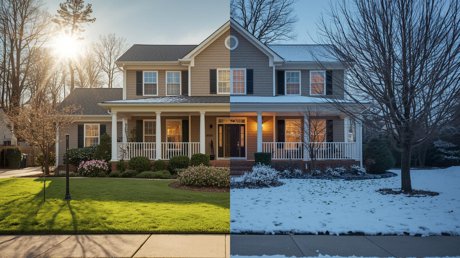
Selling Your Home in the Summer vs. Winter: What Boiling Springs, Spartanburg, & Greenville Sellers Need to Know

Thinking of Selling Your Home in Upstate SC? Here’s How Summer and Winter Compare

Selling your home in Boiling Springs, Spartanburg, or Greenville, SC can look very different depending on the time of year. While real estate activity occurs year-round, the summer and winter markets bring unique opportunities and challenges for sellers, buyers, and investors.

Whether you're a homeowner looking to upgrade, a first-time seller, or an investor seeking to maximize ROI, understanding seasonal trends in the local market is key to a successful sale.

Summer and Winter

Selling Your Home in the Summer: Hot Weather, Hotter Market

Pros of Selling in Summer:

High Buyer Demand:

Summer is traditionally the busiest time of year in real estate. Families prefer to move during summer break, making June through August prime time. According to the National Association of Realtors (NAR), 40% of home sales occur between May and August.

Curb Appeal is at Its Peak:

Lush lawns, blooming gardens, and longer daylight hours make homes look their best. In Boiling Springs and Greenville, buyers love seeing vibrant landscaping and outdoor spaces.

Faster Sales & Higher Prices:

More competition means you may receive multiple offers. In Spartanburg County, the median sale price tends to peak in late spring and summer, according to Redfin and Realtor.com data.

More Flexibility for Showings:

Buyers are typically more available to tour homes after work or on weekends, especially with more daylight and time off from school/work.

Cons of Selling in Summer:

Higher Competition:

More sellers list in the summer, which means you’ll need standout marketing to attract buyers.

Buyers May Be Pickier:

With more homes to choose from, buyers can afford to be selective — making presentation and pricing critical.

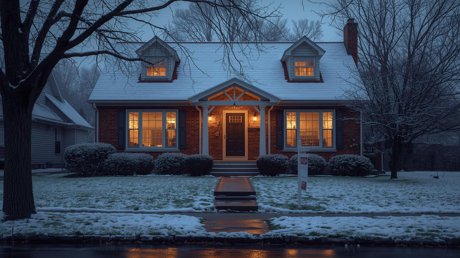
Home in the winterSelling Your Home in the Winter: A Niche Opportunity
Pros of Selling in Winter:

Serious, Motivated Buyers:

Winter buyers are often relocating for work, downsizing, or facing urgent timelines. They aren’t browsing — they’re buying.

Less Inventory = Less Competition:

Fewer homes are listed in the winter, giving your property a chance to shine. This can be an advantage, especially in lower-inventory areas like Boiling Springs or rural Spartanburg.

Faster Closing Timelines:

With fewer deals in the pipeline, lenders, inspectors, and appraisers often have faster turnaround times during the winter months.

Tax Benefits:

Some buyers are eager to close before the end of the year to claim tax deductions for mortgage interest or property taxes.

Cons of Selling in Winter:

Limited Daylight and Weather Challenges:

Cold snaps and early sunsets can make showings harder to schedule and homes less inviting.

Curb Appeal Takes a Hit:

Winter landscaping can feel bare, especially if your home lacks evergreen elements or hardscaping features.

Fewer Buyers in the Market:

While the buyers are more serious, there are simply fewer of them, which may mean longer days on market.

Local Market Insight: Boiling Springs, Spartanburg & Greenville, SC

Seasonality in Upstate SC Real Estate:

  • Boiling Springs sees strong summer demand due to its proximity to Spartanburg schools, new developments, and family-friendly neighborhoods.
  • Spartanburg tends to have a steady year-round market, but buyer activity clearly spikes in warmer months.
  • Greenville has experienced a population boom, and demand for homes in popular areas like Augusta Road and the West End remains strong in both seasons — especially with investors and remote workers entering the market.

According to Greater Greenville Association of Realtors data (2024), homes listed in May through July sold 18% faster and at 6–10% higher prices than those listed between November and January.

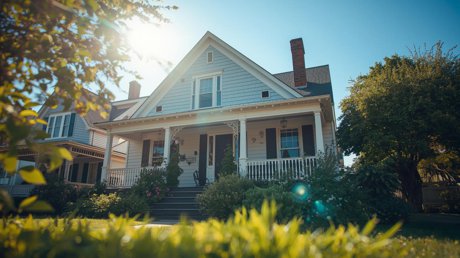
Home in the summerTips for Selling in Any Season in Upstate SC
For Summer Sellers:

  • Invest in landscaping, pressure-wash the exterior, and stage outdoor areas like patios or decks.
  • Consider listing early in the season (May or June) before the market becomes saturated.
  • Highlight school zones and walkability, especially in family-focused communities.

For Winter Sellers:

  • Keep your home warm, bright, and inviting for showings.
  • Use professional photography to showcase cozy interiors and highlight year-round features.
  • Offer incentives like paying part of the buyer’s closing costs or including appliances.

Final Thoughts: Which Season is Right for You?

Choosing between selling your home in summer vs. winter in Boiling Springs, Spartanburg, or Greenville depends on your priorities:


Sept. 12, 2025

The Best Suburbs of Greenville, SC for First-Time Homebuyers

Buying your first home is exciting—but it comes with a lot of questions. What neighborhood offers good value? What suburbs are safe, growing, and offer amenities? Below is a guide to some of the best suburbs around Greenville, South Carolina, especially suited for first‑time buyers. Whether you’re looking for affordability, commute time, schools, or quality of life, these areas hit many of the sweet spots.

What First‑Time Homebuyers Typically Want

Before listing suburbs, let’s outline what homebuyers entering the market often look for. These criteria will help you evaluate if a suburb is right for you:

  • Affordability: Not just purchase price, but also property taxes, insurance, utility costs.
  • Good schools: Critical if you plan to have or already have children.
  • Commute time / access: Proximity to work, shopping, health care, or public transit.
  • Amenities & lifestyle: Parks, shops, dining, trails, natural beauty.
  • Growth & resale potential: Neighborhoods with increasing home values and steady demand.
  • Safety & community: Low crime, neighborhood identity, friendly atmosphere.

Simpsonville

*Prices are estimates based on recent data from Redfin, Living in Greenville SC, and other local sources as of 2025. Actual home prices will vary depending on condition, lot, and exact location. 

Suburbs of Greenville

Neighborhoods Close to Greenville (City / Inner‑Suburbs) That Offer Value

If being close to Greenville is important, some neighborhoods inside or just on the edge of the city may offer good entry points:

  • Overbrook Historic District: Known for charming bungalows, historic feel, tree‑lined streets. Offers character and walkability.
  • Dunean: A historic neighborhood with more affordable housing and a strong sense of community. Some homes may need work, but prices tend to be lower. 
  • West Greenville: Up‑and‑coming, with arts, culture, closer to downtown. For buyers who want shorter commutes and are comfortable being part of a neighborhood in transition, this can be an option. 

These tend to trade off lot size, or sometimes newer construction, for proximity and walkability.

What to Look Out For / Potential Trade‑Offs

Even in the “best” suburbs, there are trade‑offs—especially for first‑time buyers. Here are some of the common ones around Greenville:

  • Rising Home Prices & Competition

Many of the suburbs listed are increasing in popularity. This leads to faster sales, bidding wars, increased prices. If you find a good deal, be ready to move quickly.

  • Commute & Traffic

Being farther out often means more driving. If you work downtown or in another urban center, factor in gas costs, time, and wear‑and‑tear. Some suburbs near major roads or interstates handle traffic well, others less so.

  • Maintenance Costs

Older neighborhoods may have homes that look charming but have hidden maintenance needs: plumbing, roof, electrical, HVAC. Factor those into your budget.

  • School Ratings & Zoning

School quality can vary widely even inside a suburb. Always check district boundaries, recent ratings, and plans for future schools (if suburban growth continues).

  • Amenities / Infrastructure

How walkable is the area? Are there grocery stores, medical facilities, parks nearby, sidewalks? Newer suburbs may have builder amenities but fewer mature trees and less character.

Tips to Maximize Value as a First‑Time Buyer

  • Get pre‑approved for financing so you know exactly your budget. This helps you act fast in competitive areas.
  • Look for suburbs on the cusp of growth, but where prices haven’t fully exploded yet (e.g. those 20‑30 minutes out but near major roads or new development).
  • Consider resale potential: even if you plan to stay for several years, choosing a suburb that will continue to attract buyers matters.
  • Balance must‑haves vs. nice‑to‑haves: A large yard might be great, but if it costs too much or increases commute too much, it might be better to defer.
  • Visit at different times: Weekdays vs weekends, rush hour vs midday, to see traffic & actual neighborhood feel.

Final Thoughts

If you’re a first‑time homebuyer in the Greenville SC area, there are a lot of strong options. Suburbs like Parker, welcome, Gantt, and Berea can give excellent value. If you can stretch your budget a bit more, Easley, Simpsonville, Mauldin, or Fountain Inn offers greater amenities and possibly better long‑term growth. If proximity and character are higher priorities, neighborhoods like Overbrook, Dunean, or West Greenville might be right for you.

Posted in For Buyers