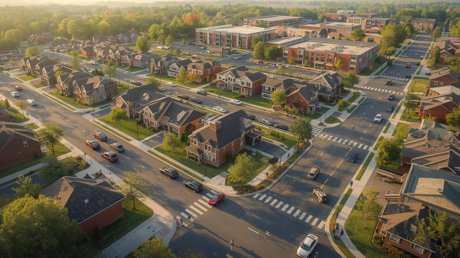
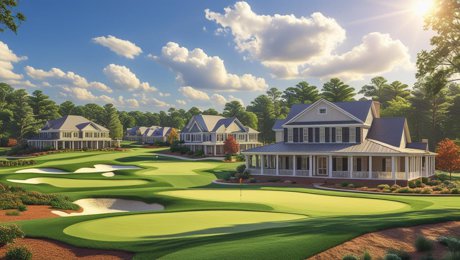
Welcome to your Upstate SC Real Estate Resource!

This blog will offer a mix of our newest listings to come onto the market as well as some client testimonials. Here you will also find some useful resources on buying and selling a home in the Upstate of South Carolina and Western North Carolina. 

If you see a home that looks interesting or if you have any questions regarding all aspects of the Real Estate market please feel free to contact us! - Peggy


Sept. 12, 2025

The Best Suburbs of Greenville, SC for First-Time Homebuyers

Buying your first home is exciting—but it comes with a lot of questions. What neighborhood offers good value? What suburbs are safe, growing, and offer amenities? Below is a guide to some of the best suburbs around Greenville, South Carolina, especially suited for first‑time buyers. Whether you’re looking for affordability, commute time, schools, or quality of life, these areas hit many of the sweet spots.

What First‑Time Homebuyers Typically Want

Before listing suburbs, let’s outline what homebuyers entering the market often look for. These criteria will help you evaluate if a suburb is right for you:

  • Affordability: Not just purchase price, but also property taxes, insurance, utility costs.
  • Good schools: Critical if you plan to have or already have children.
  • Commute time / access: Proximity to work, shopping, health care, or public transit.
  • Amenities & lifestyle: Parks, shops, dining, trails, natural beauty.
  • Growth & resale potential: Neighborhoods with increasing home values and steady demand.
  • Safety & community: Low crime, neighborhood identity, friendly atmosphere.

Simpsonville

*Prices are estimates based on recent data from Redfin, Living in Greenville SC, and other local sources as of 2025. Actual home prices will vary depending on condition, lot, and exact location. 

Suburbs of Greenville

Neighborhoods Close to Greenville (City / Inner‑Suburbs) That Offer Value

If being close to Greenville is important, some neighborhoods inside or just on the edge of the city may offer good entry points:

  • Overbrook Historic District: Known for charming bungalows, historic feel, tree‑lined streets. Offers character and walkability.
  • Dunean: A historic neighborhood with more affordable housing and a strong sense of community. Some homes may need work, but prices tend to be lower. 
  • West Greenville: Up‑and‑coming, with arts, culture, closer to downtown. For buyers who want shorter commutes and are comfortable being part of a neighborhood in transition, this can be an option. 

These tend to trade off lot size, or sometimes newer construction, for proximity and walkability.

What to Look Out For / Potential Trade‑Offs

Even in the “best” suburbs, there are trade‑offs—especially for first‑time buyers. Here are some of the common ones around Greenville:

  • Rising Home Prices & Competition

Many of the suburbs listed are increasing in popularity. This leads to faster sales, bidding wars, increased prices. If you find a good deal, be ready to move quickly.

  • Commute & Traffic

Being farther out often means more driving. If you work downtown or in another urban center, factor in gas costs, time, and wear‑and‑tear. Some suburbs near major roads or interstates handle traffic well, others less so.

  • Maintenance Costs

Older neighborhoods may have homes that look charming but have hidden maintenance needs: plumbing, roof, electrical, HVAC. Factor those into your budget.

  • School Ratings & Zoning

School quality can vary widely even inside a suburb. Always check district boundaries, recent ratings, and plans for future schools (if suburban growth continues).

  • Amenities / Infrastructure

How walkable is the area? Are there grocery stores, medical facilities, parks nearby, sidewalks? Newer suburbs may have builder amenities but fewer mature trees and less character.

Tips to Maximize Value as a First‑Time Buyer

  • Get pre‑approved for financing so you know exactly your budget. This helps you act fast in competitive areas.
  • Look for suburbs on the cusp of growth, but where prices haven’t fully exploded yet (e.g. those 20‑30 minutes out but near major roads or new development).
  • Consider resale potential: even if you plan to stay for several years, choosing a suburb that will continue to attract buyers matters.
  • Balance must‑haves vs. nice‑to‑haves: A large yard might be great, but if it costs too much or increases commute too much, it might be better to defer.
  • Visit at different times: Weekdays vs weekends, rush hour vs midday, to see traffic & actual neighborhood feel.

Final Thoughts

If you’re a first‑time homebuyer in the Greenville SC area, there are a lot of strong options. Suburbs like Parker, welcome, Gantt, and Berea can give excellent value. If you can stretch your budget a bit more, Easley, Simpsonville, Mauldin, or Fountain Inn offers greater amenities and possibly better long‑term growth. If proximity and character are higher priorities, neighborhoods like Overbrook, Dunean, or West Greenville might be right for you.

Posted in For Buyers
Sept. 3, 2025

Why People Are Moving to Greenville and Spartanburg, South Carolina in 2025

In 2025, Greenville and Spartanburg are drawing attention from homebuyers, sellers, and investors alike. Their thriving economies, affordable living, stunning outdoors, and vibrant communities have made them top destinations in the Upstate South Carolina region. Let’s explore what's driving this relocation trend and what it means for the real estate market.

Home

1. Fast-Paced Growth & Population Surge

  • Spartanburg is among the 10 fastest-growing metro areas in the U.S. for the second straight year, with a population increase of 2.7% between July 2023 and July 2024—adding over 10,500 new residents.
  • Greenville County alone welcomed 11,049 new residents in the same period.
  • This surge reflects a broader trend: In 2024, South Carolina topped U‑Haul’s net migration ranking, meaning more Americans moved there than any other state.

Why it matters: Growth signals rising demand in housing—an opportunity for sellers and a competitive market for buyers.

2. Affordability & Cost-Effective Living

  • In Spartanburg County, the median home price is around $240,000—roughly $100,000 below the national average.
  • Spartanburg overall offers living costs about 10% lower than the national average, including housing.
  • In Greenville, cost of living index is 91.3, significantly below the U.S. average.. Housing prices are about 14% lower than national average, rent around 20% lower.
  • Across South Carolina, overall cost of living is approximately 7% below the national average , and annual property taxes on a median home are among the lowest in the nation.

Why it matters: Affordability is a magnet—first-time buyers find homes within reach, retirees can stretch their income, and investors can maximize returns.

3. Robust Job Markets & Economic Diversity

  • Spartanburg boasts a strong employment base with sectors like manufacturing, logistics, healthcare, and education—notably anchored by BMW, inland port expansions, and low unemployment (~3.7%).
  • Greenville serves as the economic engine of the region, housing operations of BMW, Michelin, Boeing, GE, Lockheed Martin, and more . The area anticipates around 40% economic growth in the decade to come.
  • The Upstate region is also emerging as an innovation hub, featuring R&D with Clemson University, automotive technology, life sciences, and tech startups.

Why it matters: Job security and growth potential make both cities attractive to working professionals and add investment value.

4. Education & Healthcare Excellence

  • Spartanburg offers reputable public schools and higher education options like Wofford College, USC Upstate, and Spartanburg Community College.
  • Greenville hosts Furman University, Greenville Technical College, and proximity to Clemson—adding strong academic ecosystems for families and future workforce development.
  • Healthcare is robust: Prisma Health and Bon Secours St. Francis in Greenville, Spartanburg Regional Healthcare—all offering excellent service.

Why it matters: Strong education and healthcare infrastructure is a powerful draw for families and ensures long-term market resilience.

5. Lifestyle, Culture & Outdoor Appeal

  • Greenville’s downtown is pedestrian-friendly with Falls Park, Liberty Bridge, galleries, dining, and the Swamp Rabbit Trail—a 20-mile greenway for walking, biking, and community fun.
  • Spartanburg is revitalizing, with expanding cultural institutions, new mixed-use developments, outdoor trails, and a minor league stadium underway in 2025.
  • The region is an outdoor paradise—Blue Ridge Mountains, trails, parks, lakes, and year-round climate make outdoor living a reality.
  • Both communities host thriving food scenes, festivals, arts centers, and strong community culture.

Why it matters: Lifestyle amenities boost quality of life, retention, and appeal—essential for both buyers and investors seeking thriving communities.

6. Strong Investment & Development Momentum

  • Spartanburg is launching a 16‑acre mixed-use development and plaza, plus a new minor league baseball stadium in downtown—positioned to anchor growth through 2025 and beyond.
  • Greenville continues expanding with commercial growth, rising transit potential (Amtrak, public transport improvements), and tech advancements.

Why it matters: Infrastructure and placemaking projects enhance property values and attract new businesses, fueling further demand.

Conclusion

In 2025, Greenville and Spartanburg are shining examples of smart, scalable growth—offering affordability, economic opportunity, culture, education, and lifestyle combined. Whether you're looking to buy, sell, or invest, these dynamic markets are primed for success and offer a compelling story to share with clients, readers, and community enthusiasts.


Aug. 26, 2025

Discover the Top 5 Golf Course Communities in Upstate South Carolina

Looking for luxury living, investment potential, or a serene golf-side lifestyle near Boiling Springs, Spartanburg, and Greenville? Here are five standout golf course communities that offer exceptional value, breathtaking surroundings, and active lifestyles.

Golf Course Community

1. Willow Creek Golf Club – Greer (Between Greenville & Spartanburg)

Why It Stands Out

Located just minutes off I‑85, Willow Creek delivers stylish homes nestled around a Tom Jackson‑designed course. Homes typically range from $500K to just over $600K, offering spacious lots, gourmet kitchens, and sweeping views of fairways, ponds, and mature trees.

Lifestyle & Investment Appeal

The well-maintained course offers both challenge and charm—ideal for families and full-time residents alike. High-end interiors and generous living spaces make these homes attractive for both buyers and investors.

2. Thornblade – Greer / East Greenville

Why It's Desirable

A prestigious, master‑planned golf community centered on a championship 18‑hole course by Tom Fazio. Homes start in the $400K–$1M+ range and offer access to tennis courts, pools, a clubhouse, and social amenities.

For Buyers & Investors

With gated sections and luxury finishes, Thornblade delivers strong resale potential and enduring appeal for discerning buyers.

3. Cherokee Valley – Travelers Rest (Greenville County)

What Sets It Apart

Just 18 miles from downtown Greenville, Cherokee Valley presents active outdoor living with Blue Ridge Mountain views. Its amenities include a wellness center, pool with lap and kiddie areas, and tennis facilities. Homes span 2,400–6,000+ sq ft and range from $300K to over $700K.

Ideal For

Buyers seeking lifestyle-focused living; investors can capitalize on strong demand for wellness-oriented, amenity-rich communities.

4. Cliffs Valley – Travelers Rest (Blue Ridge Foothills)

Luxury in Nature

Nestled in the foothills, Cliffs Valley is a master‑planned community offering mountain serenity and upscale recreation. Homes range from $400K to well over $1M; acreage can start in the $100K–$300K range.

Why It Appeals

With stunning landscapes, wellness complexes, and social clubs, Cliffs Valley provides a high-end, peaceful retreat—perfect for luxury buyers and strong investment for long-term value.

5. River Falls Plantation – Duncan (Between Greenville & Spartanburg)

Charming & Accessible

This Gary Player‑designed community is conveniently situated near I‑85 and I‑26. Housing options include single-family homes and townhomes ranging from 1,600 to 4,500 sq ft, priced between $160K and just over $400K.

Why Investors & Buyers Will Like It

Competitive pricing and diverse floor plans make River Falls ideal for families, first-time buyers, or investors seeking stable rental income.

In Conclusion

Whether you’re drawn to the prestige of Thornblade, the mountain serenity of Cliffs Valley, or the accessibility and value of River Falls Plantation, these five golf course communities offer something for every lifestyle and budget. Each neighborhood blends natural beauty with modern amenities, making them appealing not only for today’s homebuyers but also for long-term investment. If you’re ready to explore golf course living near Greenville, Spartanburg, or Boiling Springs, these communities are excellent places to begin your search.

Posted in For Buyers
Aug. 15, 2025

Short-Term Rentals in Greenville & Spartanburg: What’s Legal and What’s Not

The short-term rental (STR) market in Greenville and Spartanburg is booming, fueled by rising tourism and business travel. However, local rules, taxes, zoning, and licensing can vary widely making compliance critical for success. Whether you’re buying, selling, or investing, this guide helps you understand the legal landscape and capitalize on opportunities while staying within the law.

Legal Rentals Image

Statewide Framework: The Foundation for STRs in South Carolina

South Carolina delegates STR regulation to local jurisdictions, resulting in a patchwork of rules. In 2025, Senate Bill S.442 clarified and strengthened state requirements while preserving local authority. Key statewide mandates include:

  • Local regulation authority: Municipalities and counties can impose zoning restrictions, caps, and permits.
  • Insurance requirement: STRs must carry a commercial general liability policy with at least $1 million per occurrence.
  • Tax obligations: Operators must collect and remit state and local sales and accommodations taxes, unless all rentals go through platforms that do so automatically.

Why it matters: Regardless of local rules, state law sets a baseline. Investors in Greenville or Spartanburg must meet these essentials first.

Greenville: Zoning Clarity + Permit Structure

Zoning & Permit Requirements

  • Rentals under 30 days (STRs) are restricted to certain non-residential zones:
  • Allowed: MX‑2, MX‑3, MX‑5, MX‑D, MXS‑2, MXS‑3, MXS‑5, MXS‑D, BG, BH, IX, CM
  • Prohibited: RH‑, RN‑, RC‑*, and other residential zones (e.g., RH‑A to RH‑D, RN‑A to RN‑C, RC‑2 to RC‑5, IG, CV, PK)
  • Rentals between 30 and 89 days have expanded zoning flexibility—allowed in both residential (RH‑A to RH‑D, RN‑A/B, RNX‑B/C) and non-residential zones (IG, CV, PK, mixed-use, commercial)

Permitted documentation includes:

  • Occupancy permits from the Planning Department.
  • Business license from the city.
  • Supporting documents: ownership proof, site/floor plan, parking plan, etc.

Taxes & Compliance

  • State accommodations tax: 7% (5% sales + 2% accommodations).
  • Local accommodations tax:
  • 3% for City of Greenville STRs.
  • 3% for Greenville County (if applicable)
  • Platforms like Airbnb collect state tax automatically—but not local taxes. Owners must collect and remit the 3% local tax, typically by the 20th of each month
  • Exemptions include renting fewer than 15 days/year in a primary residence or owning certain small units while present—but these vary by context

Greenville County (Unincorporated Areas)

Zoning: Use the county GIS to determine if your property is allowed for "Lodging." Unzoned properties may avoid use-based restrictions but remain subject to land development rules

Permits & Licensing:

  • Short-term rental permit (~$40) via the eTrakit system.
  • Business license, proof of ownership, floor/site plans, parking plan, liability insurance, and compliance affidavit required
  • Processing typically takes around five days
  • Taxes: Same as city rules: 7% state + 3% county accommodations tax
  • Enforcement: Greenville County actively enforces STR rules, including using contractors to identify unpermitted properties and imposing fines or court action

Spartanburg: Restrictive Today, Watch for Change

Zoning & Restrictions

  • STRs are currently prohibited in all residential zones (R‑15, R‑12, R‑8 single-family/general, R‑6 general residential)
  • Allowed only in commercial zones, downtown, or mixed-use areas similar to hotels/motels

Licensing & Taxation

  • A business license is required for all STR operations within Spartanburg city limits
  • Taxes include:
  • 7% total for state sales and accommodations tax.
  • 3% Spartanburg County accommodations tax for local remittance

Safety & Compliance

Owners must comply with:

  • Safety equipment: smoke detectors, fire extinguishers, CO detectors.
  • Building and fire codes.
  • Certificate of Occupancy and insurance.
  • Adequate parking.
  • Possibly annual inspections
  • Enforcement is active and includes zoning violation actions like fines or cease-and-desist orders

Opportunities & Risks for Buyers, Sellers & Investors

Investors & Buyers

  • Greenville City: Look for properties in mixed-use or commercial zones to operate <30-day rentals. Buying in residential zones can still offer 30–89-day rentals, though demand may differ.
  • Greenville County: Offers flexibility—ideal for suburban or rural investors. Just be prepared for upfront application and compliance steps.
  • Spartanburg: Limited supply in legal zones may mean higher ROI—but entry costs and competition in downtown/commercial areas can be steeper.

Sellers

  • Properties already licensed and in compliance command higher value, especially if rentable under 30 days.
  • Be aware: “non-conforming” grandfathering in Greenville doesn’t transfer to new owners—new buyers must reapply
  • In Spartanburg, value may increase if future zoning changes expand STR-friendly zones.

Tips for All Stakeholders

  1. Always verify zoning first using local tools (GIS for Greenville/County) or consult staff
  2. Complete necessary permits and documents: occupancy, business licenses, site and floor plans, tax setup, insurance.
  3. Ensure proper insurance: At least $1 million commercial liability per recent state law
  4. Stay compliant with taxes: Know what platforms collect—and what you must remit yourself.
  5. Track neighborhoods and local ordinances closely. Changes like Spartanburg’s comprehensive plan review or state-wide regulatory updates (S.442) can impact property use in the near future

Final Thoughts

Short-term rentals in Greenville and Spartanburg present lucrative opportunities—but knowing what’s legal is non-negotiable. Stay informed on zoning, licensing, taxes, and insurance. Whether you’re buying, selling, or investing, compliance is your path to unlocking value—without risking fines, shutdowns, or loss of STR eligibility.

Aug. 4, 2025

Your Guide to New Construction Homes in Spartanburg County

Are you considering buying, selling, or investing in new construction homes in Spartanburg County, South Carolina? You're not alone. With its thriving economy, growing population, and excellent quality of life, Spartanburg has become one of the Up state's hottest housing markets — especially for new builds.

Whether you’re a first-time homebuyer looking for low-maintenance living, a seller trying to compete with new developments, or an investor targeting long-term growth, understanding the landscape of new construction in Spartanburg County is essential.

In this guide, we’ll break down everything you need to know about new construction homes in this dynamic and fast-growing area.

Boiling Springs Home

Why Spartanburg County?

Spartanburg County has seen a surge in growth over the past decade. With major employers like BMW Manufacturing, Milliken & Company, and a robust healthcare sector, the region offers strong economic fundamentals.

According to the U.S. Census Bureau, Spartanburg County's population increased by more than 10% from 2010 to 2020, and it continues to climb. This population growth is fueling demand for housing, especially in areas like Boiling Springs, Duncan, Lyman, and Woodruff, where land is still relatively affordable and new developments are booming.

Benefits of Buying New Construction Homes

1. Modern Features & Customization

Today’s new homes often come with energy-efficient appliances, open-concept layouts, smart home technology, and high-end finishes. Many builders offer buyers the opportunity to customize flooring, cabinets, countertops, and more during the construction process.

2. Lower Maintenance Costs

Everything is brand new, which means fewer repairs and lower maintenance costs — a huge advantage for both homeowners and investors looking to minimize expenses in the first few years.

3. Warranties

New construction homes typically come with builder warranties, offering peace of mind for major systems like HVAC, roofing, and structural elements.

4. Energy Efficiency

Most new homes are built to meet or exceed current energy codes. According to the U.S. Department of Energy, energy-efficient homes can save homeowners hundreds of dollars annually on utility bills.

Popular Areas for New Construction in Spartanburg County

Boiling Springs

This rapidly developing area offers a mix of single-family communities, townhomes, and master-planned developments. It's ideal for families due to its excellent schools and proximity to downtown Spartanburg.

Duncan & Lyman

Located along the I-85 corridor, Duncan and Lyman are hotspots for commuters and investors alike. These towns are seeing a spike in new subdivisions, thanks to easy access to Greenville and Spartanburg job centers.

Woodruff

With a growing school district and recent industrial growth, Woodruff is attracting attention from major builders. It’s a great area to watch for long-term investment potential.

Inman

Known for its small-town charm and scenic views of the Blue Ridge Mountains, Inman is becoming a top choice for buyers seeking new homes in a more rural setting.

Top Builders in the Area

Several national and regional builders are active in Spartanburg County, including:

  • DR Horton
  • Ryan Homes
  • Lennar
  • Meritage Homes
  • Mungo Homes
  • SK Builders

These builders offer a range of price points and floorplans, from entry-level to luxury.

What to Know Before You Buy New Construction

1. Work with a Local Realtor

Many buyers mistakenly assume they don’t need an agent when buying new construction. However, having a realtor who understands the local market and builder incentives can save you time and money.

2. Understand the Timeline

New builds typically take 4 to 9 months to complete, depending on the builder, permitting process, and supply chain conditions. Make sure your move-in timeline aligns with the builder’s schedule.

3. Compare Builder Incentives

Some builders offer closing cost assistance, free upgrades, or interest rate buy-downs — especially in competitive communities. A skilled agent can help you evaluate and negotiate these incentives.

4. Get an Independent Inspection

Even brand-new homes can have issues. Hire a third-party inspector to ensure the home is built to standard before closing.

For Sellers: Competing with New Construction

If you're a homeowner thinking about selling in an area with new developments, here are a few tips:

  • Price strategically by researching recent sales in both new and resale markets.
  • Update your home where feasible — especially kitchens, bathrooms, and curb appeal.
  • Highlight your home’s value: mature landscaping, established neighborhoods, and custom finishes are often features buyers won’t find in new builds.

For Investors: Why New Construction Makes Sense

Investors are increasingly looking to new construction for several reasons:

  • Lower maintenance costs
  • Builder warranties reduce risk
  • Higher rental appeal due to modern features
  • Tax advantages such as depreciation and potential property appreciation

Final Thoughts

Spartanburg County’s new construction market offers incredible opportunities for homebuyers, sellers, and real estate investors. With strong economic growth, a rising population, and a range of new developments, now is a great time to explore what’s available.

Posted in For Buyers, For Sellers
July 21, 2025

Why Pet-Friendly Homes Are in High Demand in SC

Pet ownership is booming across the U.S., and South Carolina is no exception. According to the American Pet Products Association (APPA), nearly 70% of U.S. households own a pet, with dogs and cats being the most common companions. In SC, where outdoor living is a key part of the lifestyle, pet ownership trends even higher than the national average.

For home buyers and investors in the Palmetto State, this presents a golden opportunity: homes with pet-friendly features tend to sell faster and at higher prices. Tailoring your property to meet the needs of pet owners can boost marketability, reduce time on market, and increase ROI.

Top Pet-Friendly Features That Sell Homes Fast

1. Fenced-In Yards

One of the most sought-after features for pet owners is a secure, fenced-in yard. Especially in family-oriented communities around Charleston, Greenville, Columbia, and Myrtle Beach, buyers prioritize safe outdoor spaces where their dogs can run freely.

Pro Tip for Sellers: Highlight new or well-maintained fencing in your listing. Vinyl or wooden privacy fences often add both curb appeal and value.

2. Durable, Pet-Resistant Flooring

Pets bring joy—and sometimes messes. Buyers with animals are looking for easy-to-clean, scratch-resistant flooring options such as:

  • Luxury vinyl plank (LVP)
  • Tile or ceramic
  • Sealed concrete

Avoid carpet in high-traffic areas. Homes with pet-friendly flooring not only appeal to pet owners but also reduce long-term maintenance concerns.

3. Pet Washing Stations or Mudrooms

A dedicated pet-washing area—usually in a laundry room, mudroom, or garage—is a luxury feature that’s quickly becoming mainstream, especially in new construction homes. These stations often include:

  • Elevated tubs
  • Handheld showerheads
  • Non-slip surfaces

In beach communities like Hilton Head Island or Isle of Palms, where sand and mud are part of daily life, these features are highly practical and desirable.

4. Pet Doors and Smart Home Add-Ons

Buyers appreciate the convenience of technology that supports pet care. Some popular features include:

  • Built-in pet doors (ideally with security features)
  • Smart pet feeders
  • Automated lighting or thermostats for pet comfort

These add-ons appeal to busy professionals and retirees alike—two demographics growing rapidly in SC.

5. HOA and Community Pet Policies

Buyers are often concerned about HOA restrictions regarding pets. Homes in pet-friendly communities with amenities like:

  • Dog parks
  • Walking trails
  • Pet waste stations

Investor Insight: When buying rental properties, seek neighborhoods where pet policies are clear and flexible. Pet-friendly rentals can command 20-30% higher rents, according to Zillow research.

Marketing a Pet-Friendly Property in South Carolina

If you're selling a home with pet-friendly features, don't just list them—showcase them. Here’s how:

  • Use lifestyle photography with pets to create emotional appeal
  • Include keywords like “pet-friendly,” “fenced yard,” and “mudroom” in your online listing
  • Stage the home to subtly highlight pet areas (e.g., a dog bed in a cozy nook)

In SC’s competitive housing market, these details help your property stand out.

Final Thoughts: Pet-Friendly Means Buyer-Friendly

From the Upstate to the Lowcountry, South Carolina is a pet-lover’s paradise. Buyers, sellers, and investors alike can benefit from understanding and incorporating pet-friendly home features.

Whether you're preparing to list your home or searching for your next investment, focusing on pet-related amenities can be a winning strategy in today’s market.


Posted in For Buyers
July 18, 2025

Why South Carolina is a Hot State for Real Estate Investors

If you’re looking for the next big opportunity in real estate, look no further than South Carolina. With its booming population, business-friendly climate, and a blend of coastal charm and southern hospitality, South Carolina is quickly becoming a hotspot for real estate investors across the U.S. Whether you're a first-time buyer, seasoned investor, or homeowner considering selling, now is the time to pay attention to what’s happening in the Palmetto State.

1. Strong Population Growth & In-Migration

South Carolina is one of the fastest-growing states in the U.S. According to the U.S. Census Bureau, South Carolina ranked 5th in the nation for population growth in 2023, adding tens of thousands of new residents annually. A significant driver? In-migration from high-cost states like New York, New Jersey, and California, with newcomers attracted to the lower cost of living and higher quality of life.

For real estate investors, more people mean more demand for housing—both for purchase and rental. And demand drives appreciation.

Pro Tip for Investors: Focus on high-growth metro areas like Greenville, Charleston, and Columbia, where job opportunities and population growth are driving real estate activity.

2. Affordability Compared to National Averages

While home prices have climbed nationally, South Carolina remains relatively affordable. As of mid-2024, the median home price in South Carolina is approximately $308,000—compared to the national median of over $420,000 (Redfin, 2024).

This affordability makes the state attractive to both investors and homeowners alike. Investors can secure rental properties at lower entry points, often yielding stronger cash flow compared to higher-cost markets.

3. High Demand for Rentals

With many new residents testing the waters before buying, the demand for rentals is surging. Cities like Charleston, Myrtle Beach, and Columbia are seeing strong rental occupancy rates and rising monthly rents. Vacation rental markets are also thriving thanks to the state’s year-round tourism appeal.

According to Rent Cafe, Charleston's average rent increased by 6.3% year-over-year, outpacing many other Southern cities. This trend benefits buy-and-hold investors who prioritize rental income and long-term appreciation.

Short-Term Rental Tip: Coastal towns like Hilton Head and Folly Beach offer excellent vacation rental potential, especially during spring and summer travel seasons.

4. Pro-Business & Tax-Friendly Climate

South Carolina offers a pro-business environment, low property taxes, and no estate tax—making it especially appealing for investors looking to grow long-term wealth.

Property tax rates in South Carolina average just 0.57%, significantly lower than the national average of 0.99% (Tax Foundation, 2024).

Business-friendly policies have attracted major employers like Boeing, BMW, and Volvo, boosting local economies and job growth.

This translates into steady employment opportunities and income stability—two essential factors for a strong housing market.

5. Diverse Investment Opportunities

From luxury waterfront homes to suburban duplexes and student housing near universities, South Carolina offers a wide range of investment options. Whether you're flipping properties, building a rental portfolio, or exploring real estate syndications, the state’s diverse markets offer something for every strategy.

Investor Insight: Consider student housing in cities like Columbia (University of South Carolina) and Clemson. The consistent demand and predictable lease cycles offer reliable income potential.

6. Growing Infrastructure and Development

Massive infrastructure projects and urban revitalization efforts are reshaping South Carolina's cities. Charleston’s port expansion, Greenville’s downtown redevelopment, and Columbia’s growing tech scene are just a few examples of the state’s upward momentum.

Investing in areas poised for future growth can yield significant returns—especially when getting in early.

Final Thoughts: Is South Carolina Right for You?

Whether you're a homebuyer looking for affordability, a seller exploring strong market demand, or an investor aiming for cash flow and appreciation, South Carolina delivers on all fronts. With its population growth, economic resilience, and diverse real estate opportunities, the Palmetto State is one of the top emerging markets in the Southeast.

As with any real estate investment, it’s crucial to do your due diligence, work with local experts, and stay ahead of market trends. But if you're looking for a dynamic market with long-term upside, South Carolina is hard to beat.


March 6, 2024

Types Of Property Available in Spartanburg SC

Housing Options in Spartanburg SC

Spartanburg, South Carolina has become increasingly popular in recent years for its thriving real estate market. Located in the Upstate region of South Carolina, Spartanburg offers a unique blend of urban and rural living, making it an attractive location for potential homebuyers. In this section, we will explore the factors that contribute to Spartanburg's popularity as a real estate market.

1. Affordable Housing Options

One of the main reasons for Spartanburg's popularity is its affordable housing options. The median home price in Spartanburg is lower than the national average, making it an ideal location for first-time buyers or those looking to downsize. Additionally, there are various housing options available ranging from single-family homes to townhouses and apartments, catering to individuals with different budget ranges.

2. Strong Economy

Spartanburg's economy has been steadily growing over the past few years and is projected to continue its upward trajectory. With major industries such as healthcare, manufacturing, and technology driving the local economy, there are ample job opportunities available in various sectors. This economic stability makes Spartanburg an attractive destination for individuals looking to relocate or invest in a property.

3. Growing Population

The population of Spartanburg has been steadily increasing over the years due to its strong economy and affordable cost of living. This growth has led to an increased demand for housing, making it a seller's market with properties being sold at higher prices than before.

4. Proximity to Major Cities

Spartanburg's strategic location between Charlotte and Atlanta has also contributed significantly to its popularity as a real estate market. Being just a short drive away from these major cities provides residents with access to big-city amenities while enjoying a quieter suburban lifestyle.

5. Quality Education System

Families with children are drawn towards buying properties in Spartanburg because of its highly regarded education system. Spartanburg boasts top-rated public and private schools, along with several higher education institutions such as the University of South Carolina Upstate and Wofford College.

6. Abundance of Recreational Activities

Spartanburg offers a diverse range of recreational activities for its residents, including hiking trails, parks, lakes, and golf courses. The revitalization of downtown Spartanburg has also brought in an array of restaurants, shopping centers, and entertainment options for individuals to enjoy.

Single-Family Homes in Spartanburg

Spartanburg, South Carolina offers a diverse range of single-family homes for individuals and families looking to settle down in this charming city. With its rich history and growing economy, Spartanburg has become a popular destination for those seeking a peaceful yet vibrant lifestyle. When it comes to single-family homes, there are several types available in Spartanburg that cater to different preferences and needs.

One of the most common types of single-family homes found in Spartanburg is the ranch-style home. These homes are characterized by their long, low-lying profile with one-level living space. Ranch-style homes typically have an open floor plan, making them perfect for individuals or families who prefer a more spacious layout. They also often feature large windows that allow for plenty of natural light, as well as a backyard or outdoor space for entertaining and relaxation.

Another type of single-family home commonly found in Spartanburg is the colonial-style home. These homes are known for their symmetrical design and two-story structure with bedrooms on the second floor. Colonial-style homes often have a formal living room and dining room on the first floor, as well as a cozy family room or den area. They also typically have a front porch or stoop that adds to their charm and curb appeal.

Traditional homes are also prevalent in Spartanburg's real estate market. These types of homes usually have two stories but can vary in size and design depending on the specific neighborhood or community they are located in. Traditional homes may feature elements from various architectural styles such as Victorian or Craftsman, giving each home its unique character.

In addition to these three main types of single-family homes, there are also other options available such as Cape Cod-style houses with steep roofs and dormer windows, Tudor-style houses with exposed beams and stonework, and contemporary/modern-style houses with sleek designs and clean lines.

When considering purchasing a single-family home in Spartanburg, it is essential to take into account the location and neighborhood as well. Some neighborhoods may have a mix of different types of homes, while others may have a more uniform style. It is also crucial to consider the size and layout of the home about your family's needs and lifestyle.

Spartanburg offers a variety of single-family homes for all tastes and budgets. Whether you prefer a ranch-style home with an open floor plan or a traditional two-story house with unique architectural features, there is something for everyone in this bustling city. So if you are looking to make Spartanburg your new home, be sure to explore all the different types of single-family homes available and find the one that best suits your needs.

Apartments/Condos in Spartanburg

Spartanburg, South Carolina is a thriving city with a diverse range of properties available for rent or purchase. One popular type of property in Spartanburg is apartments and condos. These residential complexes offer convenient and modern living options for individuals and families alike. In this section, we will highlight the different types of apartments and condos found in Spartanburg, including high-rise buildings, townhouses, and luxury complexes.

High-rise buildings are often associated with urban areas, but they can also be found in the bustling city of Spartanburg. These towering structures typically have multiple floors, with each floor containing several units. High-rise apartment buildings offer a variety of amenities such as fitness centers, swimming pools, rooftop terraces, and concierge services. They are ideal for those who prefer a more centralized location within the city and enjoy having access to numerous facilities within their building.

Townhouses are another popular type of apartment/condo in Spartanburg. These properties offer a unique blend of privacy and community living. Townhouses are usually multi-level units that share at least one wall with another unit. They often come equipped with their own private entrance and outdoor space such as a patio or balcony. Townhouse complexes also often include shared amenities like parking spaces, playgrounds, or picnic areas for residents to enjoy.

Luxury complexes are designed to provide a top-of-the-line living experience for their residents. These upscale apartments/condos feature high-end finishes and appliances along with luxurious amenities such as private elevators, spa-like bathrooms, gourmet kitchens, and 24-hour concierge services. Luxury complexes may also offer exclusive features like panoramic views of the cityscape or waterfront locations.

Some other factors to consider when choosing between an apartment or condo in Spartanburg include location preferences (such as proximity to work/school), budget constraints (determining what you can afford in terms of rent/mortgage payments), lifestyle preferences (do you want more privacy or community living?), and desired amenities (are you looking for a gym, pool, or other features?).

Spartanburg offers a variety of apartments and condos to suit different preferences and lifestyles. Whether you are looking for a high-rise building in the heart of the city, a townhouse with private outdoor space, or a luxurious condo with top-notch amenities, there is something for everyone in this vibrant city. Carefully considering your needs and wants will help you find the perfect property that meets all your requirements.

Multi-Family Homes in Spartanburg

Spartanburg, SC is a growing city with a diverse range of housing options. One popular type of property available in this area is multi-family homes. These houses are designed to accommodate multiple families or individuals within the same building, making them an attractive option for those looking for affordable and convenient living arrangements.

Multi-family homes come in various forms, including duplexes, triplexes and fourplexes. Each offers its unique benefits and features that cater to different lifestyles and preferences.

Duplexes are one of the most common types of multi-family homes found in Spartanburg. They consist of two separate units connected by a shared wall. Each unit has its entrance, living space, kitchen, and bathrooms. Duplexes are ideal for investors who want to live in one unit while renting out the other for additional income. They are also popular among first-time homebuyers who can rent out one unit to help with mortgage payments.

Triplexes and fourplexes are similar to duplexes but have three or four units respectively. These properties provide more rental income potential than duplexes but require a larger investment upfront.

Some investors also choose to convert single-family homes into multi-family properties by adding separate entrances or converting basements into apartments. This allows for greater flexibility in terms of design and customization.

Investing in a multi-family home in Spartanburg can be a smart financial decision. With the city's growing population and demand for affordable housing, these properties offer an excellent opportunity for rental income and long-term appreciation. Additionally, living in a multi-family home provides a sense of community and shared responsibility among neighbors, making it an attractive option for those looking to establish roots in the area.

To Sum Up...

In conclusion, Spartanburg, South Carolina, has emerged as a popular destination in recent years, driven by its thriving real estate market. Offering a unique blend of urban and rural living, Spartanburg appeals to a wide range of homebuyers. Factors contributing to its popularity include affordable housing options, a strong economy with diverse job opportunities, a growing population, proximity to major cities, a quality education system, and an abundance of recreational activities. Whether you're looking for a single-family home, an apartment/condo, or a multi-family property, Spartanburg has a variety of options to suit different preferences and lifestyles, making it an attractive place to live and invest in real estate.


March 4, 2024

Schools and Education: A Guide for Families Moving to Greenville

Introduction to Greenville and its Education System

Greenville, located in the heart of South Carolina, is a charming and vibrant city that offers a high quality of life for its residents. Known for its rich history, beautiful parks, and thriving economy, Greenville has become a popular destination for families looking to relocate.

One of the key factors that make Greenville an attractive place to live is its excellent education system. The city boasts top-rated schools at all levels from preschools to universities. In this section, we will provide a detailed overview of Greenville's education system and why it is considered one of the best in the state.

Understanding the School Districts in Greenville

Greenville, South Carolina is home to multiple school districts that serve the diverse needs of its residents. As a family considering a move to Greenville, it is important to understand the different school districts in the area and how they may impact your child's education.

The primary school district in Greenville is Greenville County Schools, also known as District 1. This district serves over 76,000 students from pre-kindergarten through twelfth grade and has received numerous national accolades for its academic programs. Within this district, there are over 100 schools including traditional public schools, charter schools, magnet schools, and alternative schools. Each of these options offers unique educational opportunities for students with different learning styles or interests.

Another notable school district in Greenville is School District 2, commonly referred to as Spartanburg County School District Two. This district serves around 10,000 students and includes six elementary schools, two middle schools, and one high school. The focus of this district is on providing a well-rounded education that prepares students for college and career success.

For families seeking a more specialized education for their children, there are also several private school options available in Greenville. These include religious-based institutions such as Christ Church Episcopal School and St. Joseph's Catholic School, as well as independent schools like Shannon Forest Christian School and Bob Jones Academy.

In addition to traditional K-12 schooling options, Greenville also has several alternative education programs available for students who may need extra support or have unique learning needs. One such program is the Blossom Program at Roper Mountain Science Center which provides hands-on learning experiences for students with special needs.

It is important to note that while each of these districts offers high-quality education opportunities for students in the area; they do have varying boundaries and enrollment requirements. Before making a final decision on where to live in Greenville based on your child's schooling needs; be sure to research each district's zoning maps and enrollment processes.

Understanding the different school districts in Greenville is crucial for families considering a move to the area. Whether you are looking for traditional public schools, private institutions, or alternative education options; Greenville has a diverse range of options to meet the needs of every student. By researching and understanding these districts, you can confidently make an informed decision on where to live and enroll your child in school.

Private vs Public Schools in Greenville

Greenville, South Carolina is a popular destination for families looking to move because of its strong sense of community, beautiful scenery, and the growing job market. As part of the decision-making process for parents, finding the right school for their children is often at the top of their list. In Greenville, there are two main options when it comes to schools: private and public.

Private schools in Greenville are typically independent institutions that charge tuition and have a selective admissions process. They are not funded by the government and instead rely on donations, grants, and tuition fees to operate. Private schools may offer specialized programs or focus on specific religious or cultural values.

On the other hand, public schools in Greenville are funded by tax dollars and do not charge tuition fees. They follow state standards and must adhere to certain regulations set by local school boards. Public schools accept all students who live within their designated district boundaries.

One of the main differences between private and public schools is class size. Private schools tend to have smaller class sizes which can range from 10-20 students per teacher compared to public schools which can have up to 30 or more students per teacher. This allows for more individualized attention from teachers in private schools which can be beneficial for students who may need extra support or have different learning styles.

Another factor that sets private and public schools apart is their curriculum. Private schools often have the flexibility to create their curriculum which can offer a more diverse range of subjects or teaching methods than what is mandated by state standards in public schools. This can be appealing for families who value a certain type of education such as Montessori or International Baccalaureate (IB) programs.

In terms of resources, private schools generally have larger budgets due to their higher tuition fees which means they may offer more extracurricular activities such as sports teams, art programs, music lessons, or clubs compared to public schools that may face budget cuts. However, public schools often have more diverse student populations and can offer a wider range of resources such as special education programs or English language support.

Ultimately, the decision between private and public schools in Greenville will depend on individual family needs and priorities. Private schools may offer more personalized attention and specialized programs but at a higher cost. Public schools may have larger class sizes but provide access to a diverse community with various resources available. Families need to research and visit both types of schools to make an informed decision that best fits their child's needs.

Special Education Programs in Greenville

Greenville is known for its strong commitment to providing quality education for all students, including those with special needs. As such, the city offers a variety of special education programs to support students with diverse learning needs.

One of the primary special education programs in Greenville is the Exceptional Children’s program. This program serves students with disabilities from preschool through grade 12 and provides individualized instruction and support based on each student’s unique needs. The program also offers a range of services such as speech therapy, occupational therapy, and counseling to help students reach their full potential.

For students with more significant disabilities, Greenville also has the Innovative Educational Services (IES) program. This program serves children from birth through age 21 and focuses on developing functional skills that will enable them to lead independent lives. IES provides an inclusive learning environment where students receive specialized instruction and therapies tailored to their individual needs.

Moreover, Greenville offers several specialized schools for specific populations of students with exceptionalities. For example, Sterling School is a magnet school that caters to academically gifted elementary and middle school students. Additionally, Stone Academy is another magnet school that focuses on serving highly capable math and science middle schoolers.

Furthermore, Greenville has a variety of options for children with autism spectrum disorders (ASD). The district has several elementary schools with Autism Resource Classrooms (ARCs) that provide targeted instruction and interventions for ASD students alongside their typically developing peers. There are also self-contained classrooms at various grade levels specifically designed for ASD learners.

In addition to these specialized programs within traditional public schools, Greenville also has charter schools dedicated exclusively to serving children with special needs. One example is Bridges Preparatory Academy – a public charter school that serves children ages three through sixth grade who have been identified as having developmental delays or intellectual disabilities.

Families moving to Greenville can rest assured knowing that there are numerous high-quality special education programs available in the area catering to a wide range of needs. The district’s commitment to inclusivity and providing individualized support for students with exceptionalities makes it an excellent place for families seeking educational opportunities for their children with special needs.

Extracurricular Activities and Sports in Greenville Schools

Greenville schools not only prioritize academic excellence but also promote a well-rounded education by offering a wide range of extracurricular activities and sports for students to participate in. These activities not only provide opportunities for students to pursue their interests and passions, but they also help in developing important skills such as teamwork, leadership, time management, and communication.

One of the most popular extracurricular activities in Greenville schools is the performing arts program. Students can join various clubs and groups such as choir, band, orchestra, theater, and dance. These programs offer students a chance to showcase their talents through performances at school events and competitions. The annual spring musical production by the high school’s drama club is highly anticipated by the community and showcases the immense talent of Greenville's young performers.

In addition to performing arts, Greenville schools also offer a variety of clubs and organizations for students with diverse interests. From academic clubs like debate teams, robotics clubs, and mathletes to special interest groups such as photography clubs or environmental clubs – there is something for everyone. These clubs often organize events like field trips, guest speaker presentations, or fundraising activities that enrich student experiences beyond regular classroom learning.

For those interested in sports, Greenville schools have an impressive lineup of offerings including football, basketball, volleyball, soccer tennis, and golf among others. Teams compete against other schools in the region providing an avenue for friendly competition while building camaraderie amongst teammates. Physical activity has been shown to have positive impacts on the overall health and well-being of individuals making participation in sports beneficial for both physical fitness as well as mental health.

Moreover, Greenville values diversity and inclusivity; therefore, specialized programs are available for students with varying abilities such as Special Olympics teams which compete locally every year. Through these programs, the school encourages inclusion, honors individuality, and fosters an environment where all students feel accepted and valued.

Furthermore, Greenville schools recognize the importance of community service and encourage students to get involved in volunteer work through various service clubs like Key Club, Interact Club, and National Honor Society. These clubs provide students with opportunities to give back to the community by organizing fundraisers, food drives, and other charitable events.

Greenville schools offer a wide range of extracurricular activities and sports programs that cater to the diverse interests of students. These activities not only promote personal growth and development but also foster a sense of belonging and community within the school. With such a robust lineup of offerings, families moving to Greenville can rest assured that their children will have ample opportunities to explore their passions and develop important life skills outside of the classroom.

Tips for Choosing the Right School for Your Child

Choosing the right school for your child is a crucial decision that can greatly impact their academic and personal growth. With so many options available, it can be overwhelming for families moving to Greenville to know where to start. Here are some valuable tips for choosing the right school for your child:

1. Consider Your Child's Needs:

Every child has unique needs, interests, and learning styles. It is essential to consider these factors when selecting a school. For instance, if your child is interested in sports or arts, look for schools that offer specialized programs in these areas. Also, if your child requires extra support or has special learning needs, make sure the school you choose has appropriate resources and accommodations.

2. Research School Options:

Take the time to research different schools in Greenville thoroughly. Consider both public and private schools and compare them based on factors such as curriculum, extracurricular activities, class sizes, student-teacher ratios, and academic achievements. This will help you get a better understanding of each school's strengths and weaknesses.

3. Visit Schools:

Once you have narrowed down your list of potential schools, schedule visits to each one with your child if possible. This will allow you to see the school's facilities firsthand and ask any questions you may have about their programs and policies.

4. Talk to Other Parents:

Talking to other parents whose children attend the schools you are considering can provide valuable insights into their experiences with the school. They can share information about the teachers' quality, discipline policy, and communication between home and school, among other things.

5. Check School Ratings:

It is crucial to review a school's ratings before deciding as they provide an overview of its overall performance based on standardized test scores and other indicators such as graduation rates and student-teacher ratios.

6. Consider Your Commute:

Your location in Greenville may limit your choice of schools due to transportation logistics or district boundaries. It is essential to consider your commute and how it may impact your child's daily routine.

7. Look at the School Culture:

The school culture plays a significant role in shaping a child's overall experience. Look for schools that have a positive, inclusive, and supportive environment where students are encouraged to learn and grow.

8. Trust Your Gut:

Ultimately, trust your instincts when choosing a school for your child. Consider all the factors, but also listen to what your gut tells you about which school feels like the best fit for your family.

Finding the right school for your child requires time, research, and careful consideration of their needs and interests. By following these tips, you can make an informed decision that will set your child up for success in their education journey in Greenville.

The Importance of Being Involved in Your Child's Education

As a parent, you play a crucial role in your child's education. While schools and teachers are responsible for providing academic instruction, it is your involvement that can greatly impact your child's overall educational experience. In this section, we will discuss the importance of being involved in your child's education and how it can benefit both you and your child.

Firstly, being actively involved in your child's education allows you to stay informed about their academic progress. This includes knowing their grades, understanding any challenges they may be facing, and celebrating their successes. By staying updated on their progress, you can provide necessary support and guidance as needed. Additionally, regular communication with teachers can help identify any areas where extra help or resources may be beneficial for your child.

Being involved also allows you to have a better understanding of what is happening in your child's school. As a new family to Greenville, it is important to familiarize yourself with the local education system and how things work within the school district. By attending parent-teacher conferences, and school events, and volunteering at school activities, you can gain insight into the school culture and become an active member of the community.

Moreover, research has shown that children whose parents are involved in their education tend to perform better academically. When parents show interest and participate in their child's learning journey, it conveys a message that education is valued at home. This positive attitude towards learning can motivate children to take ownership of their studies and strive for academic success.

Additionally, by being involved in your child's education, you also have the opportunity to strengthen the parent-child relationship. Regular discussions about schoolwork not only keep you informed but also provide opportunities for open communication with your child. It allows them to feel supported and encourages them to share any concerns or struggles they may be facing at school.

Being involved in your child's education sets an excellent example for them to follow as they grow older. By showing interest and participating in their education, you are teaching them the importance of taking responsibility for their own learning and being actively engaged in their academic pursuits.

Your involvement in your child's education is crucial for their academic success and overall well-being. By staying informed, familiarizing yourself with the school system, motivating your child, strengthening the parent-child relationship, and setting a positive example, you can contribute to creating a supportive and thriving educational environment for your child. So make sure to stay involved and play an active role in your child's education journey here in Greenville.

Conclusion: Making the Best Choice for Your Child's Education

Choosing the right school for your child can be a daunting task, especially when moving to a new city like Greenville. However, with proper research and understanding of the different education options available in this vibrant city, you can make an informed decision that will set your child on the path to success.

As mentioned earlier in this guide, there are various types of schools in Greenville, including public, private, charter, and magnet schools. Each has its unique features and benefits, and it ultimately comes down to what works best for your child and family.

For some families, public schools may be the most suitable option as they offer free education and follow state-mandated curriculum standards. They also have a diverse student population and offer a wide range of extracurricular activities. On the other hand, private schools provide smaller class sizes and more personalized attention for students. They often have a specific focus or philosophy of education that aligns with your family's values.

Charter schools operate independently from traditional public schools but are still publicly funded. They typically have specialized programs or curriculum focus areas that may appeal to certain students' interests or learning styles. Magnet schools also offer specialized programs but are part of the public school system and do not charge tuition fees.

When deciding on your child's education in Greenville, consider factors such as your budget, child's learning style, and needs (e.g., special education services), academic performance data of different schools, location convenience for transportation purposes, extracurricular offerings (e.g., sports teams or music programs), diversity representation within the school community, among others.

It is essential to involve your child in this decision-making process if possible. Take them on tours of potential schools so they can get a feel for the environment and ask questions about their interests or concerns. This will help them feel more comfortable with their new school once they start attending.

Don't be afraid to reach out to other families or parents in the community for their insights and experiences with different schools. They can provide valuable firsthand information that may help you make your final decision.

Choosing the right school for your child in Greenville requires careful consideration of various factors. By understanding the different types of schools available and involving your child in the decision-making process, you can make an informed choice that will set them up for a successful educational journey in this welcoming city.
 

March 1, 2024

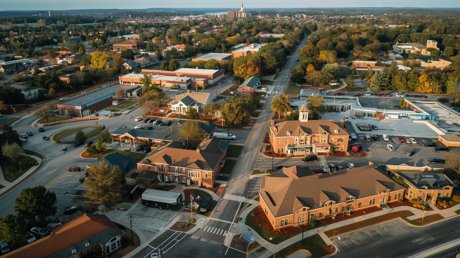
Greenville Real Estate: How the Market Has Responded

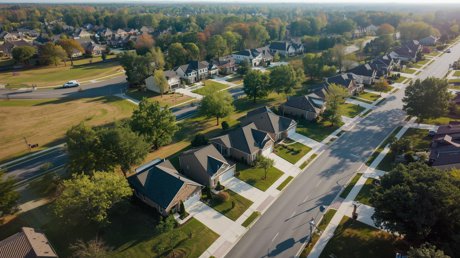
Greenville, a charming and rapidly growing city in South Carolina, has been making headlines as one of the hottest real estate markets in the country. With a strong economy, low cost of living, and plenty of cultural attractions, it's no wonder that people are flocking to this vibrant city.

Overview of the Current State of the Market

The real estate market in Greenville, South Carolina has undergone significant changes in recent years. Currently, the Greenville housing market is experiencing a seller's market, with high demand and low inventory. This means that more buyers are looking for homes than there are available properties on the market. As a result, prices have been steadily increasing over the past few years.

This strong growth can be attributed to various factors such as job opportunities and population growth in the area. With major companies like BMW and Michelin setting up operations in Greenville, there has been an influx of job seekers moving into the city. This has led to an increased demand for housing and subsequently driven up prices.

Another important factor driving up prices is low inventory levels. Despite new construction projects popping up throughout Greenville, there remains a shortage of homes on the market due to high buyer demand and limited supply.

However, this trend may soon change as more homeowners take advantage of these rising prices by putting their homes on sale – resulting in more inventory entering the market.

The current state of the Greenville real estate market is strong, with prices consistently on the rise due to high demand and limited supply. With a growing economy and an increasing population, it is expected that this trend will continue in the foreseeable future. As a result, now may be an opportune time for both buyers and sellers in Greenville's real estate market.

Economic, Demographic, and Social Changes

The real estate market in Greenville, like any other market, is constantly influenced by a variety of factors. Among these are economic, demographic, and social changes that can have a significant impact on the demand and supply of properties in the area.

Economic changes play a crucial role in shaping the real estate market. The overall health of the economy, including factors such as inflation rates and interest rates, can greatly affect the purchasing power of potential buyers. When interest rates are low, it becomes more affordable for individuals to take out loans and invest in properties. On the other hand, high-interest rates can discourage potential buyers from making big investments.

Another economic factor that affects the real estate market is job growth. As more businesses set up shop in Greenville or expand their operations, there is an increase in employment opportunities and income levels. This leads to higher demand for housing as people look to relocate or upgrade their living situations. Conversely, if there is a decline in job opportunities or weak economic growth, it can result in a slowdown of the real estate market.

Demographic changes also play a significant role in shaping the real estate landscape of Greenville. The age and composition of the population can impact housing demand trends. For instance, as millennials enter their prime home-buying years, there has been an increased demand for smaller homes close to urban areas with easy access to amenities. In contrast, baby boomers who are approaching retirement may be looking for larger homes with features such as single-floor living or accessibility features.

Social changes also have an impact on the real estate market in Greenville. Changes in lifestyle preferences and cultural shifts can influence housing demand patterns as well. For example, there has been an increasing trend towards sustainable living and eco-friendly homes among younger generations which has led to a rise in demand for energy-efficient properties.

Understanding how economic fluctuations, demographic shifts, and social trends affect the local real estate market is essential for both buyers and sellers in Greenville. Keeping an eye on these factors can help individuals make informed decisions when it comes to buying or selling properties in the area.

Impact on Home Prices and Inventory Levels

The real estate market in Greenville has been significantly impacted by various factors, such as economic trends, population growth, and housing demand. As a result, the market has experienced fluctuations in both home prices and inventory levels. 

One of the most notable impacts is the rise in home prices over the past few years. According to data from Zillow, the median home value in Greenville has increased by nearly 10% since last year. See how your home compares here with our Home Estimate Tool

This upward trend can be attributed to several reasons. There has been a surge in demand for housing due to an influx of people moving to Greenville for job opportunities and its vibrant community. This increase in demand has subsequently led to a shortage of available homes on the market, causing prices to rise.

While rising home prices may seem advantageous for sellers, it can create challenges for potential buyers looking to enter or upgrade within Greenville's real estate market. The high cost of purchasing a home may deter some buyers who cannot afford these inflated prices or could lead them to explore other nearby areas with more affordable options.

The real estate market in Greenville has responded to economic and social changes by experiencing a significant increase in home prices and a simultaneous decrease in inventory levels. These trends have created challenges for both buyers and sellers, but they also highlight the strength of Greenville's real estate market as it continues to thrive despite external factors.

Tips for Buyers and Sellers in This Market

The real estate market in Greenville has been booming, with a steady increase in property values and a high demand for homes. As a buyer or seller in this market, it's important to understand the current trends and make informed decisions to get the best deal possible. Here are some tips for both buyers and sellers to navigate this competitive market.

For Buyers:

1. Get pre-approved: With the high demand for homes in Greenville, it's essential to have your financing sorted out before you start looking at properties. This will give you an edge over other buyers who may not have their finances in order.

2. Work with a reputable agent: A knowledgeable and experienced real estate agent can be invaluable when navigating this fast-paced market. They can help you find suitable properties quickly and negotiate on your behalf to secure the best deal.

3. Be flexible with your expectations: In such a competitive market, it's unlikely that you'll find your dream home at the perfect price right away. Be prepared to compromise on certain features or locations to get into the market, especially if you're a first-time homebuyer.

4. Act quickly: When you do find a property that meets your needs, don't hesitate to make an offer immediately. Delaying could mean losing out on the property as other buyers may swoop in with their offers.

For Sellers:

1. Price competitively: While it may be tempting to list your home at a higher price due to the strong demand, it's important to price it competitively based on comparable sales in the area. Overpricing could result in your property sitting on the market for longer periods.

2. Prepare your home for showings: With so many buyers vying for properties, presentation is key! Make sure your home is clean, decluttered, and well-staged before putting it on the market.

3. Consider multiple offers: In this market, it's not uncommon for sellers to receive multiple offers on their property. Take the time to carefully consider each offer and work with your agent to negotiate the best deal.

4. Be realistic about timelines: While the market is hot, selling a home still takes time. Be patient and trust in your agent's expertise in marketing and negotiating to get you the best deal within a reasonable timeframe.

Buying or selling a home in Greenville's current real estate market can be both exciting and challenging. By following these tips, you can position yourself for success and make informed decisions that will benefit you in the long run. Remember to always do thorough research and work closely with a trusted real estate professional to navigate this dynamic market effectively.

Is Now a Good Time to Invest in Greenville Real Estate?

After analyzing the current state of the Greenville real estate market, it is safe to say that now is an opportune time to invest. While there are always potential risks and uncertainties in any investment decision, the overall trends and factors point towards a positive outlook for real estate in this area.

One of the key indicators is the steady increase in home values over the past few years. This not only demonstrates strong demand for housing in Greenville but also signals a stable economy and growing job market. The recent influx of new businesses and industries into the city has led to a surge in employment opportunities, attracting more people to move and settle down here.

Furthermore, government initiatives such as tax incentives for homebuyers and low-income housing programs have contributed to making Greenville a desirable location for both residential and commercial property investments. These policies provide added stability and support for long-term returns on investment.

Experts predict that the demand for properties in Greenville will only continue to rise as more people discover this hidden gem of a city. Its charming downtown area with its diverse culinary scene, thriving arts community, and access to outdoor activities make it an attractive place to live for people of all ages and backgrounds.

Posted in Market Updates